Act Now! Secure Your HealthCare.gov Subsidies 2026 Before December 15th
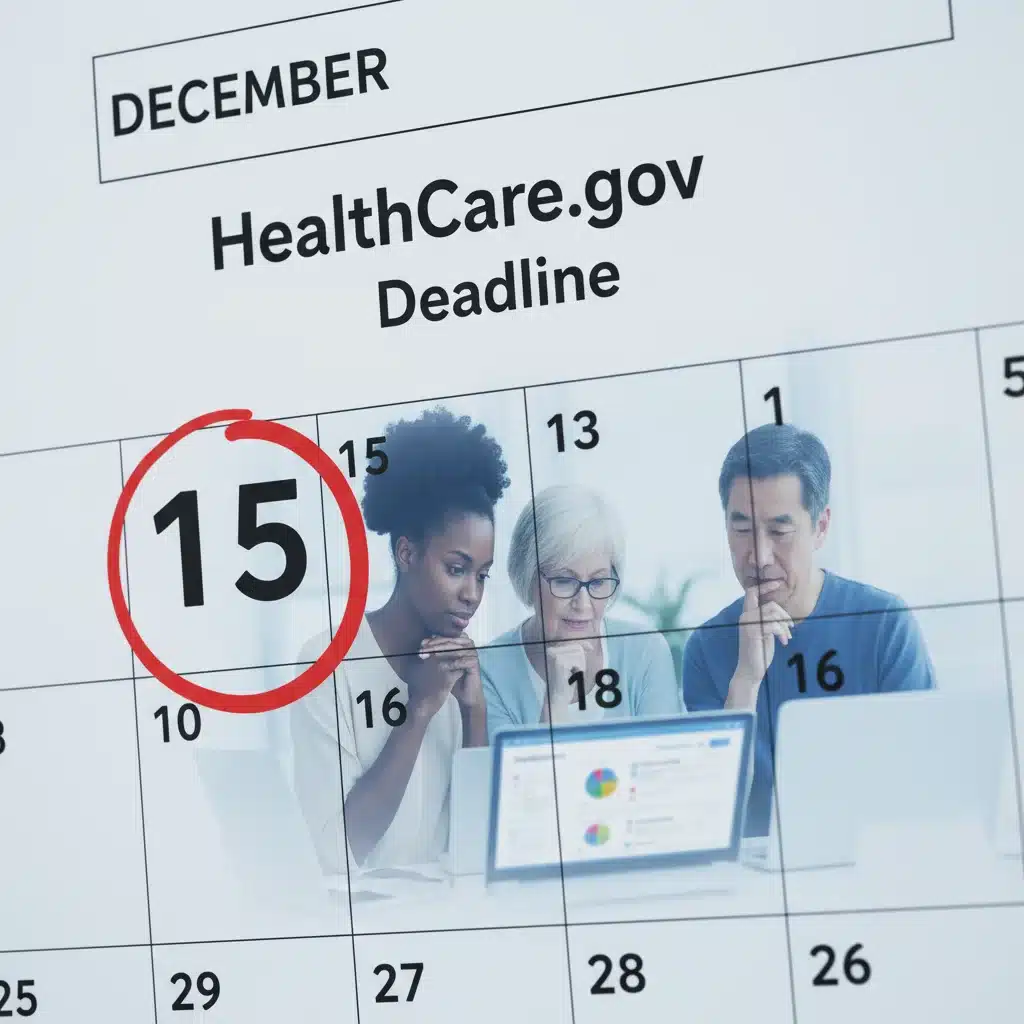
The clock is ticking! As we approach the end of the year, a critical deadline looms large for millions of Americans seeking affordable health insurance. If you rely on or are eligible for financial assistance to help pay for your health coverage, marking December 15th on your calendar is not just important—it’s essential. This date represents the last chance for many to secure HealthCare.gov subsidies for 2026, ensuring that their health insurance plans remain affordable from the very first day of the new year.
Anúncios
Missing this deadline could mean more than just a delay in coverage; it could result in higher monthly premiums, a lapse in vital health protection, or even the inability to access the significant financial aid designed to make healthcare accessible. For anyone navigating the complexities of health insurance, understanding the nuances of HealthCare.gov subsidies 2026 and the impending enrollment cutoff is paramount.
This comprehensive guide is designed to empower you with all the necessary information. We’ll delve into what HealthCare.gov subsidies are, who qualifies, how to apply, and crucially, why the December 15th deadline for HealthCare.gov subsidies 2026 is a non-negotiable date. Our goal is to simplify the process, highlight key considerations, and provide actionable steps to ensure you and your family are adequately covered without breaking the bank.
Don’t let this opportunity slip away. Read on to discover how you can navigate the Open Enrollment period effectively and secure the affordable health coverage you deserve for 2026.
Anúncios
Understanding HealthCare.gov Subsidies 2026: Your Path to Affordable Coverage
Before diving into deadlines, let’s clarify what HealthCare.gov subsidies 2026 actually are and why they are so vital. Officially known as Advanced Premium Tax Credits (APTCs), these subsidies are a form of financial assistance provided by the federal government to help eligible individuals and families lower their monthly health insurance premiums. They are a cornerstone of the Affordable Care Act (ACA), also known as Obamacare, designed to make health insurance more accessible and affordable for those who purchase plans through the Health Insurance Marketplace (HealthCare.gov).
These aren’t loans; they are tax credits that you can choose to have paid directly to your insurance company each month, reducing the amount you have to pay out of pocket for your premium. Alternatively, you can pay the full premium and claim the credit when you file your federal income taxes. Most people, however, opt for the upfront reduction, which provides immediate relief to their monthly budgets.
Who is Eligible for HealthCare.gov Subsidies 2026?
Eligibility for HealthCare.gov subsidies 2026 primarily depends on your household income and family size. Generally, you qualify if your household income falls between 100% and 400% of the federal poverty level (FPL). However, thanks to recent legislative changes, enhanced subsidies have expanded eligibility, meaning more people, including those with incomes above 400% FPL, may now qualify for assistance, especially if the cost of the benchmark plan exceeds a certain percentage of their income.
Other key eligibility criteria include:
- Not being offered affordable coverage through an employer: If your employer offers health insurance, it must meet certain affordability and minimum value standards. If it doesn’t, or if the cost of the employer-sponsored plan is considered unaffordable for your family, you might still qualify for subsidies on the Marketplace.
- Not being eligible for Medicare or Medicaid: These government programs provide coverage for specific populations. If you qualify for either, you generally won’t be eligible for Marketplace subsidies.
- Being a U.S. citizen or lawfully present immigrant: Immigration status is a factor in eligibility.
- Not being incarcerated: Incarcerated individuals are not eligible for Marketplace plans or subsidies.
It’s crucial to estimate your income accurately for 2026 when applying. Changes in income throughout the year can affect the amount of subsidy you receive, potentially leading to a tax reconciliation at the end of the year. The HealthCare.gov website provides tools and resources to help you estimate your income and understand your potential subsidy amount.
The Critical December 15th Deadline for HealthCare.gov Subsidies 2026
This is where the urgency comes into play. The December 15th deadline is not just a suggestion; it’s a hard cutoff for securing coverage that begins on January 1, 2026, with the benefit of HealthCare.gov subsidies 2026. If you miss this date, you might still be able to enroll for coverage later in the Open Enrollment period, but your coverage won’t start until February 1, 2026, or even later, depending on when you enroll. More importantly, you risk not receiving your subsidies for the initial months of the year, or even losing eligibility for certain plans.
What Happens if You Miss December 15th?
- Delayed Coverage Start: As mentioned, coverage for plans selected after December 15th will typically begin on February 1st, leaving you without coverage for January.
- Potential Loss of Subsidies for January: If you enroll after the deadline, you might have to pay the full premium for January if you want coverage to start as early as possible, or simply go without coverage for that month.
- Limited Plan Choices: While the Open Enrollment period extends beyond December 15th (usually until January 15th), acting early ensures you have the widest selection of plans to choose from. Popular or more affordable plans might fill up or become unavailable as the deadline approaches.
- Stress and Rushing: Waiting until the last minute can lead to rushed decisions, potential errors in your application, and increased stress. The HealthCare.gov website can experience high traffic closer to deadlines, potentially causing delays.
Therefore, prioritizing this deadline is not just about getting health insurance; it’s about getting the right health insurance for your needs and budget, with the full benefit of HealthCare.gov subsidies 2026 from day one.
How to Enroll and Secure Your HealthCare.gov Subsidies 2026
The enrollment process for HealthCare.gov subsidies 2026 is designed to be user-friendly, but it does require attention to detail. Here’s a step-by-step guide:
Step 1: Gather Your Information
Before you even log in, have the following information ready for everyone in your household who will be on the application:
- Social Security Numbers (SSNs) or document numbers for immigrants
- Employer and income information (pay stubs, W-2s, tax returns) for all household members
- Information about any job-based health coverage you or anyone in your household is offered
- Current health insurance policy numbers (if applicable)
Step 2: Create or Log In to Your HealthCare.gov Account
Visit HealthCare.gov. If you’re a new user, you’ll need to create an account. If you’ve enrolled before, simply log in to your existing account. It’s always a good idea to check your login credentials well in advance of the deadline.
Step 3: Complete the Application
The application will ask for details about your household, income, and current health status. Be as accurate as possible, as this information is used to determine your eligibility for HealthCare.gov subsidies 2026 and Medicaid.
Key Tip: Income Estimation is Crucial! Your estimated income for 2026 is the most significant factor in determining your subsidy amount. If your income changes during the year, update your application immediately to avoid issues at tax time.

Step 4: Compare Plans and Select Your Coverage
Once your application is complete, HealthCare.gov will show you all the plans available in your area and the estimated HealthCare.gov subsidies 2026 you qualify for. You can compare plans based on:
- Monthly Premiums: The amount you pay each month for coverage, after subsidies.
- Deductibles: How much you have to pay out-of-pocket before your insurance starts to pay.
- Copayments & Coinsurance: Your share of the cost for services after your deductible is met.
- Out-of-Pocket Maximum: The most you’ll have to pay for covered services in a year.
- Provider Networks: Ensure your preferred doctors and hospitals are in-network.
- Prescription Drug Coverage: Check if your medications are covered and at what cost.
Take your time to understand the differences between Bronze, Silver, Gold, and Platinum plans. Silver plans are often a good choice for those receiving subsidies, as they may also qualify for additional savings called Cost-Sharing Reductions (CSRs), which lower deductibles, copayments, and out-of-pocket maximums.
Step 5: Enroll and Confirm
After selecting your plan, you’ll proceed to enrollment. Follow all the steps to finalize your selection. You should receive a confirmation email from HealthCare.gov and your chosen insurance company. Keep these documents for your records.
Maximizing Your Savings: Beyond HealthCare.gov Subsidies 2026
While HealthCare.gov subsidies 2026 are a fantastic help, there are other ways to ensure you’re getting the most value from your health insurance:
Cost-Sharing Reductions (CSRs)
As mentioned, if your income is below 250% of the FPL, you may qualify for CSRs in addition to premium tax credits. CSRs reduce the amount you have to pay for deductibles, copayments, and coinsurance. Critically, CSRs are only available if you enroll in a Silver plan. This makes Silver plans particularly attractive for lower-income individuals and families, as they offer more robust coverage at a reduced out-of-pocket cost.
Understanding Your Health Needs
Don’t just pick the cheapest plan. Consider your typical healthcare usage. Do you visit the doctor frequently? Do you take expensive prescription medications? A plan with a higher premium but lower deductible and copayments might save you money in the long run if you anticipate significant healthcare needs. Conversely, if you’re generally healthy, a higher-deductible plan with a lower premium might be more suitable, especially if you have an emergency fund to cover the deductible.
Utilize Free Assistance
Navigating the Marketplace can be complex. Fortunately, free assistance is available. You can find local navigators, assisters, and agents who are certified to help you understand your options, compare plans, and complete your application. These individuals can be invaluable resources, especially if you have unique circumstances or find the process overwhelming. They can clarify confusing terms and ensure you’re making the best choices for your HealthCare.gov subsidies 2026 and overall health plan.

Common Pitfalls to Avoid When Enrolling for HealthCare.gov Subsidies 2026
Even with all the information, some common mistakes can derail your enrollment or impact your subsidies. Be vigilant about these issues:
Inaccurate Income Estimates
This is arguably the biggest pitfall. If your estimated income for 2026 is significantly different from your actual income, you could face consequences. If you estimate too low, you might receive too much in subsidies and have to pay some back at tax time. If you estimate too high, you might miss out on subsidies you’re eligible for. Update your information on HealthCare.gov if your income changes during the year.
Missing the December 15th Deadline
We can’t stress this enough. Missing this deadline means a delay in coverage, and potentially a gap in your financial assistance. Even if you enroll by January 15th, your coverage won’t start until February 1st, leaving you vulnerable for an entire month.
Not Comparing Plans Annually
Even if you’re happy with your current plan, always compare options during Open Enrollment. Plans change, premiums shift, and your needs might evolve. A plan that was perfect last year might not be the best value or fit for your HealthCare.gov subsidies 2026 this year. New plans might also enter the market that offer better benefits or lower costs.
Ignoring Employer-Sponsored Coverage
If you or a family member has access to job-based health coverage, you generally won’t qualify for HealthCare.gov subsidies 2026 unless that employer coverage is deemed unaffordable or doesn’t meet minimum value standards. It’s crucial to understand these rules to avoid issues.
Not Understanding the Fine Print
Deductibles, copays, coinsurance, out-of-pocket maximums, and network restrictions are all critical. A low premium might hide high out-of-pocket costs, while a higher premium could offer better protection against unexpected medical bills. Read the Summary of Benefits and Coverage (SBC) for any plan you’re considering.
Special Enrollment Periods (SEPs): What If You Miss Open Enrollment?
While the focus is on the December 15th deadline for HealthCare.gov subsidies 2026, it’s worth noting that certain life events can qualify you for a Special Enrollment Period (SEP) outside of Open Enrollment. These events include:
- Marriage or divorce
- Birth or adoption of a child
- Losing other health coverage (e.g., job loss, aging off a parent’s plan)
- Moving to a new area
- Changes in income that affect eligibility for subsidies
If you experience any of these qualifying life events, you typically have 60 days from the event to enroll in a new plan or change your existing one. However, relying on an SEP is not a substitute for enrolling during Open Enrollment, especially if you want to ensure continuous coverage and access to HealthCare.gov subsidies 2026 from January 1st.
The Future of HealthCare.gov Subsidies and the ACA
The landscape of health insurance under the ACA has seen various changes over the years, with recent legislative actions enhancing the HealthCare.gov subsidies 2026 available to millions. These enhanced subsidies have made coverage significantly more affordable for a wider range of income levels. While specific policies can always be subject to political debate and future legislation, the current framework aims to provide stable and accessible health coverage.
Staying informed about these developments is important, but for now, the most critical action is to utilize the existing framework and secure your subsidies during the Open Enrollment period. The December 15th deadline is a concrete date that impacts your immediate access to affordable care.
Final Call to Action: Don’t Delay, Enroll Today!
The message is clear: the December 15th deadline for securing your HealthCare.gov subsidies 2026 is rapidly approaching. This isn’t just about avoiding a penalty; it’s about safeguarding your health, your family’s well-being, and your financial stability. Affordable health insurance is a cornerstone of a secure future, and the subsidies offered through HealthCare.gov are designed to make that future a reality for millions.
Take the time now to review your options, update your information, and select a plan that best fits your needs and budget. Utilize the free resources available, whether it’s the HealthCare.gov call center, online tools, or local navigators. Don’t let procrastination or confusion lead to a lapse in coverage or missed savings.
By acting before December 15th, you are not just enrolling in a health plan; you are making a proactive decision for your health and financial peace of mind in 2026. Visit HealthCare.gov today and take control of your healthcare future.