Nutrition assistance programs for seniors: a guide

Anúncios
Nutrition assistance programs for seniors provide essential support, improving access to healthy meals, fostering social connections, and enhancing overall well-being among older adults.
Nutrition assistance programs for seniors play a crucial role in supporting older adults’ health. But have you ever wondered how these programs can truly improve the quality of life for our seniors? Let’s dive into the details that can help you or someone you care about.
Anúncios
Understanding nutrition assistance programs
Understanding nutrition assistance programs is essential for seniors looking for support. These programs aim to enhance food security and improve the overall health of older adults across the country.
Many people may not realize that there are numerous types of assistance available. They range from food stamps to community meal programs. These programs can significantly ease financial burdens and allow seniors to access nutritious food. But how exactly do these assistance programs work?
Anúncios
Types of nutrition assistance programs
There are several key programs designed to assist seniors:
- Supplemental Nutrition Assistance Program (SNAP): Offers monthly benefits for purchasing food.
- Senior Farmers’ Market Nutrition Program (SFMNP): Provides vouchers to buy fresh produce at local markets.
- Meals on Wheels: Delivers hot meals directly to seniors’ homes.
Each program has its own criteria, but they all strive to support seniors in making healthier food choices. By participating, seniors can improve their nutritional intake.
Many seniors face barriers that prevent them from accessing these vital programs. Awareness and outreach are crucial in bridging this gap. Community organizations often play a significant role in connecting seniors with available resources.
Additionally, the benefits of these programs go beyond providing food. They promote social interaction and physical health, encouraging seniors to engage more with their communities.
Barriers to accessing programs
Despite the many advantages, seniors may encounter challenges:
- Eligibility confusion: Some seniors might not know if they qualify.
- Transportation issues: Getting to food distribution points can be difficult.
- Stigma: Some may feel embarrassed to seek help.
Understanding these factors is critical for improving access. By recognizing and addressing these barriers, communities can work together to ensure that no senior goes hungry.
Eligibility requirements for seniors
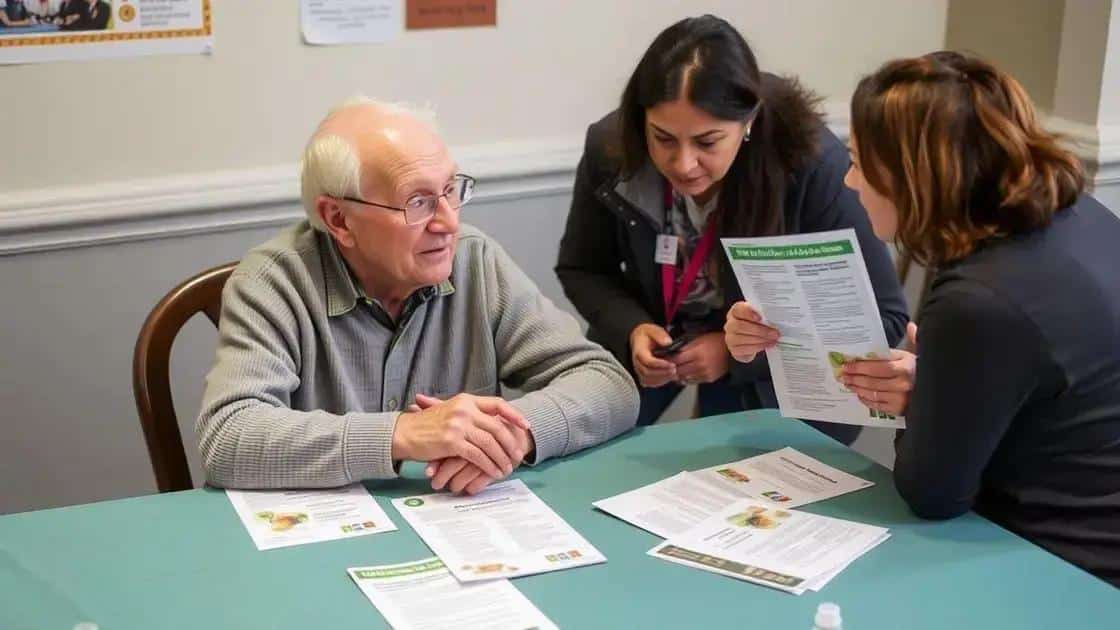
Eligibility requirements for seniors to access nutrition assistance programs can vary based on the specific program. Understanding these requirements is crucial for seniors seeking help. Generally, programs focus on age, income level, and household size.
Most programs require applicants to be at least 60 years old to qualify. This age limit ensures that assistance is directed towards those who need it the most. Furthermore, income levels are often considered to determine eligibility.
Common requirements to consider
Here are some common eligibility criteria:
- Age: Applicants must be 60 years or older.
- Income limits: Most programs have income limits based on family size.
- Residency: Applicants typically need to be residents of the state where they are applying.
Beyond these general requirements, some programs may also require documentation, like proof of income or residency. These documents help ensure that the assistance goes to those who genuinely need it.
It’s also essential to highlight that navigating these requirements can be complicated for seniors. Many may benefit from having someone assist them in the application process. Community organizations often provide resources and guidance to help simplify this.
Being well-informed about the eligibility requirements can make a significant difference. Seniors should not hesitate to reach out for help to understand their options and ensure they access the benefits available to them.
How to apply for assistance
How to apply for assistance can seem daunting, but it’s actually a straightforward process. Knowing the steps involved can make it much easier for seniors to access the help they need.
The first step is often gathering necessary documents. This typically includes proof of identity, income, and residency. Having these documents ready can streamline the application process.
Steps to apply for assistance
Here are key steps for seniors to follow:
- Research programs: Identify which nutrition assistance programs you qualify for.
- Gather documents: Collect necessary paperwork, such as identification and income statements.
- Complete the application: Fill out the required forms, either online or in person.
- Submit your application: Turn in your application to the appropriate office or online portal.
After submitting an application, seniors may need to participate in an interview to verify their information. This step is critical, as it helps organizations assess eligibility accurately.
Additionally, it’s essential to follow up after submitting the application. Sometimes applications can get lost or delayed, so checking on the status can ensure that no time is wasted in obtaining assistance.
Seniors should also take advantage of resources available in their community. Many organizations offer assistance with filling out forms and navigating the application process. Support from family members or friends can also be invaluable during this time.
Benefits of participating in these programs
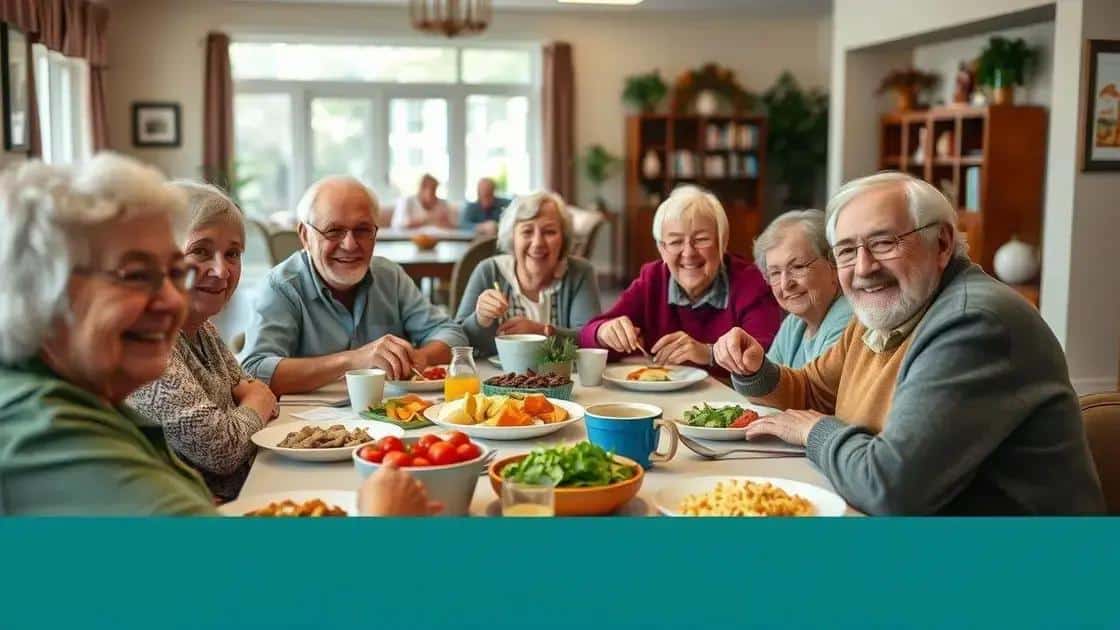
Benefits of participating in these programs are numerous and impactful for seniors. Engaging in nutrition assistance programs can lead to improved health and well-being.
One of the primary benefits is increased access to nutritious food. Seniors who participate often receive meals that meet their dietary needs, promoting better physical health. This access can help reduce malnutrition and associated health issues.
Physical health improvements
Some specific benefits include:
- Enhanced nutritional intake: Participants often consume more fruits and vegetables, leading to a balanced diet.
- Reduced healthcare costs: By maintaining better health, seniors may experience fewer medical emergencies and lower overall healthcare expenses.
- Supported weight management: Nutrition programs often provide guidance on healthy eating, aiding in weight control.
In addition to physical health benefits, these programs offer social advantages. For many seniors, engaging with peers during meal distribution or group activities fosters a sense of community and reduces isolation.
Moreover, participation in these programs can boost mental well-being. Having regular access to food can alleviate stress and anxiety related to food security. When seniors know they have support, they often feel more empowered and involved in their communities.
Community engagement
Beyond individual benefits, nutrition assistance programs strengthen communities. They bring people together and promote awareness of local resources. Seniors often become advocates for these programs, encouraging others to participate.
Ultimately, the benefits of involvement in nutrition assistance programs extend well beyond just food. They contribute to healthier lifestyles, stronger social ties, and improved overall quality of life for seniors.
FAQ – Frequently Asked Questions about Nutrition Assistance Programs for Seniors
What are nutrition assistance programs?
Nutrition assistance programs provide resources and support to help seniors access healthy meals and improve their overall nutrition.
Who is eligible to participate in these programs?
Typically, seniors aged 60 and older with specific income limits and residency requirements can qualify for nutrition assistance programs.
How can seniors apply for assistance?
Seniors can apply by gathering necessary documents, researching available programs, completing applications online or in person, and submitting them.
What benefits do seniors gain from participating in these programs?
Participation can lead to improved health, reduced stress related to food security, social connections, and enhanced overall quality of life.