Maximize SNAP Benefits 2026: Stretch Your Food Budget with Key Strategies
In an ever-evolving economic landscape, understanding how to effectively maximize SNAP benefits is more crucial than ever. For millions of Americans, the Supplemental Nutrition Assistance Program (SNAP) serves as a vital lifeline, ensuring access to nutritious food. However, simply receiving your monthly allocation isn’t enough; true financial empowerment comes from knowing how to stretch those dollars further. This comprehensive guide will delve into advanced, often lesser-known strategies to help you maximize SNAP benefits in 2026, transforming your food budget and enhancing your overall well-being.
Anúncios
The year 2026 brings with it potential adjustments to program rules and economic conditions, making it imperative to stay informed and proactive. Our goal is to equip you with the knowledge to navigate these changes, uncover hidden opportunities, and make every SNAP dollar count. From optimizing your grocery shopping habits to leveraging complementary programs, we’ll cover everything you need to know to truly maximize SNAP benefits and secure your family’s nutritional future.
Understanding the Core: What Are SNAP Benefits and Why Maximize Them?
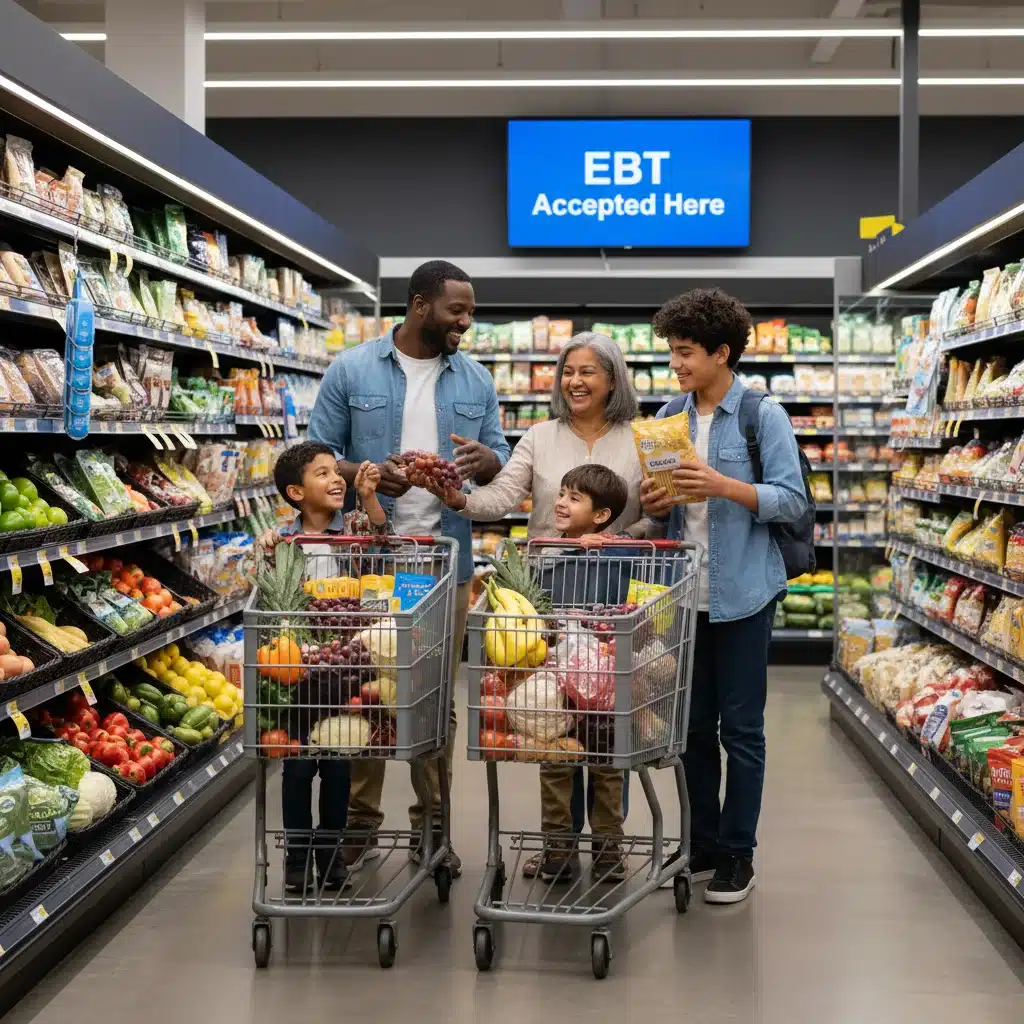
Before we dive into advanced strategies, let’s briefly recap what SNAP benefits entail. SNAP, formerly known as food stamps, provides eligible low-income individuals and families with financial assistance to purchase groceries. Benefits are loaded onto an Electronic Benefits Transfer (EBT) card, which functions much like a debit card at authorized retailers. The primary objective is to combat food insecurity and ensure that everyone has access to a healthy diet.
Anúncios
Why is it so important to maximize SNAP benefits? Beyond simply covering basic food needs, maximizing your benefits means you can afford more nutritious options, reduce reliance on less healthy alternatives, and free up other financial resources for different household necessities. It’s about optimizing your purchasing power and making smart choices that positively impact your health and budget. In 2026, with potential inflationary pressures and shifts in food prices, every strategy to maximize SNAP benefits becomes a critical tool in your financial toolkit.
Many recipients use their benefits without fully exploring all the avenues available to them. This article aims to shine a light on those less-traveled paths, ensuring you’re not leaving any potential savings or resources on the table. By understanding the nuances of the program and its various extensions, you can significantly enhance your ability to maximize SNAP benefits and improve your family’s quality of life.
Strategy 1: Leveraging Farmers Markets and Produce Incentive Programs
One of the most effective, yet often underutilized, ways to maximize SNAP benefits is by shopping at farmers markets. While many people associate SNAP with traditional grocery stores, a growing number of farmers markets across the country accept EBT cards. But the real game-changer lies in produce incentive programs, often known as ‘double up food bucks’ or similar initiatives.
How Produce Incentive Programs Work
These programs typically match a portion of your SNAP spending at participating farmers markets. For example, if you spend $10 of your SNAP benefits on eligible produce, the market might give you an additional $10 voucher or token specifically for fruits and vegetables. This effectively doubles your purchasing power for fresh, local produce, allowing you to maximize SNAP benefits dramatically.
- Find Participating Markets: Check your local USDA SNAP-Ed office or farmers market associations for a list of markets that accept EBT and offer incentive programs. Websites like FNS.USDA.gov often provide resources.
- Understand the Match: Each program has its own rules regarding the maximum match amount and what can be purchased with the incentive dollars. Always ask at the market’s information booth.
- Benefits Beyond Savings: Beyond stretching your budget, buying from farmers markets supports local agriculture, provides access to fresher, often organic, produce, and can introduce you to a wider variety of foods. This is a powerful way to maximize SNAP benefits while also supporting your community and health.
Embracing farmers markets is a proactive step towards healthier eating and smarter budgeting. It’s a strategy that not only helps you maximize SNAP benefits but also connects you with your food source and strengthens local economies. Don’t overlook this vibrant option when planning your grocery trips for 2026.
Strategy 2: Mastering Meal Planning and Inventory Management for Optimal Savings
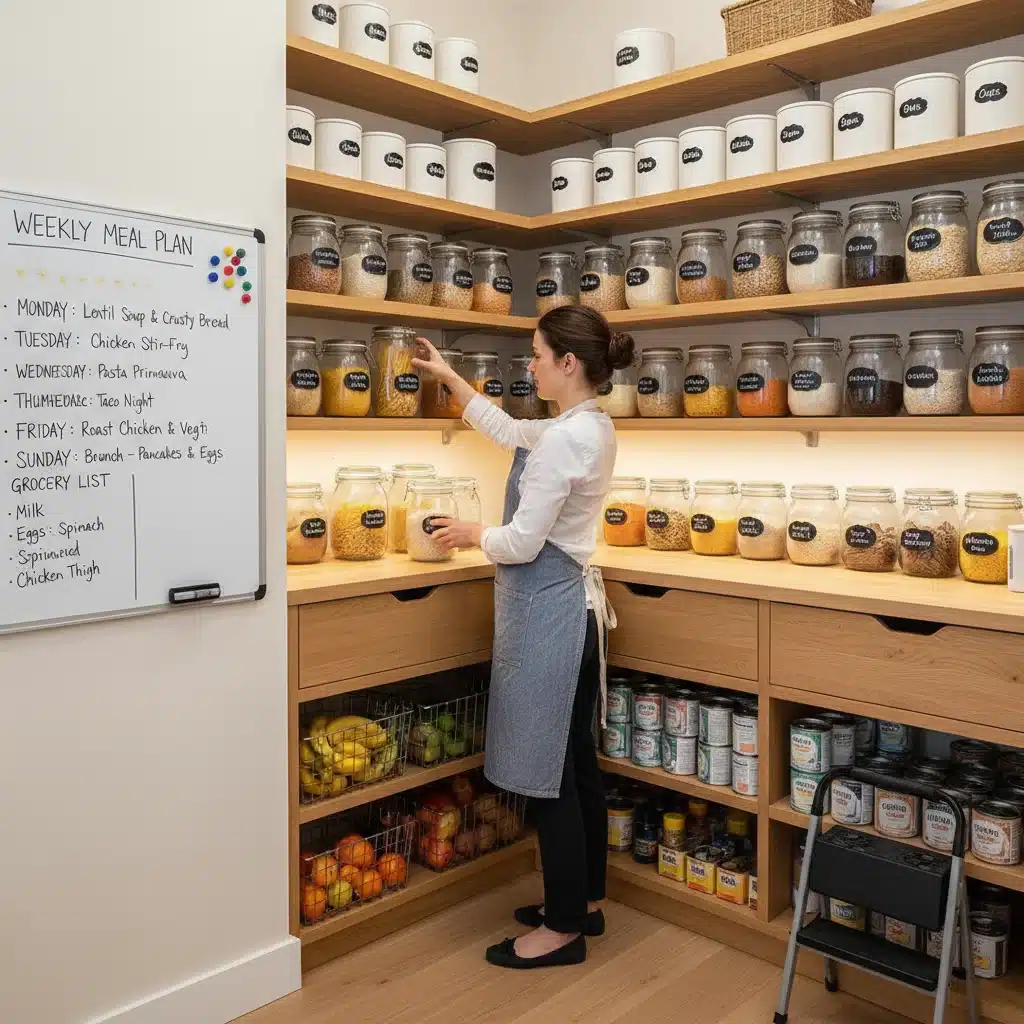
Effective meal planning and meticulous inventory management are foundational to successful budgeting, and they are absolutely critical if you want to maximize SNAP benefits. Without a clear plan, it’s easy to overspend, waste food, and make impulse purchases that erode your budget.
The Power of a Weekly Meal Plan
Start by planning your meals for the entire week. This involves:
- Checking Sales Flyers: Align your meal plan with items that are on sale at your preferred grocery stores. This is a prime opportunity to maximize SNAP benefits by purchasing ingredients at their lowest prices.
- Building Around Staples: Focus on versatile, inexpensive staples like rice, pasta, beans, and seasonal vegetables.
- Utilizing Leftovers: Plan for meals that can be repurposed into leftovers for lunches or another dinner, reducing cooking time and food waste.
- Considering Nutritional Needs: Ensure your plan includes a balance of proteins, carbohydrates, and fresh produce to meet your family’s dietary requirements.
A well-thought-out meal plan reduces the stress of daily cooking decisions and, more importantly, prevents unnecessary trips to the store where impulse buys often occur. This deliberate approach is key to helping you maximize SNAP benefits consistently.
Inventory Management: Knowing What You Have
Before you even begin your meal plan, take stock of what you already have in your pantry, refrigerator, and freezer. This step is often overlooked but is incredibly powerful for helping you maximize SNAP benefits.
- Create an Inventory List: Keep a running list of all your food items, especially perishables and items nearing their expiration date.
- First-In, First-Out (FIFO): Practice the FIFO method: use older items before newer ones to prevent spoilage and waste.
- Organize Your Storage: A well-organized pantry and fridge make it easier to see what you have, preventing duplicate purchases. Clear containers, labels, and designated shelves can make a huge difference.
- Batch Cooking and Freezing: Cook larger quantities of certain ingredients (like grains or cooked beans) or entire meals and freeze portions. This saves time and ensures you have healthy options readily available, preventing costly takeout decisions.
By combining rigorous meal planning with smart inventory management, you create a seamless system that minimizes waste and ensures every SNAP dollar is spent on essential, planned purchases. This strategic approach is fundamental to truly maximize SNAP benefits and maintain a healthy, affordable diet throughout the month.
Strategy 3: Tapping into Community Resources and Food Banks
While SNAP benefits are a primary source of food assistance, they are often designed to be a supplement, not a complete solution. To truly maximize SNAP benefits and ensure your family’s needs are fully met, it’s essential to integrate community resources and food banks into your food security strategy.
Beyond SNAP: Complementary Food Programs
Many communities offer additional programs that can work in conjunction with your SNAP benefits:
- Food Banks and Pantries: These organizations provide free groceries, often including fresh produce, proteins, and pantry staples, which can significantly extend your food budget. Many food banks now have mobile pantries, making access even easier. Find local resources through Feeding America or your local county social services.
- WIC (Women, Infants, and Children): If you are pregnant, a new mother, or have children under five, WIC provides specific nutritious foods (like milk, eggs, cheese, formula, and fresh produce) and nutrition education. WIC benefits are separate from SNAP and can greatly help to maximize SNAP benefits by covering essential items for vulnerable populations.
- School Meal Programs: Ensure your children are enrolled in free or reduced-price school breakfast and lunch programs. During summer months, look for summer meal programs offered by schools or community centers.
- Senior Meal Programs: Many communities offer meal delivery or congregate dining sites for seniors, providing nutritious meals and social interaction.
These programs are designed to fill gaps and provide additional support, making them invaluable tools to maximize SNAP benefits and ensure comprehensive food security for your household. Don’t hesitate to reach out and explore what’s available in your area.
Community Gardens and Gleaning Initiatives
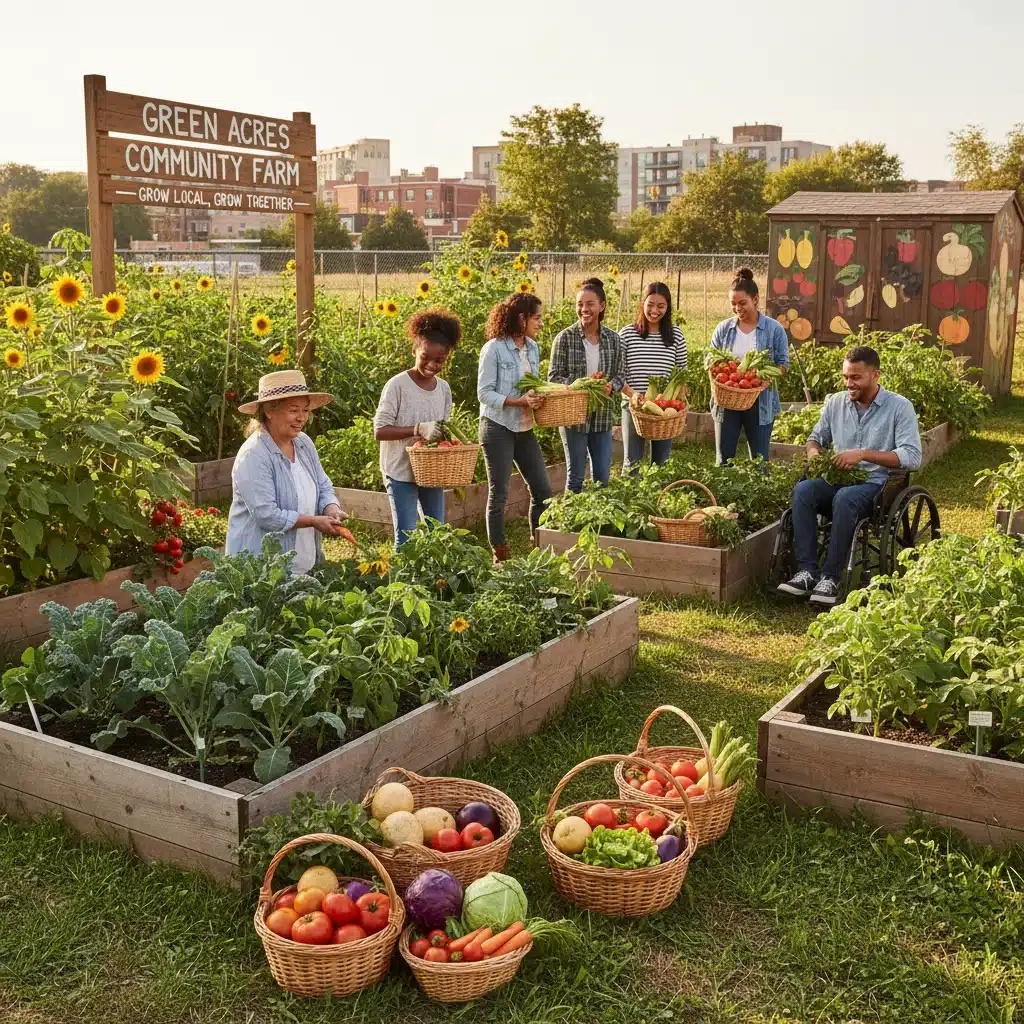
For those with a bit more time and interest, community gardens and gleaning programs offer unique opportunities to access fresh food and even learn new skills. This can be an excellent way to further maximize SNAP benefits by supplementing your purchases with free, fresh produce.
- Community Gardens: Many neighborhoods have community gardens where residents can rent a plot for a small fee or volunteer their time in exchange for a share of the harvest. This provides access to fresh, often organic, vegetables and fruits.
- Gleaning Programs: These initiatives organize volunteers to collect surplus produce from farms or orchards that would otherwise go to waste. The harvested food is then distributed to food banks or directly to community members. Check with local agricultural extension offices or food recovery organizations.
Engaging with these community-based food systems not only provides fresh food but also fosters a sense of community and self-sufficiency. It’s an innovative approach to truly maximize SNAP benefits by diversifying your food sources beyond traditional retail options.
Additional Tips to Maximize SNAP Benefits in 2026
Beyond the three core strategies, several other practices can help you maximize SNAP benefits effectively:
Understanding Your EBT Card’s Full Potential
- Check Your Balance Regularly: Always know how much you have left. Many states offer online portals or phone lines to check your EBT balance.
- No Cash Back: Remember, EBT cards are for food purchases only; you cannot get cash back from your SNAP benefits.
- Report Lost/Stolen Cards Immediately: Protect your benefits by reporting any loss or theft to your state’s EBT customer service line as soon as possible.
Smart Shopping Habits
- Shop Unit Prices: Always compare unit prices (price per ounce, per pound, etc.) to identify the best value, especially for pantry staples. Buying in bulk can often help you maximize SNAP benefits, but only if you can use the items before they spoil.
- Utilize Store Loyalty Programs and Coupons: Sign up for loyalty cards and look for digital coupons. While SNAP cannot pay for non-food items, coupons for eligible food items can further reduce your out-of-pocket expenses or allow you to buy more with your benefits.
- Buy Generic or Store Brands: Often, store brands are just as good as national brands but significantly cheaper. This is a simple yet effective way to maximize SNAP benefits.
- Shop Seasonally: Produce is generally cheaper and fresher when it’s in season. Plan your meals around seasonal fruits and vegetables.
Cooking and Food Preservation
- Cook from Scratch: Processed foods are often more expensive and less nutritious. Cooking meals from scratch using basic ingredients is a powerful way to maximize SNAP benefits and improve your family’s health.
- Learn Basic Food Preservation: Freezing, canning, or drying surplus produce can extend its shelf life and prevent waste. If you get a great deal on in-season vegetables, preserving them means you can enjoy them year-round.
- Minimize Food Waste: Be mindful of expiration dates, properly store food, and use leftovers creatively. Food waste is budget waste.
Stay Informed About Policy Changes
SNAP policies and benefit levels can change. Stay updated by:
- Following Your State’s SNAP Agency: Check their website regularly for news and updates.
- Subscribing to Newsletters: Many advocacy groups and state agencies offer newsletters with important program information.
- Consulting Local Resources: Community organizations often have the most current information regarding local programs and policy changes.
Being proactive about information ensures you’re always in the best position to maximize SNAP benefits and adapt to any new regulations or opportunities.
Conclusion: Empowering Your Food Budget in 2026
Maximizing your SNAP benefits in 2026 is about more than just receiving an EBT card; it’s about strategic planning, smart shopping, and leveraging every available resource. By adopting the strategies outlined in this guide – from harnessing the power of farmers markets and produce incentive programs to mastering meal planning and tapping into vital community support – you can significantly stretch your food budget and enhance your family’s nutritional well-being.
Remember, every dollar saved on groceries means more resources available for other critical household needs. The journey to effectively maximize SNAP benefits is an ongoing one, requiring diligence and a willingness to explore new avenues. By implementing these tips and staying informed, you can transform your approach to food assistance, ensuring a more secure and healthier future for yourself and your loved ones. Take control of your food budget today and unlock the full potential of your SNAP benefits.