Energy Assistance Programs 2026: Secure Up to $1,000 for Heating & Cooling

Anúncios
Energy Assistance Programs 2026: Secure Up To $1,000 for Heating & Cooling
As the chill of winter approaches and the sweltering heat of summer becomes a distant, yet inevitable, memory, many households across the United States begin to worry about the escalating costs of keeping their homes warm or cool. The burden of utility bills can be immense, especially for low-income families, seniors, and individuals with disabilities. Fortunately, the federal government, in conjunction with state and local agencies, offers vital support through various initiatives, most notably the Low Income Home Energy Assistance Program (LIHEAP). For 2026, these LIHEAP Energy Assistance programs continue to be a crucial lifeline, potentially offering up to $1,000 to help eligible households manage their heating and cooling expenses.
Anúncios
Understanding how these programs work, who qualifies, and how to apply can make a significant difference in your household budget and overall well-being. This comprehensive guide will delve into the intricacies of LIHEAP Energy Assistance for 2026, providing you with the knowledge and steps needed to secure the aid you deserve. We’ll explore not only LIHEAP but also other complementary programs, offering a holistic view of the resources available to ensure your home remains a sanctuary, regardless of the season.
What is LIHEAP and How Does it Help with Energy Costs?
The Low Income Home Energy Assistance Program (LIHEAP) is a federally funded program designed to assist low-income households with their home energy bills, providing a critical buffer against the financial strain of heating and cooling costs. Established to prevent energy crises, LIHEAP offers various types of assistance:
Anúncios
- Heating Assistance: Helps cover the cost of heating your home during cold months.
- Cooling Assistance: Provides aid for air conditioning and other cooling methods during hot months.
- Energy Crisis Assistance: Offers immediate help to households facing a shut-off notice or a lack of fuel.
- Weatherization and Energy-Related Home Repairs: In some cases, LIHEAP funds can be used for minor home repairs that make your home more energy-efficient, such as insulation or furnace repairs, reducing future energy consumption.
The primary goal of LIHEAP Energy Assistance is to reduce the burden of energy costs on vulnerable populations, ensuring that families don’t have to choose between paying for heat or other essential needs like food and medicine. The program is administered by states, territories, and tribal organizations, which means the specific eligibility criteria, application process, and benefit amounts can vary significantly from one location to another. However, the overarching mission remains consistent: to provide crucial financial relief for energy expenses.
For 2026, while the exact funding levels are subject to congressional appropriations, the program is expected to continue its vital role, adapting to evolving energy needs and economic conditions. The potential for up to $1,000 in assistance is a significant amount that can alleviate much of the stress associated with high utility bills, making a tangible difference in the lives of millions of Americans.
Who is Eligible for LIHEAP Energy Assistance in 2026?
Eligibility for LIHEAP Energy Assistance is primarily based on income, household size, and energy burden. While specific criteria can differ by state, here are the general guidelines:
Income Requirements
Typically, households must have an income at or below 150% of the federal poverty level or 60% of the state’s median income, whichever is greater. Some states may set their limits higher, up to 200% of the federal poverty level, to encompass more families in need. It’s important to note that these income thresholds are updated annually, so what qualified in previous years might change for 2026. For example, a household of four might have a different income limit than a single individual. It’s always best to check the specific guidelines for your state or territory.
Household Composition
LIHEAP often prioritizes households with the highest energy burden, meaning those that spend a significant portion of their income on energy costs. Additionally, certain groups are often given priority due to their increased vulnerability:
- Households with young children: Especially those under the age of six.
- Seniors: Individuals aged 60 or older.
- Individuals with disabilities: Those receiving disability benefits or with documented disabilities.
Other Factors
Beyond income and household composition, other factors might be considered, such as:
- Residency: Applicants must be legal residents of the state or territory where they are applying.
- Citizenship/Immigration Status: While LIHEAP is federally funded, specific requirements regarding citizenship or eligible immigration status may apply, though many programs are designed to assist all residents in need.
- Energy Burden: The proportion of household income spent on energy costs. Households with a higher energy burden are often prioritized.
It’s crucial to remember that each state and sometimes even local agencies have their own specific application periods and requirements. Therefore, proactive research and contacting your local LIHEAP office are key steps to determine your eligibility for LIHEAP Energy Assistance in 2026.
How to Apply for LIHEAP Energy Assistance in 2026: A Step-by-Step Guide
Applying for LIHEAP Energy Assistance can seem daunting, but by following a structured approach, you can navigate the process efficiently. Here’s a general step-by-step guide:
Step 1: Find Your Local LIHEAP Office
The first and most critical step is to locate the agency that administers LIHEAP in your area. This is typically a state or local social services agency, community action agency, or a dedicated energy assistance office. You can usually find this information by:
- Visiting the official LIHEAP website (acf.hhs.gov/ocs/low-income-home-energy-assistance-program-liheap).
- Calling the National Energy Assistance Referral (NEAR) hotline at 1-866-674-6327.
- Searching online for "LIHEAP [Your State/City]" or "energy assistance [Your State/City]."
Once you’ve identified your local office, inquire about their specific application periods for 2026, as these can vary. Some states have open enrollment periods, while others have specific windows for heating and cooling assistance.
Step 2: Gather Required Documentation
To ensure a smooth application process, have all necessary documents ready. While the exact list may vary, common requirements include:
- Proof of Income: This could be pay stubs, Social Security benefit letters, unemployment statements, disability income, or tax returns for all household members.
- Proof of Residency: A utility bill, lease agreement, or driver’s license with your current address.
- Utility Bills: Copies of your most recent heating and cooling bills, especially if you have a shut-off notice.
- Household Member Information: Names, dates of birth, and Social Security numbers for everyone living in your home.
- Identification: Photo ID for the primary applicant.
- Proof of Disability (if applicable): Documentation from a doctor or government agency.
It’s advisable to make copies of all documents and keep the originals safe. Having everything organized will expedite your application.
Step 3: Complete the Application Form
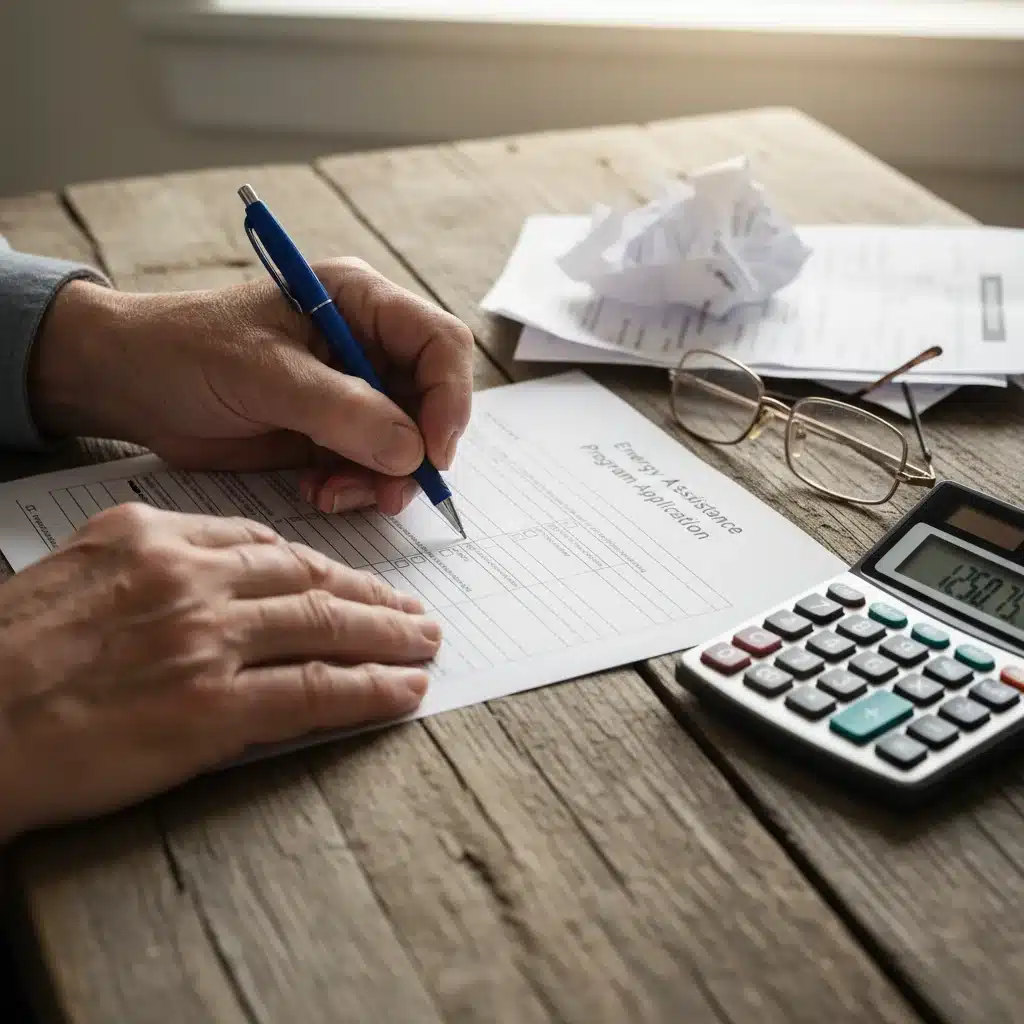
You can usually obtain an application form online from your local agency’s website or by visiting their office in person. Fill out the form completely and accurately. Incomplete applications are a common reason for delays or rejections. If you have questions, don’t hesitate to ask for assistance from the agency staff.
Step 4: Submit Your Application
Submit your completed application and all supporting documents according to the agency’s instructions. This might be online, by mail, or in person. Be sure to meet any deadlines for submission. Keep a record of when and how you submitted your application, along with any confirmation numbers.
Step 5: Follow Up
After submitting your application, it’s a good idea to follow up with the agency to confirm receipt and inquire about the processing timeline. Processing times can vary, especially during peak application periods. If additional information is required, respond promptly to avoid further delays.
By diligently following these steps, you significantly increase your chances of successfully receiving LIHEAP Energy Assistance for 2026. Remember, patience and persistence are key, and help is available if you need it.
Beyond LIHEAP: Other Energy Assistance Programs and Resources
While LIHEAP is a cornerstone of energy assistance, it’s not the only program available. Many states and utility companies offer their own initiatives to help households manage energy costs. Exploring these options can provide additional relief or serve as alternatives if you don’t qualify for LIHEAP.
State-Specific Energy Assistance Programs
Many states operate their own energy assistance programs, often complementing or expanding upon federal LIHEAP guidelines. These programs might have different income thresholds, offer varied types of assistance, or focus on specific demographics. Examples include:
- Emergency Assistance: Programs designed for immediate crisis situations, such as a furnace breakdown or imminent utility shut-off.
- Weatherization Programs: State-funded initiatives that provide free or low-cost home energy efficiency improvements to reduce long-term energy consumption.
- Utility Discount Programs: Some states mandate or encourage utility companies to offer discounted rates for low-income customers.
To find out about state-specific programs, visit your state’s official government website (e.g., Department of Social Services, Public Utilities Commission) or contact your local community action agency.
Utility Company Assistance Programs
Most utility companies, recognizing the financial challenges their customers face, offer their own assistance programs. These can include:
- Payment Plans: Allowing customers to pay off past-due balances over time.
- Budget Billing: Averaging your annual energy costs into consistent monthly payments to avoid seasonal spikes.
- Hardship Funds: Many utility companies have charitable funds, often supported by customer donations, to help those in need.
- Energy Efficiency Audits and Rebates: Programs that provide free home energy audits and rebates for installing energy-efficient appliances or making home improvements.
It’s highly recommended to contact your energy provider directly to inquire about any programs they offer. Their customer service representatives can often guide you to the right resources.
Non-Profit and Community Organizations
Numerous non-profit organizations and community groups also provide energy assistance. These can include:
- Salvation Army
- United Way
- Local Churches and Religious Organizations
- Community Action Agencies (CAAs): These agencies are often central hubs for various assistance programs, including LIHEAP, and can connect you with other local resources.
Don’t overlook these valuable community resources, as they can offer a wide range of support beyond just financial aid, such as energy conservation education and referrals to other services. Combining various forms of assistance can provide a more robust safety net against high energy costs.
Maximizing Your Energy Assistance: Tips for 2026
Securing LIHEAP Energy Assistance and other forms of aid is just one part of managing your energy costs. Implementing energy-saving strategies can further reduce your bills and extend the impact of any assistance you receive. Here are some practical tips for 2026:
1. Conduct a Home Energy Audit
Many utility companies offer free or low-cost home energy audits. An auditor can identify areas where your home is losing energy and recommend cost-effective improvements. Even a DIY audit can reveal obvious issues like drafts or insufficient insulation.
2. Weatherize Your Home
Simple weatherization techniques can significantly reduce energy waste:
- Seal Air Leaks: Use caulk and weatherstripping around windows, doors, and any penetrations in your home’s envelope.
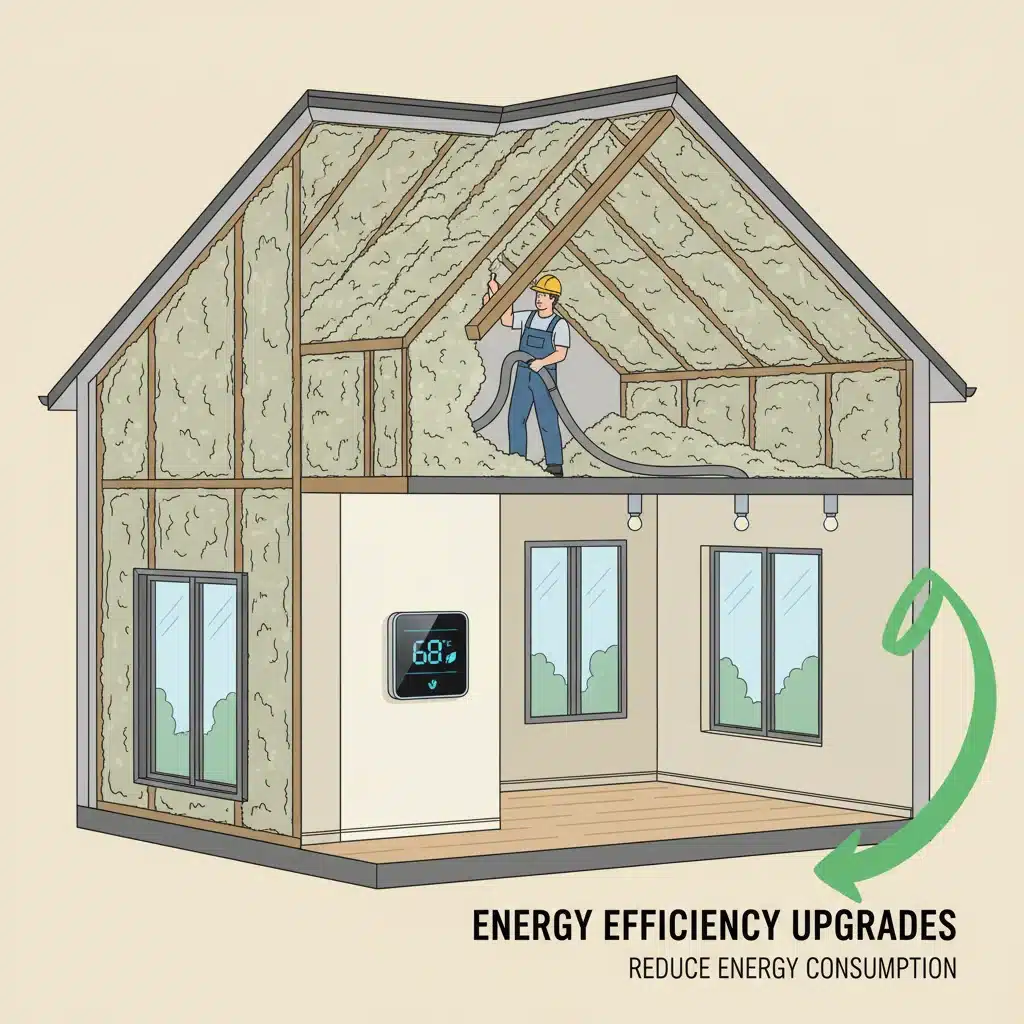
- Improve Insulation: Ensure your attic, walls, and floors have adequate insulation. This is especially important in older homes.
- Cover Windows: Use heavy curtains or blinds to insulate windows, opening them during sunny days in winter and closing them during hot days in summer.
3. Optimize Your Heating and Cooling Systems
Your HVAC system is the largest energy consumer in most homes. Regular maintenance and smart usage can save a lot:
- Regular Maintenance: Have your furnace and air conditioner serviced annually by a professional. Clean or replace air filters monthly.
- Smart Thermostat: Install a programmable or smart thermostat to automatically adjust temperatures when you’re away or asleep.
- Set Appropriate Temperatures: In winter, set your thermostat as low as comfortably possible (e.g., 68°F during the day, lower at night). In summer, set it as high as comfortably possible (e.g., 78°F).
- Avoid Blocking Vents: Ensure furniture or curtains aren’t blocking heating or cooling vents.
4. Be Mindful of Appliance Usage
Appliances contribute to your energy bill, both directly and indirectly (by generating heat that your AC then has to remove):
- Unplug "Energy Vampires": Electronics that draw power even when turned off (e.g., phone chargers, TVs, computers).
- Use Energy-Efficient Appliances: When replacing appliances, look for ENERGY STAR certified models.
- Laundry Habits: Wash clothes in cold water when possible, and clean the dryer lint filter before every load.
- Lighting: Switch to LED light bulbs, which use significantly less energy and last longer.
5. Understand Your Utility Bill
Take the time to read and understand your utility bill. It can provide valuable insights into your energy consumption patterns and identify areas where you can save. Many utility companies also offer online portals where you can track your usage in real-time.
By combining the financial relief from LIHEAP Energy Assistance and other programs with proactive energy-saving measures, you can create a more sustainable and affordable home environment for 2026 and beyond.
Addressing Common Questions About LIHEAP Energy Assistance
Navigating government assistance programs often brings up a host of questions. Here are answers to some frequently asked questions about LIHEAP Energy Assistance:
Can I receive LIHEAP if I rent my home?
Yes, renters are generally eligible for LIHEAP, provided they meet the income and other eligibility requirements. The program is designed to help with energy bills, regardless of whether you own or rent your home. You will typically need to provide a copy of your utility bill in your name.
How much assistance can I expect to receive?
The amount of assistance varies widely by state, household income, household size, and energy burden. While the potential for up to $1,000 in aid is often cited, individual benefits can range from a few hundred dollars to over a thousand, depending on your specific circumstances and the funding available in your area. Some states offer higher benefits to households with very high energy costs or particular vulnerabilities.
What if my utilities are included in my rent?
If your utilities are included in your rent and you do not receive a separate energy bill, you might still be eligible for LIHEAP. Some states have provisions for "indirect energy costs" in such cases, where a portion of your rent is considered for energy. You will need to check with your local LIHEAP office for their specific policies on this matter.
What if my application is denied?
If your application for LIHEAP Energy Assistance is denied, you have the right to appeal the decision. The denial letter should provide information on how to file an appeal and the deadline for doing so. It’s crucial to understand the reason for the denial and provide any additional documentation or clarification requested during the appeal process. You can also reapply if your circumstances change or if new funding becomes available.
Can LIHEAP help with past-due bills or shut-off notices?
Yes, LIHEAP often includes an "energy crisis assistance" component specifically designed to help households facing an immediate energy crisis, such as a utility shut-off notice or a lack of fuel. If you are in such a situation, it’s vital to contact your local LIHEAP office immediately and inform them of your urgent need. They may be able to expedite your application or provide immediate intervention.
Is LIHEAP only for winter heating costs?
No, while LIHEAP is heavily associated with heating assistance, it also provides cooling assistance during the hot summer months in many states. The availability and duration of heating and cooling assistance periods depend on the climate and specific policies of each state or territory. Check with your local agency to understand what types of assistance are available in your area for 2026.
What is the difference between LIHEAP and weatherization assistance?
LIHEAP primarily provides financial assistance to help pay for energy bills. The Weatherization Assistance Program (WAP), while often working in conjunction with LIHEAP, focuses on making homes more energy-efficient through improvements like insulation, air sealing, and heating system repairs. WAP aims to reduce energy consumption and costs in the long term, whereas LIHEAP provides immediate financial relief. Some LIHEAP funds can be used for minor energy-related home repairs, but extensive weatherization is typically handled by WAP.
By understanding these common questions, you can approach the application process for LIHEAP Energy Assistance with greater confidence and clarity, ensuring you make the most of the support available to you.
The Long-Term Impact of Energy Assistance on Households
The benefits of programs like LIHEAP Energy Assistance extend far beyond merely covering a utility bill. They have a profound and lasting impact on the well-being and stability of low-income households.
Reducing Financial Stress
One of the most immediate and significant impacts is the reduction of financial stress. For families living paycheck to paycheck, the prospect of a high energy bill can be a source of immense anxiety. LIHEAP alleviates this burden, allowing households to allocate their limited resources to other necessities like food, healthcare, and education. This stability contributes to improved mental health and overall quality of life.
Preventing Health Risks
Access to affordable heating and cooling is a public health imperative. Extreme temperatures can exacerbate existing health conditions, particularly for the elderly, young children, and individuals with chronic illnesses. LIHEAP helps ensure homes remain at safe temperatures, preventing cold-related illnesses (like hypothermia and respiratory issues) in winter and heat-related illnesses (like heatstroke and dehydration) in summer. This preventative measure reduces hospitalizations and improves community health outcomes.
Enhancing Educational Outcomes
For families with children, a stable home environment with adequate heating and cooling is crucial for educational success. Children in comfortable homes are better able to concentrate on homework, get sufficient rest, and attend school regularly. Without the distraction of an uncomfortably cold or hot home, students can focus on learning, leading to better academic performance and long-term opportunities.
Promoting Economic Stability
By freeing up household income, LIHEAP Energy Assistance indirectly supports local economies. Families have more disposable income to spend on goods and services, stimulating local businesses. Furthermore, by preventing utility shut-offs, LIHEAP helps families maintain housing stability, which is a foundational element of economic well-being. Evictions and homelessness often stem from an inability to pay bills, and energy assistance acts as a critical preventative measure.
Fostering Energy Independence and Efficiency
Beyond direct financial aid, LIHEAP often works in tandem with weatherization programs. By promoting energy efficiency upgrades, these programs empower households to reduce their long-term energy consumption and costs. This not only benefits individual families but also contributes to broader goals of energy conservation and environmental sustainability. It educates recipients on sustainable energy practices, fostering a sense of energy independence.
In conclusion, LIHEAP Energy Assistance and similar programs are more than just temporary fixes; they are integral components of a social safety net that supports the health, education, and economic stability of vulnerable populations. As we look towards 2026, the continued availability and effective administration of these programs will remain essential for building resilient communities and ensuring that every home can be a safe and comfortable haven.
Conclusion: Securing Your Energy Future in 2026
The challenge of managing home energy costs is a persistent one, but with the right knowledge and resources, it doesn’t have to be an insurmountable burden. For 2026, LIHEAP Energy Assistance stands as a vital federal program, offering significant financial relief – potentially up to $1,000 – to low-income households struggling with heating and cooling bills. This comprehensive guide has walked you through the essentials, from understanding eligibility and the application process to exploring complementary programs and implementing energy-saving strategies.
Remember, proactive engagement is key. Start by identifying your local LIHEAP office, gathering all necessary documentation, and submitting your application promptly. Don’t hesitate to inquire about state-specific aid, utility company programs, or assistance from community organizations. By combining these resources with smart energy habits, you can create a more stable and comfortable living environment for yourself and your family.
The impact of securing energy assistance extends beyond mere financial savings; it contributes to better health, improved educational outcomes, and overall household stability. As we move through 2026, let this guide serve as your roadmap to navigating the landscape of energy assistance programs, ensuring that your home remains a sanctuary, warm in winter and cool in summer, free from the undue stress of unaffordable utility bills. Take action today and empower your household with the support it deserves.