LIHEAP 2026: Get Up to $750 for Utility Bill Assistance

Anúncios
As the chill of winter approaches and the heat of summer becomes unbearable, the cost of keeping our homes comfortable can place a significant burden on many households. For low-income families and individuals, utility bills are often a source of immense stress, sometimes forcing difficult choices between essential needs like food, medicine, and keeping the lights on. This is where the Low-Income Home Energy Assistance Program (LIHEAP) steps in as a critical lifeline.
For the upcoming 2026 program year, LIHEAP continues its mission to help eligible households manage their energy costs. Understanding how to access this vital support, particularly how to navigate the LIHEAP 2026 application process, can make a substantial difference in your household budget and overall well-being. This comprehensive guide will walk you through everything you need to know about LIHEAP 2026, from eligibility requirements and the application process to what kind of assistance you can expect, potentially receiving up to $750 to ease your utility burden.
Anúncios
What is LIHEAP? A Lifeline for Energy Costs
The Low-Income Home Energy Assistance Program (LIHEAP) is a federally funded program that helps low-income households with their home energy bills. It’s designed to assist families and individuals who struggle to afford heating and cooling costs, preventing energy crises and ensuring access to safe and healthy living environments. LIHEAP is not a one-size-fits-all program; it offers various types of assistance tailored to specific needs, including:
- Heating Assistance: Helps with the cost of fuel for heating homes during colder months.
- Cooling Assistance: Provides aid for electricity bills to run air conditioning during hot periods.
- Energy Crisis Assistance: Offers immediate help to households facing a shut-off notice or those who have run out of fuel.
- Weatherization and Energy-Related Home Repairs: Funds improvements to make homes more energy-efficient, thereby reducing future energy costs.
Each state, territory, and tribal entity receives LIHEAP funds directly from the U.S. Department of Health and Human Services (HHS) and then administers the program according to local needs and regulations. This means that while the core purpose of LIHEAP remains consistent nationwide, the specifics of eligibility, application periods, and benefit amounts can vary significantly from one location to another. Therefore, understanding your local program is key to successfully navigating the LIHEAP 2026 application.
Anúncios
Who is Eligible for LIHEAP 2026? Understanding the Criteria
Eligibility for LIHEAP 2026 primarily hinges on income, but other factors may also be considered. The general guidelines are set at the federal level, but states and local agencies have the flexibility to establish more specific criteria. Here’s a breakdown of common eligibility factors:
Income Requirements
The most crucial factor for LIHEAP eligibility is household income. Generally, households must have incomes at or below 150% of the federal poverty level or 60% of the state median income, whichever is greater. However, some states may set their limits slightly differently. For LIHEAP 2026, these income thresholds will be based on the poverty guidelines updated annually by the Department of Health and Human Services. It’s important to check the specific income limits for your state or territory, as these can vary based on household size.
For example, a household of four in one state might qualify with an income of $45,000, while in another state, the limit might be $50,000. These figures are illustrative; actual figures will be released closer to the LIHEAP 2026 program start. Keeping an eye on official state LIHEAP websites will provide the most accurate and up-to-date income guidelines for the LIHEAP 2026 application.
Household Composition
While not always a strict requirement, households with vulnerable members often receive priority. This includes:
- Households with young children (especially those under six years old).
- Households with elderly individuals (typically 60 years or older).
- Households with individuals with disabilities.
These groups are often considered more susceptible to the health risks associated with inadequate heating or cooling, making them priority candidates for assistance.
Residency Status
Applicants must be legal residents of the state or tribal area where they are applying. This usually means providing proof of residency, such as a utility bill, lease agreement, or state-issued ID.
Energy Burden
Some LIHEAP programs also consider the household’s energy burden, which is the percentage of household income spent on energy costs. Households with a disproportionately high energy burden, even if their income is slightly above the typical threshold, might still qualify in some jurisdictions. This ensures that those truly struggling with high energy costs receive the help they need.
The LIHEAP 2026 Application Process: Step-by-Step Guide
Applying for LIHEAP 2026 can seem daunting, but breaking it down into manageable steps makes the process much smoother. Here’s a general guide to help you prepare and submit your application:
Step 1: Find Your Local LIHEAP Office or Agency
Since LIHEAP is administered at the state and local levels, the first crucial step is to locate the agency responsible for processing applications in your area. This could be your local Department of Social Services, a community action agency, or another designated non-profit organization. You can typically find this information by:
- Visiting the official LIHEAP website for your state.
- Calling the national LIHEAP hotline (if available) or a state-specific energy assistance hotline.
- Searching online for "LIHEAP [Your State/County Name]".
Once you identify your local agency, they can provide you with specific details about their application period, required documents, and submission methods for the LIHEAP 2026 application.
Step 2: Gather Required Documentation
Preparation is key. Before you even start filling out the application, collect all necessary documents. While specific requirements may vary, you will almost certainly need:
- Proof of Income: This includes pay stubs (for the past 30 days, usually), Social Security benefit letters, unemployment benefit statements, pension statements, child support documents, or any other proof of income for all household members.
- Proof of Residency: A recent utility bill (gas, electric, oil, propane), a lease agreement, or a driver’s license with your current address.
- Household Member Information: Names, dates of birth, and Social Security numbers for all individuals living in your household.
- Utility Bills: Copies of your most recent heating and electric bills. If your utilities are included in your rent, you may need a statement from your landlord.
- Government-Issued ID: For the primary applicant.
It’s advisable to make copies of all documents before submitting them, as originals may not be returned.
Step 3: Complete the Application Form
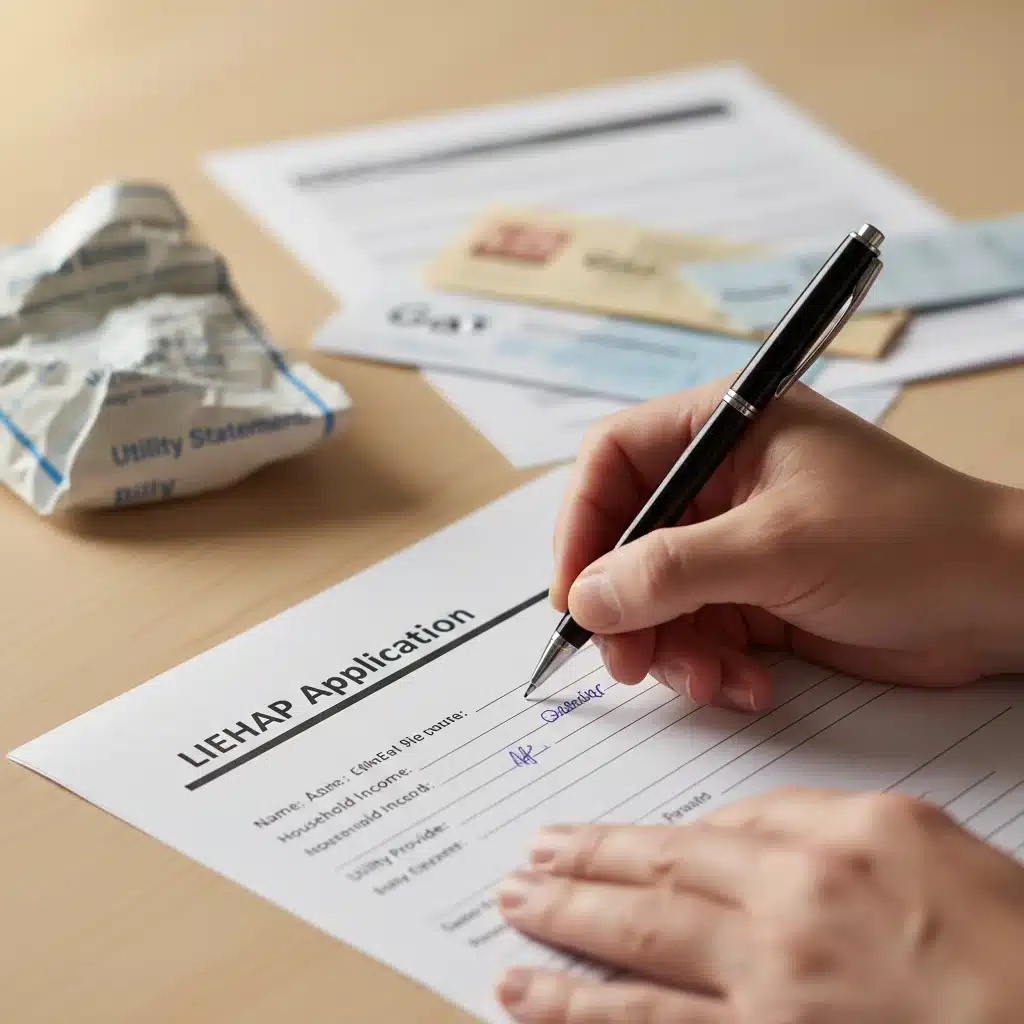
Your local agency will provide the official LIHEAP 2026 application form. This can often be downloaded from their website, picked up in person, or mailed to you. Fill out the form completely and accurately. Incomplete applications are a common reason for delays or denials. If you have questions, do not hesitate to contact your local agency for clarification.
Step 4: Submit Your Application
Application submission methods vary. You might be able to:
- Apply Online: Many agencies now offer online application portals.
- Mail Your Application: Send your completed form and copies of documents via postal service.
- Apply In Person: Visit the local office during business hours to submit your application and potentially get immediate assistance with any questions.
- Fax Your Application: Some agencies may accept faxed applications.
Always confirm the preferred submission method with your local agency and keep a record of your submission (e.g., a tracking number for online applications, a certified mail receipt, or a dated copy of your application). This is crucial for tracking the status of your LIHEAP 2026 application.
Step 5: Follow Up
After submitting your application, it’s a good idea to follow up with the agency if you haven’t heard back within their stated processing time. This could be a few weeks to a month or more, depending on the volume of applications. Be patient, but persistent. If additional information is required, provide it promptly to avoid further delays.
When to Apply for LIHEAP 2026: Key Dates and Deadlines
Application periods for LIHEAP vary by state and even by program component (e.g., heating assistance vs. cooling assistance). Generally:
- Heating Assistance: Applications typically open in the fall (e.g., October or November) and may run through the winter months.
- Cooling Assistance: Applications usually open in the spring or early summer (e.g., April, May, or June) and continue through the hottest months.
- Crisis Assistance: This type of aid is often available year-round for emergencies, but funding can be limited.
It is crucial to contact your local LIHEAP office well in advance of the heating or cooling season to confirm the exact opening and closing dates for the LIHEAP 2026 application cycle in your area. Funds are often distributed on a first-come, first-served basis, so applying early once the window opens can increase your chances of receiving assistance.
How Much Can You Get? Understanding LIHEAP Benefits
The amount of assistance you can receive through LIHEAP 2026 varies widely. While the program can provide up to $750 or more in some cases, the exact amount depends on several factors:
- State Funding Levels: Each state receives a different allocation of federal LIHEAP funds.
- Household Income: Generally, households with lower incomes may qualify for higher benefits.
- Household Size: Larger households often have higher energy needs and may receive more assistance.
- Energy Burden: Households that spend a larger percentage of their income on energy may receive more.
- Type of Fuel Used: The cost of different heating fuels (e.g., natural gas, electricity, oil, propane) can influence benefit amounts.
- Local Energy Costs: Areas with higher average utility costs may see higher benefit payouts.
Benefits are typically paid directly to your utility company or fuel vendor on your behalf. In some cases, if you use bulk fuel like oil or propane, a direct payment may be made to the supplier. Crisis assistance may involve direct payments to prevent shut-offs or to restore service quickly.
Beyond Direct Payments: Weatherization and Energy Efficiency
LIHEAP isn’t just about paying bills; it also aims to reduce future energy costs through weatherization and energy-related home repairs. If you qualify for LIHEAP, you might also be eligible for services that can make your home more energy-efficient, such as:
- Insulation: Improving wall, attic, and floor insulation.
- Weatherstripping and Caulking: Sealing drafts around windows and doors.
- Window and Door Repair/Replacement: Replacing inefficient windows or doors.
- Heating System Repair/Replacement: Fixing or upgrading old, inefficient heating systems.
- Energy Audits: Assessing your home’s energy use to identify areas for improvement.
These weatherization services not only lower your utility bills but also improve the comfort and safety of your home. Inquire about these additional benefits when you submit your LIHEAP 2026 application.
Tips for a Successful LIHEAP 2026 Application
To maximize your chances of approval and receive assistance quickly, keep these tips in mind:
- Apply Early: As soon as the application period opens, submit your completed application. Funds are limited and often distributed on a first-come, first-served basis.
- Be Thorough and Accurate: Double-check all information on your application form. Any discrepancies or missing information can cause delays or lead to denial.
- Keep Copies: Make copies of everything you submit – the application form, all supporting documents, and any correspondence with the LIHEAP office.
- Communicate Clearly: If you have questions or if your situation changes after you apply, communicate promptly and clearly with your local LIHEAP agency.
- Seek Help if Needed: If you struggle with filling out forms or gathering documents, ask for help from a trusted family member, friend, or community support organization.
- Understand the Appeals Process: If your application is denied, understand that you typically have the right to appeal the decision. Your denial letter should provide information on how to do this.
Common Questions About LIHEAP 2026
Can I apply for LIHEAP if I rent?
Yes, renters are eligible for LIHEAP if they are responsible for paying their own heating or cooling costs. If utilities are included in your rent, you might still qualify if your landlord can provide documentation showing the energy costs are factored into your rent or if you have a separate utility meter.
What if I receive other government benefits?
Receiving other government benefits, such as SNAP (food stamps), SSI, or TANF, often makes you automatically eligible for LIHEAP or at least simplifies the income verification process. However, you still need to complete the LIHEAP 2026 application.
How long does it take to get LIHEAP assistance?
Processing times vary by state and the volume of applications. It can range from a few weeks to several months. Crisis assistance is typically processed much faster, often within 48 hours for life-threatening situations.
Can LIHEAP help with past-due bills?
Yes, LIHEAP can often help with past-due utility bills, especially as part of crisis assistance to prevent shut-offs or restore service. Be sure to mention any past-due amounts or shut-off notices when you apply.
What if I don’t have a permanent address?
Individuals experiencing homelessness may still be eligible for LIHEAP if they can demonstrate a need for energy assistance (e.g., to heat a temporary shelter) and meet income requirements. Contact your local agency for specific guidance.
Conclusion: Securing Your Energy Future with LIHEAP 2026
The Low-Income Home Energy Assistance Program (LIHEAP) is a vital resource designed to help vulnerable households manage the ever-increasing cost of home energy. By understanding the eligibility criteria, meticulously preparing your documentation, and diligently navigating the LIHEAP 2026 application process, you can secure much-needed financial relief, potentially up to $750, for your heating and cooling bills.
Don’t let the fear of high utility costs compromise your comfort or safety. Take the proactive steps outlined in this guide, reach out to your local LIHEAP agency, and apply early. This program exists to support you and ensure that every household can maintain a safe and healthy living environment, regardless of income. Your peace of mind and warmth (or coolness) are worth the effort.
Author