Micro-Credentials: Boosting Career Prospects in 2026

Anúncios
The global workforce is in a constant state of flux, driven by technological advancements, economic shifts, and evolving societal demands. In this dynamic landscape, traditional long-term degrees, while still valuable, are increasingly being complemented—and sometimes even challenged—by a new paradigm in education and professional development: micro-credentials. As we look ahead to 2026, the rise of micro-credentials is not just a trend; it’s a fundamental shift in how individuals acquire skills, remain relevant, and ultimately, boost their career prospects. This comprehensive article delves into the transformative power of micro-credentials career boost, exploring their definition, benefits, impact on various industries, and what the future holds for this agile form of learning.
Anúncios
Understanding Micro-Credentials: A New Era of Learning
Before we delve into the profound impact of micro-credentials, it’s crucial to understand what they are. Micro-credentials are certifications that validate specific skills, competencies, or knowledge acquired through short, focused learning experiences. Unlike traditional degrees that often span years and cover a broad curriculum, micro-credentials are typically completed in weeks or months, focusing on a narrow, in-demand skill set. They are designed to be flexible, accessible, and directly applicable to the needs of the job market.
The concept isn’t entirely new; certifications have existed for decades. However, the modern iteration of micro-credentials is characterized by several key features:
- Granularity: They break down complex subjects into smaller, digestible units.
- Focus on Specific Skills: Each credential targets a particular skill or competency, such as ‘Python for Data Analysis,’ ‘Agile Project Management,’ or ‘Cybersecurity Fundamentals.’
- Employer-Recognized: Increasingly, these credentials are developed in collaboration with industry leaders, ensuring their relevance and value to employers.
- Flexibility and Accessibility: Often delivered online, they allow learners to study at their own pace and schedule, making them ideal for working professionals.
- Stackability: Many micro-credentials are designed to be ‘stacked,’ meaning individuals can combine several smaller credentials to build towards a larger qualification or a comprehensive skill profile.
The rapid pace of technological change means that skills acquired five or ten years ago might already be outdated. This necessitates continuous learning and upskilling, and micro-credentials offer an efficient and effective solution. They bridge the gap between academic theory and practical, industry-specific demands, making them a powerful tool for individuals seeking a micro-credentials career boost.
Anúncios
The Driving Forces Behind the Micro-Credential Revolution
Several factors have converged to propel micro-credentials into the spotlight, making them a critical component of career development in 2026:
The Ever-Evolving Job Market
The traditional career path of obtaining a degree and staying in one job for decades is largely a relic of the past. Today’s job market is characterized by rapid change, automation, and the emergence of entirely new roles. Industries like artificial intelligence, cybersecurity, renewable energy, and digital marketing demand highly specialized skills that often aren’t fully covered in traditional academic programs. Micro-credentials provide a nimble way to acquire these in-demand skills quickly.
The Skills Gap Crisis
Globally, employers consistently report a significant skills gap, struggling to find candidates with the specific expertise needed for critical roles. Micro-credentials directly address this by offering targeted training that aligns with industry needs. This not only benefits job seekers by making them more employable but also helps companies fill crucial positions, fostering economic growth.
Demand for Lifelong Learning
The concept of ‘lifelong learning’ has transitioned from a buzzword to an imperative. Professionals at all stages of their careers recognize the need to continuously update their knowledge and skills to remain competitive. Micro-credentials cater to this need by offering bite-sized, flexible learning opportunities that can be integrated into busy schedules.
Accessibility and Affordability
Compared to the significant time and financial investment required for a traditional degree, micro-credentials are often more affordable and accessible. This democratizes access to high-quality education and skill development, allowing a broader range of individuals to invest in their career growth and achieve a significant micro-credentials career boost without the burden of extensive debt or time commitment.
Technological Advancements in Education
The proliferation of online learning platforms, artificial intelligence, and sophisticated digital assessment tools has made it easier than ever to deliver and validate micro-credentials. These technologies enable personalized learning experiences, robust skill assessment, and verifiable digital certificates that can be easily shared with potential employers.
How Micro-Credentials Provide a Significant Career Boost
The benefits of earning micro-credentials are multifaceted, impacting individuals, employers, and the broader economy. For individuals, the advantages are particularly compelling:
Enhanced Employability and Job Mobility
In a competitive job market, specific, verifiable skills are gold. Micro-credentials demonstrate to employers that you possess the precise competencies they are looking for, often in niche or rapidly growing areas. This directly translates to increased employability and can open doors to new roles or industries. Furthermore, for those looking to change careers, micro-credentials offer a less daunting and more efficient pathway to reskill.
Higher Earning Potential
Skills that are in high demand naturally command higher salaries. By acquiring specialized skills through micro-credentials, individuals can position themselves for better-paying jobs and negotiate higher compensation. This immediate return on investment makes a strong case for pursuing these short-term programs.
Faster Skill Acquisition and Application
The focused nature of micro-credentials means learners can acquire new skills much faster than through traditional education. This speed is critical in fast-evolving fields. Once acquired, these skills can be immediately applied in the workplace, leading to quicker career progression and increased value to employers.
Personalized Learning Pathways
Micro-credentials allow individuals to tailor their learning journey to their specific career goals and existing skill sets. Instead of a one-size-fits-all approach, learners can pick and choose credentials that fill specific gaps or build on existing strengths, creating a truly personalized pathway to a micro-credentials career boost.
Validation and Recognition of Informal Learning
Many professionals gain valuable skills through on-the-job experience, self-study, or informal training. Micro-credentials provide a formal mechanism to validate these skills, giving them official recognition and credibility with employers. This is particularly beneficial for experienced professionals who might not have traditional academic qualifications for their expertise.
Increased Confidence and Motivation
Successfully completing a micro-credential and gaining a new, valuable skill can significantly boost an individual’s confidence. This self-assurance can lead to more proactive career management, greater willingness to take on new challenges, and improved overall job satisfaction.
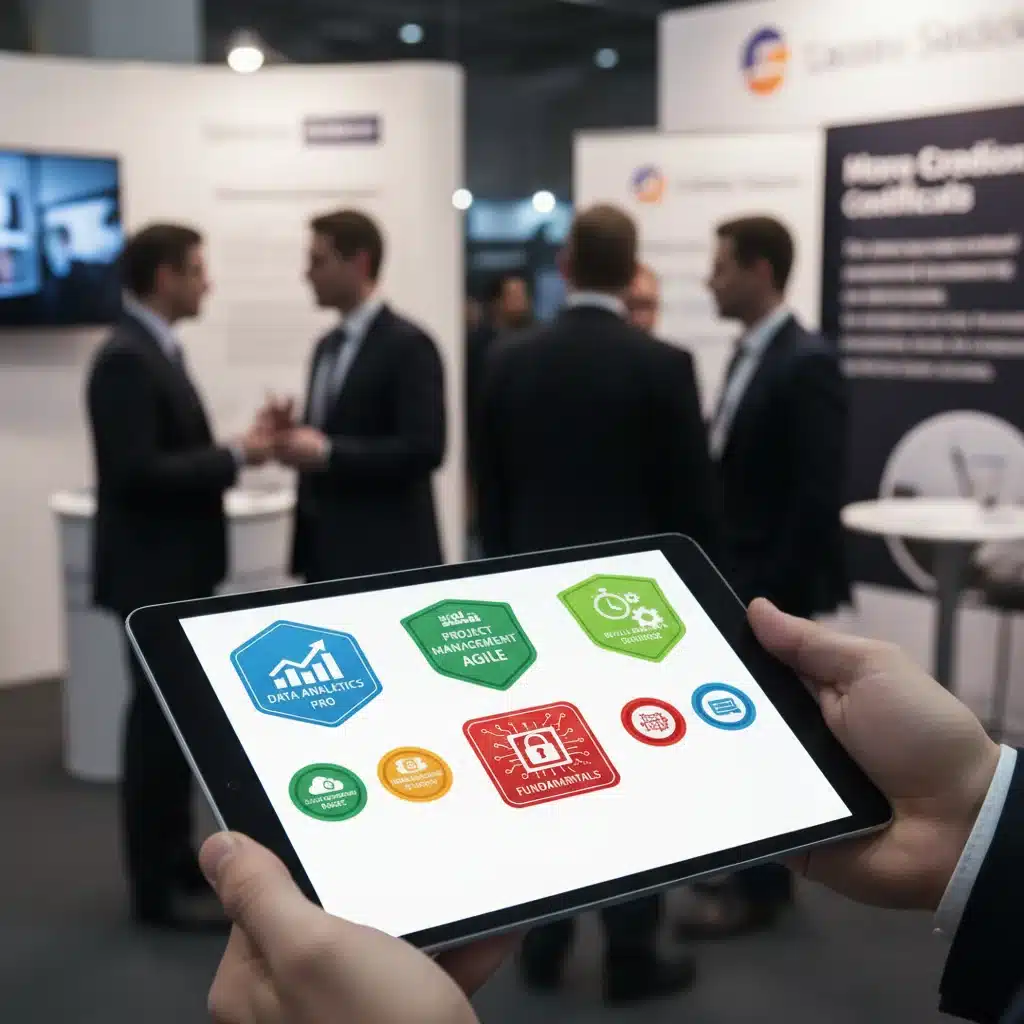
Micro-Credentials Across Industries: Real-World Impact in 2026
The impact of micro-credentials is being felt across a diverse range of industries, transforming how companies train their workforce and how individuals advance their careers. Here are a few examples:
Technology and IT
This sector is perhaps the earliest adopter and biggest beneficiary. Micro-credentials in areas like cloud computing (AWS, Azure, Google Cloud), data science, machine learning, cybersecurity, and software development are essential for staying competitive. Tech companies actively seek candidates with these specific certifications, and existing employees use them to upskill into new roles or specialize further.
Healthcare
With advancements in medical technology and evolving patient care models, healthcare professionals need continuous learning. Micro-credentials in areas like telehealth proficiency, specialized medical device operation, health informatics, or patient data privacy are becoming increasingly important for nurses, technicians, and administrators.
Marketing and Communications
The digital landscape has revolutionized marketing. Micro-credentials in SEO, social media marketing, content strategy, digital analytics, and programmatic advertising are crucial for marketers to stay relevant and drive effective campaigns.
Business and Management
Even in traditional business roles, new skills are paramount. Micro-credentials in areas like Agile project management, design thinking, business analytics, change management, or ethical AI leadership are helping managers and leaders navigate complex organizational challenges and lead innovative teams.
Education
Educators are leveraging micro-credentials to enhance their teaching methodologies, integrate new technologies into the classroom, or specialize in areas like online pedagogy, special education needs, or curriculum development. This ultimately benefits students by providing them with more skilled and adaptive teachers.
Challenges and Considerations for the Future of Micro-Credentials
While the trajectory of micro-credentials is overwhelmingly positive, there are challenges and considerations that need to be addressed for their continued growth and acceptance:
Quality Assurance and Standardization
With a multitude of providers emerging, ensuring the quality and rigor of micro-credentials is paramount. Standardization frameworks and accreditation bodies will play a crucial role in maintaining trust and ensuring that credentials truly represent valuable skills. Employers need to be confident that a micro-credential from one institution holds comparable value to a similar one from another.
Employer Recognition and Integration
While recognition is growing, some employers may still be more familiar with traditional degrees. Continued advocacy and demonstration of the value of micro-credentials are necessary to ensure their widespread acceptance in hiring processes and promotion decisions. Integrating them into HR systems and talent management strategies will be key.
Stackability and Pathways to Higher Education
The concept of ‘stackable’ credentials is powerful, allowing individuals to build towards larger qualifications. However, clear pathways from micro-credentials to associate’s or bachelor’s degrees need to be established and widely recognized by higher education institutions. This would provide a flexible and modular approach to learning throughout one’s life.
Access and Equity
While micro-credentials can be more affordable, ensuring equitable access for all, particularly those from underserved communities, is crucial. Initiatives to provide scholarships, subsidies, or free foundational micro-credentials can help bridge digital divides and skill gaps across different demographics.
Staying Current with Industry Needs
The strength of micro-credentials lies in their agility and relevance to industry demands. Providers must have robust mechanisms in place to continuously update their curricula and offerings to reflect the latest technological advancements and skill requirements. This responsiveness is what truly delivers a sustained micro-credentials career boost.
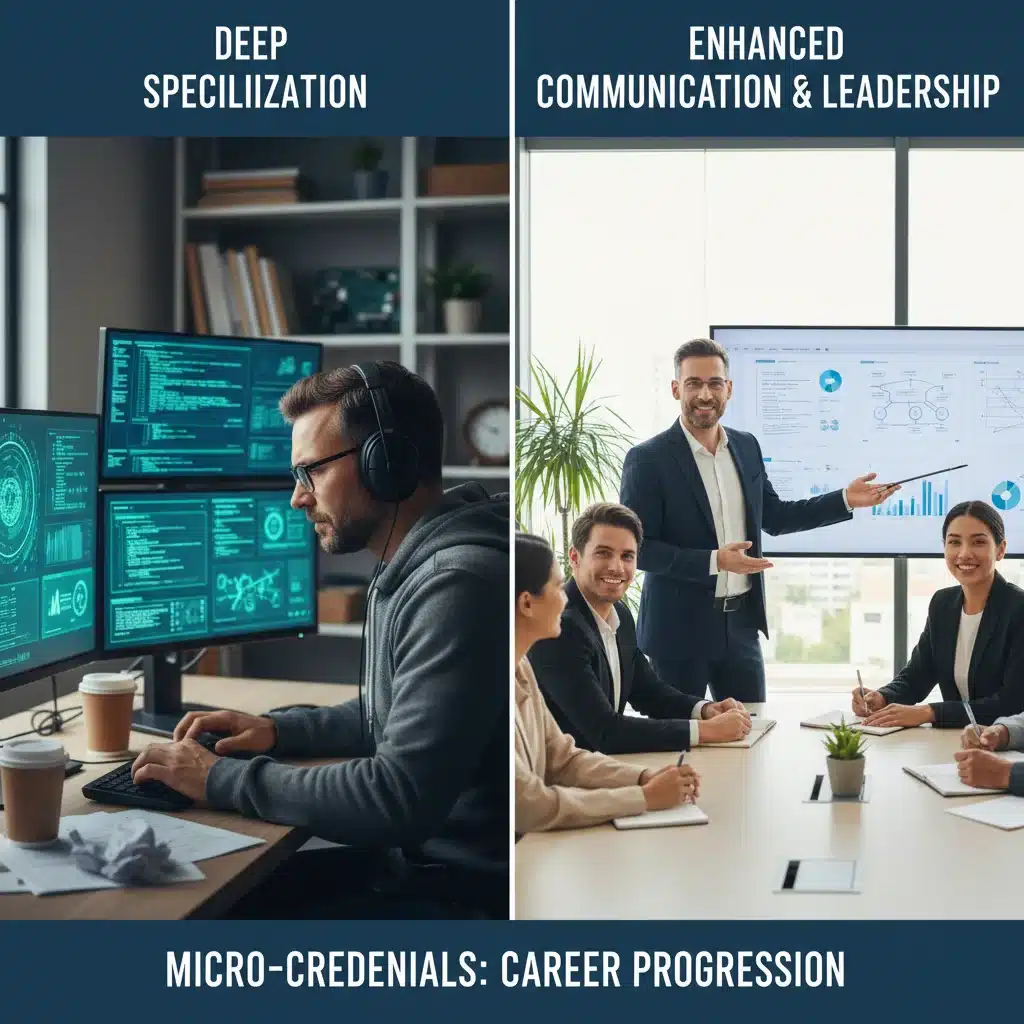
The Future is Modular: Micro-Credentials in 2026 and Beyond
Looking ahead to 2026 and beyond, micro-credentials are set to become an even more integral part of the global education and employment ecosystem. We can anticipate several key developments:
- Increased Integration with Traditional Education: Universities and colleges will increasingly offer micro-credentials alongside their degree programs, providing students with both broad foundational knowledge and targeted, job-ready skills.
- Personalized Career Development Platforms: AI-powered platforms will recommend personalized micro-credential pathways based on an individual’s existing skills, career aspirations, and real-time job market data.
- Employer-Led Micro-Credential Ecosystems: More companies will develop their own internal micro-credential programs or partner with external providers to ensure their workforce possesses the precise skills needed for innovation and growth.
- Global Recognition and Portability: Efforts towards international standardization and recognition will make micro-credentials more portable across borders, facilitating global talent mobility.
- Focus on Soft Skills and Human-Centric AI Skills: Beyond technical skills, there will be a growing emphasis on micro-credentials for critical soft skills like emotional intelligence, complex problem-solving, creativity, and ethical decision-making, particularly as AI takes over more routine tasks.
The shift towards a modular, lifelong learning approach is not just about adapting to change; it’s about thriving in it. Micro-credentials empower individuals to take control of their professional development, ensuring they remain agile, adaptable, and highly valuable in a rapidly evolving world. For anyone seeking a significant micro-credentials career boost, 2026 offers more opportunities than ever before.
Conclusion: Embrace the Micro-Credential Advantage for Your Career
The landscape of work and learning has been irrevocably altered, and micro-credentials stand at the forefront of this transformation. They offer a powerful, flexible, and efficient pathway to acquire in-demand skills, enhance employability, and unlock new career opportunities. For individuals looking to stay competitive, adapt to new technologies, or pivot into new fields, embracing micro-credentials is no longer an option but a strategic imperative. As we navigate the complexities of 2026 and the years to come, those who leverage the power of these short-term programs will undoubtedly be best positioned for sustained career success and a continuous micro-credentials career boost. The future of learning is here, and it’s modular, focused, and incredibly impactful.