Bridging the Skills Gap: 2026 Educational Initiatives Addressing Workforce Needs in the U.S.

Anúncios
Bridging the Skills Gap: 2026 Educational Initiatives Addressing Workforce Needs in the U.S.
The United States economy is in a constant state of evolution, driven by rapid technological advancements, shifting global demands, and emerging industries. While this dynamism offers immense opportunities, it also presents a significant challenge: the widening skills gap. This gap refers to the disparity between the skills employers need to drive innovation and productivity, and the skills available in the current workforce. As we look towards 2026, understanding and actively addressing this issue is paramount for sustained economic growth and individual prosperity. This article delves into the critical skills gap initiatives being implemented and planned for 2026, exploring how educational institutions, government bodies, and private industries are collaborating to build a more resilient and skilled American workforce.
Anúncios
The implications of the skills gap are far-reaching. Businesses struggle to fill essential roles, leading to reduced competitiveness, delayed innovation, and increased operational costs. For individuals, a lack of relevant skills can translate into unemployment, underemployment, and stagnant wages, exacerbating economic inequality. The World Economic Forum’s ‘Future of Jobs Report’ consistently highlights the urgency of reskilling and upskilling, predicting that a significant portion of the global workforce will require new skills in the coming years. In the U.S., sectors like advanced manufacturing, cybersecurity, healthcare, and renewable energy are particularly feeling the pinch, with numerous high-demand positions remaining vacant due to a shortage of qualified candidates.
Addressing this complex issue requires a multi-faceted approach, moving beyond traditional educational models to embrace lifelong learning, industry-aligned curricula, and innovative training methodologies. The year 2026 is poised to be a pivotal moment, with several key skills gap initiatives gaining traction and showing promising results. These initiatives are not merely reactive; they are proactive strategies designed to anticipate future workforce needs and equip Americans with the competencies required to thrive in the economy of tomorrow.
Anúncios
Understanding the Evolving Landscape of Workforce Needs
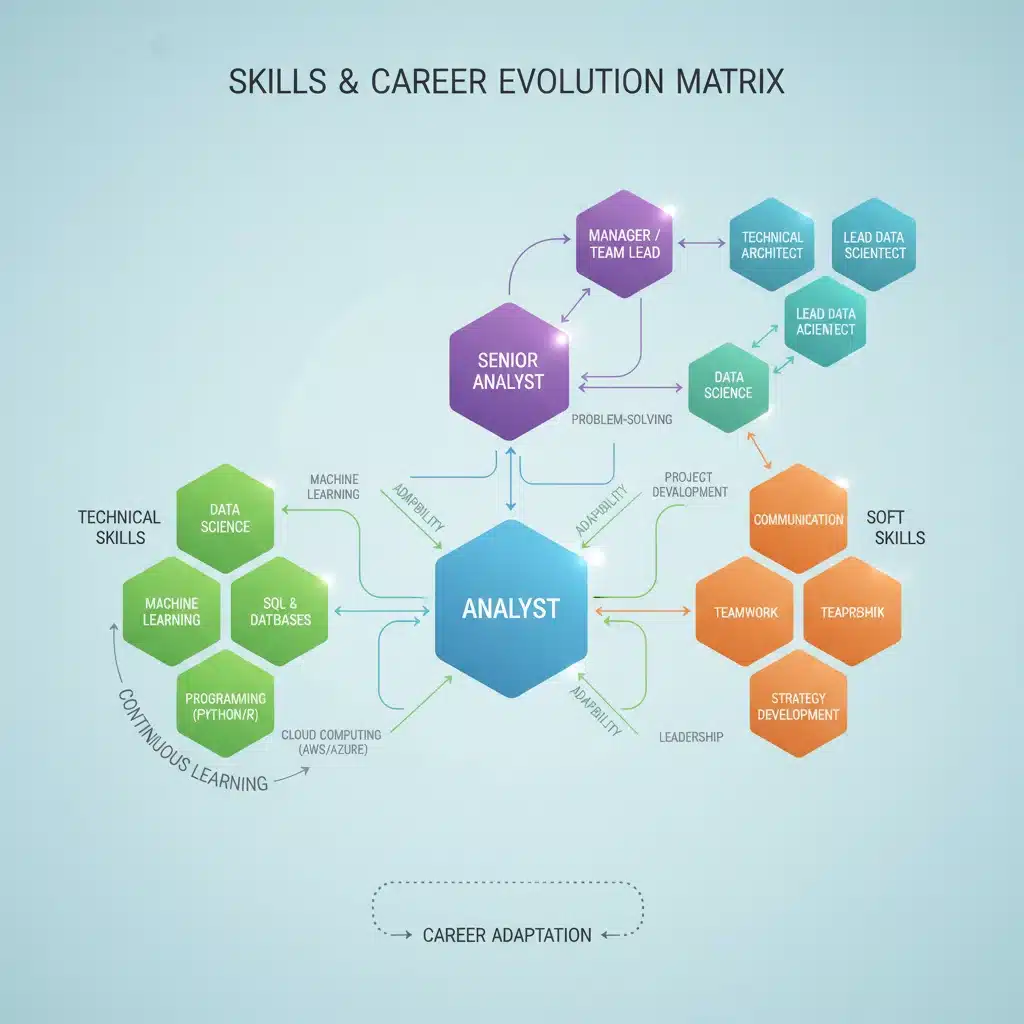
Before diving into specific initiatives, it’s crucial to grasp the nature of the skills gap itself. It’s not just about a lack of technical proficiency; it also encompasses a deficit in crucial soft skills. The modern workplace demands critical thinking, problem-solving, adaptability, digital literacy, and strong communication, alongside specialized technical knowledge. Automation and artificial intelligence are redefining job roles, requiring workers to collaborate with intelligent systems and focus on tasks that require uniquely human attributes.
The COVID-19 pandemic further accelerated these trends, pushing many industries towards greater digitization and remote work, thereby increasing the demand for digital fluency and remote collaboration skills. The shift towards a green economy also necessitates new competencies in renewable energy technologies, sustainable practices, and environmental management. Therefore, the skills gap initiatives of 2026 are designed to address a dynamic target, continually adapting to these evolving demands.
Moreover, demographic shifts play a significant role. An aging workforce means a greater need for younger generations to enter high-demand fields, while experienced workers may require reskilling to remain relevant. Diversity, equity, and inclusion are also integral components of workforce development, ensuring that all segments of the population have access to quality education and training opportunities.
Pillar 1: Revitalizing K-12 and Higher Education Curricula
The foundation of a skilled workforce begins in early education. The 2026 skills gap initiatives place a strong emphasis on reforming K-12 and higher education systems to better align with industry needs. This involves:
- STEM (Science, Technology, Engineering, and Mathematics) Expansion: Continued investment in STEM education from an early age is crucial. Programs are being developed to make STEM subjects more engaging and accessible, particularly for underrepresented groups. This includes hands-on learning, robotics clubs, coding bootcamps, and partnerships with local tech companies to provide real-world exposure.
- Digital Literacy Integration: Beyond basic computer skills, curricula are incorporating advanced digital literacy, including data analysis, cybersecurity awareness, and understanding of AI principles. This ensures that students are not just consumers of technology but active participants in the digital economy.
- Soft Skills Development: Recognizing the importance of ‘human skills,’ schools are integrating coursework and extracurricular activities that foster critical thinking, creativity, collaboration, and communication. Project-based learning, debate clubs, and leadership programs are becoming more prevalent.
- Career Pathway Exploration: High school programs are increasingly offering early exposure to various career paths through internships, apprenticeships, and vocational training options. This helps students make informed decisions about their post-secondary education and career choices.
- Higher Education Reimagined: Universities and colleges are adapting by offering more flexible, modular programs, micro-credentials, and industry-specific certifications. There’s a growing trend towards competency-based education, where students progress based on demonstrated mastery of skills rather than traditional credit hours. Many institutions are also establishing stronger ties with local industries to co-design curricula and provide experiential learning opportunities.
Pillar 2: Strengthening Vocational and Technical Training
Vocational and technical education (CTE) is experiencing a renaissance as a vital component of skills gap initiatives. Often overlooked in the past, these programs are now recognized as direct pathways to high-demand, well-paying jobs. By 2026, we expect to see:
- Increased Funding and Modernization: Significant federal and state funding is being directed towards upgrading CTE facilities, investing in state-of-the-art equipment, and attracting highly qualified instructors from industry.
- Industry-Aligned Apprenticeships: Apprenticeships are expanding beyond traditional trades to include fields like IT, healthcare, and advanced manufacturing. These programs combine on-the-job training with related classroom instruction, providing participants with both theoretical knowledge and practical experience, often leading to immediate employment upon completion.
- Community College as Workforce Hubs: Community colleges are playing an increasingly central role in workforce development. They are agile enough to respond quickly to local industry needs, offering short-term training programs, certifications, and stackable credentials that can be combined to earn degrees. Their affordability and accessibility make them ideal for reskilling and upskilling adult learners.
- Digital Badges and Micro-credentials: These provide verifiable recognition of specific skills acquired through short courses or training modules. They offer flexibility for learners and allow employers to quickly identify candidates with the precise skills they need, thus streamlining hiring processes and making the skills gap easier to measure and address.
Pillar 3: Innovative Public-Private Partnerships
The complexity of the skills gap demands collaborative solutions. Government, educational institutions, and private industry must work hand-in-hand. The 2026 skills gap initiatives are characterized by a surge in innovative partnerships:
- Industry Consortia: Groups of companies within a specific sector are pooling resources to define skill requirements, develop training programs, and create certification standards. This ensures that education and training directly address industry needs.
- Government Incentives: Federal and state governments are offering tax breaks, grants, subsidies to companies that invest in employee training, apprenticeships, and partnerships with educational institutions. This encourages private sector engagement in workforce development.
- Workforce Development Boards: Local and regional workforce development boards are becoming more effective at connecting job seekers with training opportunities and employers with skilled talent. They act as crucial intermediaries, facilitating communication and resource allocation.
- Shared Facilities and Resources: Partnerships are leading to the creation of shared labs, innovation centers, and training facilities where students and employees can gain hands-on experience with cutting-edge technology, often funded jointly by public and private entities.
- Corporate Training Programs: Many large corporations are investing heavily in their internal training academies and upskilling programs for existing employees, recognizing that continuous learning is essential for retaining talent and adapting to technological changes. These programs often leverage online learning platforms and blended learning approaches.
Pillar 4: Leveraging Technology for Scalable Solutions
Technology itself, while contributing to the skills gap, also offers powerful solutions for bridging it. By 2026, technology is at the forefront of many skills gap initiatives:
- AI-Powered Personalized Learning: Artificial intelligence is being used to create adaptive learning platforms that tailor educational content to individual learning styles and paces. This helps learners acquire skills more efficiently and effectively.
- Virtual and Augmented Reality (VR/AR) Training: VR and AR are revolutionizing vocational training, allowing learners to practice complex procedures in simulated environments without the risks or costs associated with real-world equipment. This is particularly valuable in fields like healthcare, manufacturing, and aviation.
- Online Learning Platforms (MOOCs and Specialized Courses): The proliferation of massive open online courses (MOOCs) and specialized online platforms provides unprecedented access to high-quality education and training from leading institutions and industry experts. These platforms are crucial for lifelong learning and reskilling initiatives.
- Data Analytics for Workforce Planning: Advanced data analytics are being used to forecast future skill demands, identify emerging job roles, and track the effectiveness of training programs. This data-driven approach helps policymakers and educators make more informed decisions about resource allocation and curriculum development.
- Gamification in Education: Incorporating game-like elements into learning makes the process more engaging and motivating, leading to better retention of information and skills. This is being applied across various educational settings, from K-12 to corporate training.
Case Studies and Success Stories from 2026 Initiatives
To illustrate the impact of these skills gap initiatives, let’s consider a few hypothetical yet representative examples of successes we anticipate by 2026:
- The "FutureReady Tech Hub" in Phoenix, AZ: A collaborative effort between Arizona State University, several major tech companies, and the City of Phoenix, this hub offers accelerated bootcamps in cloud computing, data science, and cybersecurity. Students, many of whom are career changers, can earn industry-recognized certifications in as little as six months. The program boasts a 90% job placement rate, with graduates securing positions that pay significantly above the local average. This initiative leverages both public education infrastructure and private sector expertise to rapidly train a skilled workforce.
- "GreenBuild Apprenticeship Program" in the Pacific Northwest: Addressing the growing demand for skilled labor in renewable energy and sustainable construction, this program is a partnership between local community colleges, labor unions, and green energy companies. Apprentices gain hands-on experience installing solar panels, maintaining wind turbines, and constructing energy-efficient buildings, while also completing coursework in renewable energy systems and safety protocols. The program is specifically designed to transition workers from declining industries into the burgeoning green economy.
- "Healthcare Innovators Academy" in Atlanta, GA: Recognizing the need for tech-savvy healthcare professionals, this academy, a joint venture between a leading hospital network and a private educational technology firm, offers specialized training in health informatics, telemedicine support, and medical device maintenance. Using VR simulations for training and AI-driven personalized learning paths, the academy rapidly upskills healthcare workers, enabling them to navigate complex digital health systems and improve patient care.
These examples highlight the diverse approaches and the powerful synergy created when different stakeholders unite to tackle the skills gap. They demonstrate that effective skills gap initiatives are adaptable, industry-driven, and focused on tangible outcomes for both individuals and the economy.
Challenges and Future Outlook for Skills Gap Initiatives
While the outlook for 2026 skills gap initiatives is largely positive, significant challenges remain. Funding is always a concern, requiring sustained investment from both public and private sources. Ensuring equitable access to these programs, especially for disadvantaged communities and rural populations, is critical to prevent the skills gap from widening societal inequalities. The rapid pace of technological change also means that educational systems must remain agile and continuously update their curricula to avoid obsolescence.
Another challenge lies in shifting cultural perceptions. There’s a persistent stigma associated with vocational training compared to traditional four-year degrees, which needs to be overcome through advocacy and demonstrating the value and career potential of skilled trades and technical professions. Lifelong learning must become the norm, not the exception, requiring individuals to take ownership of their continuous professional development.
Looking ahead, the success of these skills gap initiatives will depend on several factors:
- Continuous Data Collection and Analysis: Regularly assessing workforce needs and the effectiveness of training programs will be crucial for adaptation and improvement.
- Policy Support: Government policies that incentivize investment in human capital, streamline accreditation processes, and support innovative educational models will be essential.
- Employer Engagement: Active and ongoing participation from employers in defining skill needs, offering internships, and providing feedback on training outcomes is indispensable.
- Individual Empowerment: Fostering a culture of lifelong learning and providing accessible resources for individuals to pursue reskilling and upskilling opportunities will be key.
Conclusion
The year 2026 marks a critical juncture in the ongoing effort to bridge the skills gap in the U.S. workforce. Through a combination of revitalized K-12 and higher education curricula, strengthened vocational and technical training, innovative public-private partnerships, and strategic leveraging of technology, comprehensive skills gap initiatives are laying the groundwork for a more skilled, adaptable, and prosperous nation. These efforts are not just about filling jobs; they are about empowering individuals, fostering economic resilience, and ensuring that the United States remains at the forefront of global innovation. The journey is continuous, but with these concerted efforts, the future of the American workforce looks brighter and more prepared for the challenges and opportunities that lie ahead.
The commitment to investing in human capital, embracing lifelong learning, and fostering collaboration across sectors will ultimately determine our success in navigating the complexities of the 21st-century economy. The skills gap initiatives of 2026 represent a collective promise to build a workforce that is not only ready for today’s demands but also equipped to shape tomorrow’s world.
Author