New Legislation in 2026: How the ‘Secure Borders Act’ Impacts Immigration Policies Across the US (RECENT UPDATES)
The landscape of United States immigration policy is perennially dynamic, subject to shifts in political will, economic pressures, and global events. As we move further into the 21st century, the need for robust, yet humane, immigration frameworks becomes increasingly apparent. One of the most significant legislative developments on the horizon for 2026 is the ‘Secure Borders Act.’ This landmark legislation promises to reshape how the US manages its borders, processes immigration applications, and integrates newcomers into American society. Understanding the intricacies of the Secure Borders Act is not just crucial for legal practitioners and policymakers, but for every individual and community potentially affected by its provisions. This comprehensive guide will delve into the core tenets of the Act, explore its recent updates, and analyze its far-reaching implications across the United States.
Anúncios
The Genesis of the Secure Borders Act: A Call for Reform
The journey to the Secure Borders Act began amidst growing debates over border security, the efficacy of existing immigration laws, and the humanitarian challenges at the nation’s frontiers. For years, politicians, advocacy groups, and the public have called for a comprehensive overhaul of the immigration system. Critics often pointed to perceived vulnerabilities in border management, lengthy backlogs in visa processing, and the complex legal status of millions of undocumented immigrants. Proponents of stricter controls emphasized national security concerns and the importance of maintaining sovereign borders, while advocates for more compassionate approaches highlighted the economic contributions of immigrants and the moral imperative to protect vulnerable populations.
Against this backdrop, the concept of the Secure Borders Act started to take shape. It emerged from a bipartisan effort, albeit one fraught with intense negotiations and compromises, aiming to address multiple facets of immigration. The primary objectives articulated by its sponsors included enhancing border security through advanced technology and increased personnel, streamlining the legal immigration process to reduce wait times and promote economic growth, and establishing clearer pathways for certain categories of immigrants while strengthening enforcement against illegal entry. The legislative process involved extensive hearings, public consultations, and amendments, reflecting the diverse perspectives and profound societal impact such a bill would entail. The final version, passed with significant debate, represented a monumental effort to bridge ideological divides and forge a new path for American immigration policy in 2026 and beyond. Its passage signals a new era, demanding careful attention to its implementation and consequences.
Anúncios
Key Provisions of the Secure Borders Act 2026
The Secure Borders Act is a multi-faceted piece of legislation, touching upon various aspects of immigration. Its core provisions can be broadly categorized into three main areas: border enforcement, legal immigration reforms, and interior enforcement. Each of these components introduces significant changes that will resonate throughout the country.
Enhanced Border Enforcement Measures
One of the most prominent features of the Secure Borders Act is its focus on bolstering border security. The Act allocates substantial funding for new technologies, including advanced surveillance systems, drone deployment, and artificial intelligence-powered analytics to detect and deter illegal crossings. It also mandates an increase in the number of Customs and Border Protection (CBP) agents and Border Patrol officers, alongside enhanced training programs to address both security and humanitarian concerns. Furthermore, the Act expands physical infrastructure along critical sections of the border, including new barriers and improved access roads for patrols. The goal is to create a more secure and controlled border environment, reducing unauthorized entries and combating transnational criminal activities. These measures are designed to be comprehensive, integrating human resources, technology, and physical infrastructure to create a layered defense. The Act also introduces stricter penalties for individuals involved in human smuggling and drug trafficking, aiming to dismantle criminal networks that exploit vulnerable migrants. The emphasis is on a ‘smart border’ approach, utilizing data and intelligence to deploy resources more effectively and respond rapidly to emerging threats. This strategic deployment is expected to significantly alter the dynamics of border crossings, pushing individuals towards legal channels or making unauthorized entry far more challenging and risky. The implications for border communities, both in terms of economic activity and social dynamics, are substantial, requiring careful monitoring and adaptation from local governments and residents alike. The Act also includes provisions for increased collaboration with international partners, recognizing that border security is a shared responsibility that extends beyond national boundaries. This international cooperation is intended to address root causes of migration and manage migratory flows more effectively, reducing pressure at the US border itself.
Reforms to Legal Immigration Pathways
Beyond border security, the Secure Borders Act also introduces significant reforms to the legal immigration system. The Act aims to streamline certain visa categories, particularly those for highly skilled workers and individuals with advanced degrees, to better meet the demands of the US economy. It proposes reducing backlogs in family-based immigration categories by reallocating unused visas from previous years and adjusting per-country caps. A new merit-based points system is also under consideration for certain immigrant visas, prioritizing factors such as education, English proficiency, job offers in critical sectors, and entrepreneurial potential. This shift is intended to make the US more competitive in attracting global talent and to ensure that legal immigration serves the nation’s economic and social interests. The Act also includes provisions to modernize the naturalization process, making it more efficient for eligible permanent residents to become citizens. These changes are designed to make the legal immigration system more responsive, efficient, and aligned with national priorities, while still upholding the principle of family reunification. However, the implementation of such a complex system will require significant technological upgrades and administrative adjustments within immigration agencies, posing potential challenges in the initial years. The Act also seeks to enhance the integrity of the asylum system, introducing new screening procedures and accelerating processing times for asylum claims, aiming to distinguish legitimate asylum seekers from those making unsubstantiated claims more quickly. This aspect of the Act is particularly sensitive, as it intersects with international human rights obligations and the humanitarian mission of the United States. The balance between efficiency and due process will be a critical measure of the Act’s success in this area. Furthermore, the Act mandates regular reviews of the visa allocation system to ensure it remains responsive to evolving economic needs and global migration patterns, allowing for adaptive policy adjustments over time.

Interior Enforcement and Compliance
The third major pillar of the Secure Borders Act focuses on interior enforcement. This includes strengthening E-Verify mandates, requiring more employers to use the electronic system to confirm the eligibility of their employees to work in the US. The Act also increases penalties for employers who knowingly hire undocumented workers, aiming to deter illegal employment practices. Furthermore, it enhances cooperation between federal immigration authorities and local law enforcement agencies, although with specific guidelines to prevent racial profiling and ensure due process. There are also provisions for increased resources for immigration courts to expedite deportation proceedings, addressing the significant backlog of cases. The Act also outlines new measures for the identification and repatriation of individuals who have overstayed their visas, utilizing data analytics and inter-agency collaboration. The intent is to create a more robust system for ensuring compliance with immigration laws within the country’s borders, complementing the enhanced security at the physical border. This comprehensive approach to interior enforcement seeks to reduce the incentives for unauthorized immigration by making it more difficult to live and work in the US without legal status. Critics have raised concerns about potential impacts on civil liberties and the risk of increased deportations, particularly for long-term residents with deep community ties. The Act attempts to mitigate some of these concerns by emphasizing training for law enforcement on civil rights protections and providing clear guidelines for collaboration. However, the practical application of these provisions will be closely watched by civil liberties organizations and immigrant rights advocates. The effectiveness of these interior enforcement measures will largely depend on their implementation, balancing the need for compliance with the protection of individual rights and community well-being. Additionally, the Act includes provisions for public awareness campaigns to inform both employers and employees about their rights and responsibilities under the new regulations, aiming to foster voluntary compliance.
Recent Updates and Anticipated Changes (2026 Outlook)
Since its initial drafting, the Secure Borders Act has undergone several revisions, reflecting ongoing political negotiations and feedback from various stakeholders. The most recent updates for 2026 include refined definitions for ‘critical skill’ visas to better align with current labor market shortages, particularly in technology, healthcare, and infrastructure development. There have also been adjustments to the proposed merit-based points system, with increased weighting given to STEM (Science, Technology, Engineering, and Mathematics) fields and investments in distressed communities. Furthermore, pilot programs for expedited processing of asylum claims at designated border facilities are slated to begin, aiming to reduce the burden on interior courts. These updates suggest a continuous effort to fine-tune the Act to achieve its stated objectives while responding to practical challenges and evolving national priorities. The implementation timeline for various components of the Secure Borders Act is staggered throughout 2026, with some provisions taking immediate effect and others requiring several months or even a year for full rollout. This phased approach is intended to allow government agencies, businesses, and individuals to adapt to the new regulations gradually. The Department of Homeland Security (DHS) and US Citizenship and Immigration Services (USCIS) are actively preparing for these changes, including developing new regulations, updating forms, and training personnel. Public information campaigns are also anticipated to help clarify the new rules for affected populations. Stakeholders, including immigrant communities, businesses, and advocacy groups, are advised to closely monitor official announcements and seek legal counsel to understand how these updates specifically impact their situations. The dynamic nature of this legislation means that further refinements or interpretations may emerge as the Act moves from theory to practice, making ongoing vigilance essential. The government’s commitment to transparency and accessible information will be crucial in navigating these complex changes effectively. Additionally, the Act includes mechanisms for annual review by a congressional oversight committee, ensuring that its provisions remain relevant and effective in addressing contemporary immigration challenges, allowing for necessary amendments based on real-world outcomes and emerging needs.
Impacts Across the US: A State-by-State Analysis
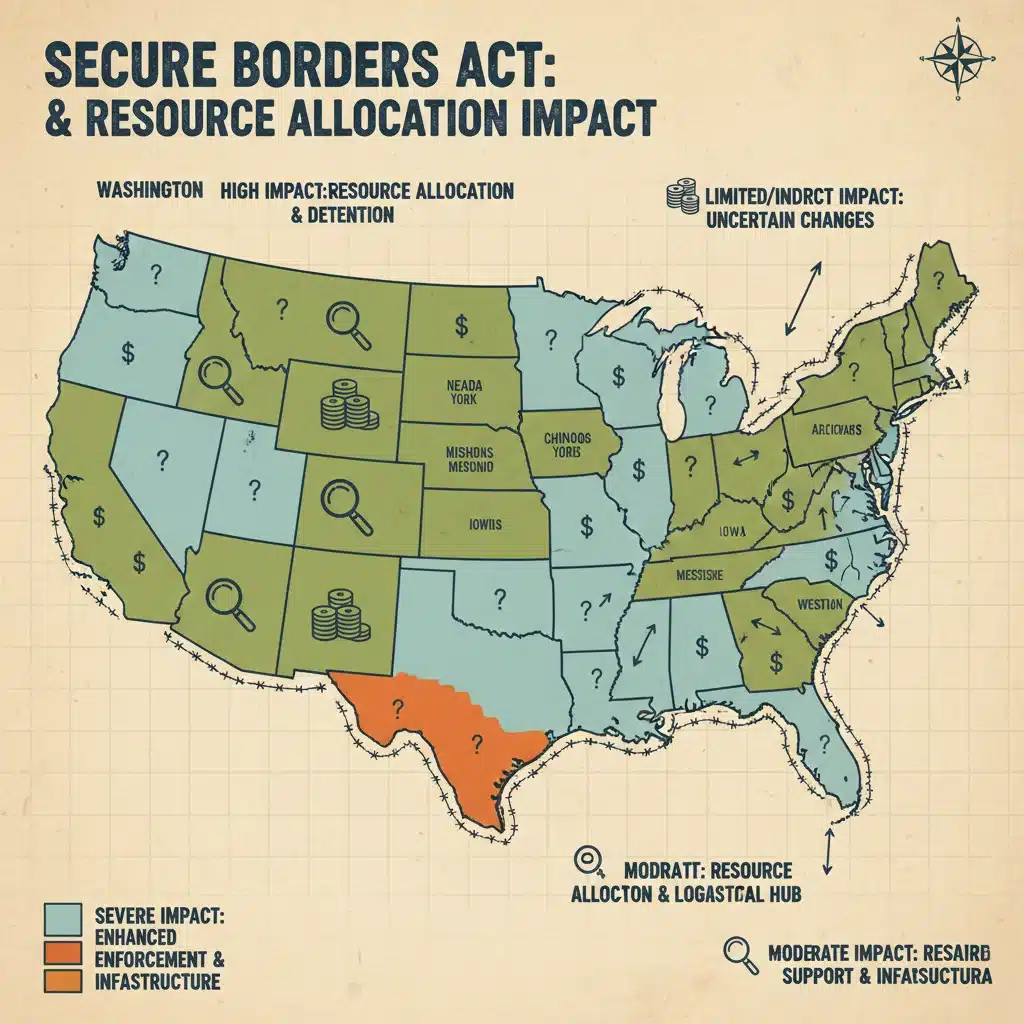
The implications of the Secure Borders Act will not be uniform across the United States. Different states and regions will experience varying degrees of impact depending on their demographics, economic structures, and proximity to international borders.
Border States: California, Arizona, New Mexico, Texas
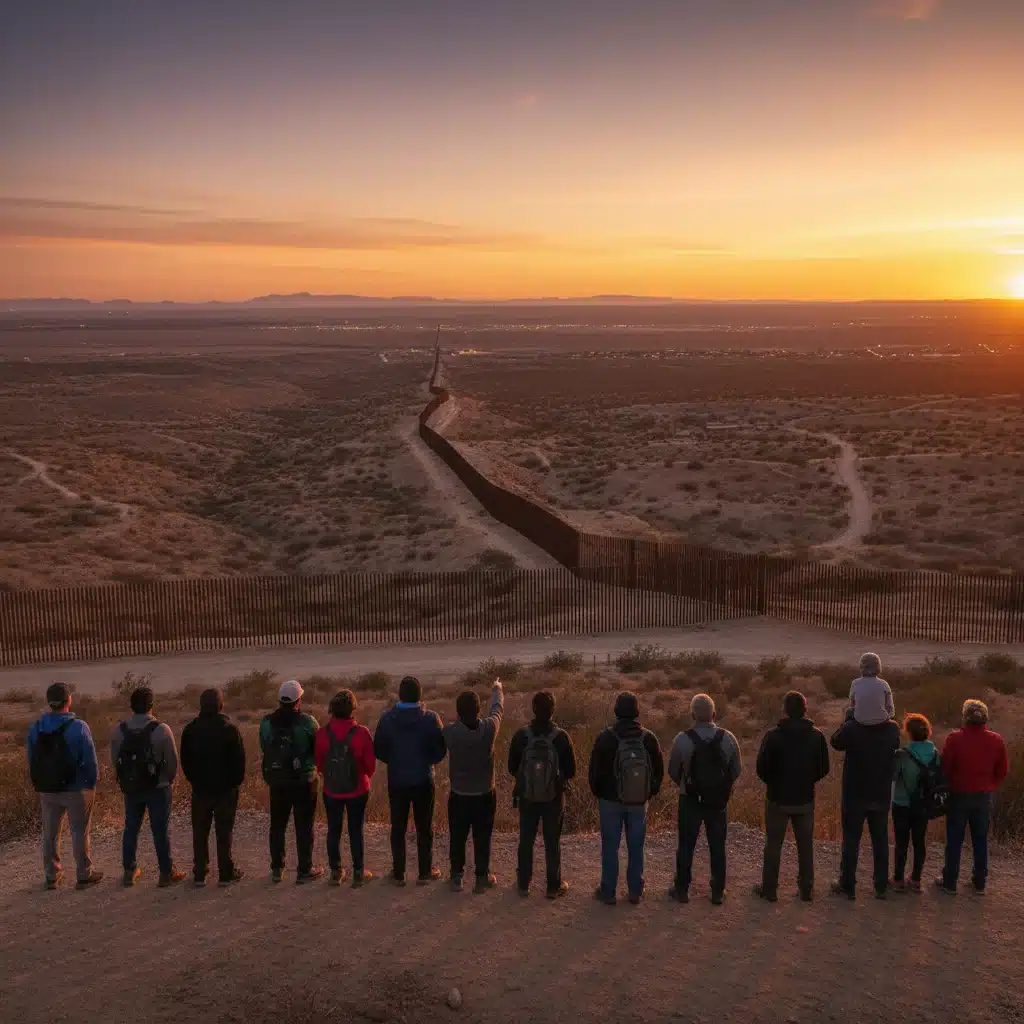
States bordering Mexico will undoubtedly feel the most immediate and profound effects of the Secure Borders Act. Increased border infrastructure, expanded personnel, and enhanced surveillance will reshape daily life in these communities. While proponents argue this will lead to greater security and reduced illegal crossings, critics express concerns about potential militarization of border regions, environmental impacts, and the strain on local resources. Economic activities, particularly those dependent on cross-border trade and labor, may experience significant adjustments. Local economies in these states are heavily intertwined with cross-border commerce and the availability of labor, both documented and undocumented. Changes in border policies could lead to shifts in labor markets, affecting sectors such as agriculture, construction, and hospitality. Furthermore, humanitarian organizations in these states will face increased demand for services as they assist migrants navigating the new legal landscape and heightened enforcement. The Act’s provisions for expedited asylum processing at the border could also alter the flow and management of asylum seekers, requiring new infrastructure and coordination. Local law enforcement agencies will need to adapt to new guidelines for cooperation with federal immigration authorities, balancing community relations with enforcement mandates. The cultural fabric of border communities, often characterized by strong binational ties, may also undergo transformation. The Act’s success in these regions will be measured not only by security metrics but also by its ability to foster stability and prosperity for residents on both sides of the border. Dialogue between federal, state, and local governments will be paramount to address unique challenges and opportunities presented by the new legislation. The Act also includes provisions for economic development initiatives in border regions, aiming to offset potential negative impacts and create new opportunities through investment in infrastructure and local businesses.
Interior States: Workforce and Economic Shifts
States in the interior of the country, while not directly on the border, will also experience significant impacts from the Secure Borders Act, primarily through changes in workforce dynamics and economic activity. Stricter E-Verify mandates and increased interior enforcement will likely lead to a reduction in undocumented labor, particularly in sectors like agriculture, meatpacking, construction, and hospitality that have historically relied on such workers. This could create labor shortages in some areas, potentially driving up wages for certain jobs or encouraging automation. Businesses will need to adapt by strengthening their HR compliance practices and investing in legal hiring pathways. The Act’s emphasis on merit-based immigration could also attract new skilled workers to states with burgeoning tech or manufacturing industries, fostering economic growth and innovation. States with large immigrant populations, such as New York, Illinois, Florida, and Texas, will see changes in their demographics and social services as legal status and pathways for integration are reconfigured. The demand for legal aid and social support services for immigrant communities is expected to increase significantly as individuals seek to understand and comply with the new regulations. Educational institutions may also face adjustments as student demographics shift. The Act’s long-term effects on state tax revenues, social welfare programs, and overall demographic trends will be closely watched. Policymakers in these states will need to develop strategies to support affected communities and businesses, ensuring a smooth transition and mitigating potential negative consequences. The ability of states to attract and retain a legal workforce will become even more critical under the new framework. Furthermore, the Act includes specific grants and funding opportunities for states and localities to assist with integration programs for new legal immigrants, recognizing the importance of successful settlement for national prosperity.
Humanitarian and Social Implications
Beyond economic and enforcement aspects, the Secure Borders Act carries significant humanitarian and social implications. Advocates for immigrant rights have voiced concerns about the potential for increased family separations, challenges for asylum seekers, and the protection of civil liberties under expanded enforcement powers. The Act attempts to address some of these concerns through provisions for humanitarian parole in specific cases and guidelines for the treatment of vulnerable populations. However, the practical implementation will determine the true impact on individuals and families. Community organizations, faith-based groups, and non-profits will play a crucial role in providing support, legal assistance, and advocacy for those navigating the new system. The Act’s success will also be measured by its ability to integrate new legal immigrants effectively, ensuring they have access to education, healthcare, and economic opportunities, contributing fully to American society. The debate over the balance between national security and humanitarian concerns will continue to be a central theme as the Act unfolds. The psychological and social well-being of immigrant communities, both documented and undocumented, will be significantly influenced by the perception and reality of these new policies. Ensuring that the Act is implemented fairly and transparently, with robust oversight mechanisms, will be essential to uphold American values and international human rights standards. The Act’s focus on streamlining legal pathways is intended to reduce the number of individuals living in legal limbo, potentially leading to greater stability for many families. However, for those who do not qualify under the new provisions, the challenges could intensify. Public discourse and education about the Act’s provisions will be vital to fostering understanding and reducing misinformation. The Act also mandates regular reports to Congress on its humanitarian impacts, providing an opportunity for ongoing assessment and potential adjustments.
Preparing for the Secure Borders Act: Advice for Individuals and Businesses
As the Secure Borders Act takes full effect in 2026, proactive preparation is essential for both individuals and businesses to navigate the new landscape successfully.
For Individuals and Families
- Seek Legal Counsel: If you or your family members have any immigration-related questions or concerns, consult with a qualified immigration attorney. The complexities of the Secure Borders Act necessitate expert advice.
- Stay Informed: Follow official government announcements from DHS, USCIS, and the Department of State. Be wary of misinformation and rely on credible sources.
- Review Your Status: Understand your current immigration status and any potential pathways or implications under the new Act. Gather all necessary documentation.
- Know Your Rights: Be aware of your rights, especially concerning interactions with law enforcement and immigration officials.
- Community Support: Connect with local immigrant support organizations, which can offer resources, information, and community assistance.
For Businesses and Employers
- Enhance Compliance: Review and update your hiring practices to ensure full compliance with E-Verify mandates and other employment eligibility verification requirements under the Secure Borders Act.
- Legal Consultation: Engage with legal experts to understand the implications of the Act on your workforce, particularly if you employ foreign nationals or operate in sectors historically reliant on immigrant labor.
- Workforce Planning: Assess potential labor shortages and develop strategies to attract and retain legal workers, including exploring new visa categories or training programs.
- Stay Updated on Regulations: Monitor new regulations and guidance issued by federal agencies regarding employer responsibilities and compliance.
- Employee Communication: Clearly communicate changes to your employees, providing resources and support where appropriate, especially for those who may be directly affected.
Conclusion: A New Era for US Immigration
The Secure Borders Act of 2026 represents a pivotal moment in US immigration policy, promising to usher in a new era of border management, legal immigration, and interior enforcement. Its comprehensive provisions aim to address long-standing challenges and reshape the nation’s approach to migration. While the Act seeks to enhance security and streamline legal pathways, its implementation will undoubtedly bring about significant changes and challenges for individuals, businesses, and communities across the United States. The success of this ambitious legislation will depend on a delicate balance between enforcement, humanitarian considerations, and economic imperatives. As the various components of the Secure Borders Act roll out, ongoing vigilance, informed engagement, and adaptive strategies will be crucial for all stakeholders. Understanding these recent updates and their potential impacts is the first step toward navigating this evolving landscape effectively and ensuring that the United States continues to be a nation that is both secure and welcoming, capable of managing its borders with integrity and compassion. The dialogue surrounding immigration is complex and often contentious, but with the passage of the Secure Borders Act, the nation embarks on a new chapter, one that demands careful attention to its unfolding realities and a commitment to ensuring a fair and just system for all. The future of US immigration is now intrinsically linked to the outcomes and adaptations stemming from this landmark legislation, making it a critical area of focus for years to come.