
New Housing Assistance Initiatives for 2026: Are You Eligible for the $500 Monthly Rent Subsidy?
The landscape of housing support is continually evolving, and as we approach 2026, significant new housing assistance initiatives are on the horizon. For many individuals and families struggling with the rising cost of living, the prospect of a $500 monthly rent subsidy could be a game-changer. This comprehensive guide will delve into the specifics of these new programs, focusing on who is eligible, how to apply, and what you can expect from the housing assistance 2026 initiatives. Understanding these details now can help you prepare and ensure you are well-positioned to benefit from these crucial support systems.
Anúncios
Housing affordability remains a pressing issue across many regions, impacting millions of households. Governments and non-profit organizations are consistently seeking innovative solutions to alleviate this burden. The upcoming housing assistance 2026 programs represent a concerted effort to provide tangible financial relief, making safe and stable housing more accessible. Whether you are a low-income family, an elderly individual, a person with disabilities, or someone facing unexpected financial hardship, these initiatives aim to offer a lifeline. This article will break down the complexities, offering clear, actionable information to help you navigate the application process and determine your eligibility for the highly anticipated $500 monthly rent subsidy.
Understanding the Core of Housing Assistance 2026
The year 2026 marks a pivotal moment for housing policy, with several new initiatives designed to bolster housing stability for vulnerable populations. At the heart of these efforts is a renewed commitment to addressing the housing crisis through direct financial aid and supportive services. The primary goal of housing assistance 2026 is to reduce the financial strain of rent payments, prevent homelessness, and foster more stable communities. These programs are not just about providing a temporary fix; they are part of a broader strategy to create sustainable housing solutions for the long term.
Anúncios
One of the most talked-about aspects of these upcoming initiatives is the potential for a $500 monthly rent subsidy. This significant amount could substantially ease the burden for many households, freeing up funds for other essential needs like food, healthcare, and education. However, it’s important to understand that such subsidies typically come with specific criteria. These often include income thresholds, household size considerations, and residency requirements. We will explore these in detail to provide a clear picture of who stands to benefit the most from this particular component of the housing assistance 2026 package.
Beyond direct financial aid, the housing assistance 2026 framework is expected to include various other supportive measures. These might encompass expanded access to affordable housing units, assistance with utility payments, counseling services for tenants and landlords, and programs aimed at improving housing conditions. The multi-faceted approach aims to tackle the housing crisis from several angles, ensuring that support is comprehensive and addresses the diverse needs of the population. Staying informed about all aspects of these initiatives is crucial for maximizing the benefits available to you or your loved ones.
Who Qualifies? Eligibility Criteria for the $500 Monthly Rent Subsidy
Determining eligibility for the $500 monthly rent subsidy under the housing assistance 2026 initiatives will be the first and most critical step for potential applicants. While specific criteria can vary slightly by region and program, general guidelines are usually consistent. These guidelines are designed to ensure that aid reaches those who need it most, prioritizing individuals and families facing significant financial hardship.
Income Thresholds and Household Size
A primary factor in eligibility for housing assistance 2026 will be household income. Programs typically establish income limits based on a percentage of the Area Median Income (AMI), often ranging from 30% to 80% AMI. These limits are adjusted based on household size, meaning larger families may have higher income thresholds. For instance, a single individual might need to earn below $30,000 annually, while a family of four could qualify with an income up to $60,000, depending on the specific program and local AMI. It’s essential to check the precise income limits for your area once the 2026 programs are officially launched.
Residency Requirements
Most housing assistance 2026 programs will require applicants to be legal residents of the area or state where they are applying. This ensures that local resources are directed towards supporting the community’s residents. Documentation such as utility bills, driver’s licenses, or state IDs may be requested to verify residency. Some programs might also have a minimum residency period requirement, for example, living in the area for at least six months or a year prior to application.
Vulnerable Populations and Special Considerations
The housing assistance 2026 initiatives are often designed with a focus on vulnerable populations. This includes, but is not limited to, the elderly, persons with disabilities, veterans, single-parent households, and individuals experiencing homelessness or at risk of homelessness. Specific programs or priority consideration might be given to these groups, reflecting a commitment to equitable access to housing support. Documentation proving disability status, veteran status, or other special circumstances will likely be required during the application process.
Housing Status and Rent Burden
Applicants for the $500 monthly rent subsidy will typically need to demonstrate a significant rent burden. This means that a substantial portion of their income is allocated to rent, often exceeding 30% or 50% of their gross monthly income. The subsidy aims to alleviate this burden, making housing more affordable. Additionally, applicants must usually be renting their primary residence and not own other substantial properties. The program may also require that the rental unit meets certain safety and habitability standards.

The Application Process: Steps to Secure Your Housing Assistance 2026
Once you’ve determined your potential eligibility for housing assistance 2026, the next crucial step is understanding and navigating the application process. While exact procedures may vary, there are common stages and requirements you can anticipate. Being prepared with the necessary documentation and information will streamline your application and increase your chances of securing the $500 monthly rent subsidy.
Step 1: Gather Required Documentation
Before you even begin filling out forms, compile all essential documents. This typically includes:
- Proof of Identity: Government-issued ID (driver’s license, state ID, passport).
- Proof of Residency: Utility bills, lease agreement, mail with your current address.
- Income Verification: Pay stubs (last 3-6 months), tax returns (W-2s, 1099s), bank statements, social security statements, unemployment benefits letters, or any other proof of income for all adult household members.
- Household Composition: Birth certificates for dependents, marriage certificates (if applicable), or other documents proving relationships.
- Current Lease Agreement: A copy of your signed lease showing monthly rent amount, landlord’s contact information, and lease terms.
- Asset Information: Bank account statements, investment statements (if applicable).
- Proof of Hardship (if applicable): Medical bills, layoff notices, or other documents explaining financial difficulties.
Having these documents organized and readily available will save you time and prevent delays during the application for housing assistance 2026.
Step 2: Locate the Appropriate Agency or Portal
Housing assistance 2026 programs are typically administered by local housing authorities, state housing agencies, or designated non-profit organizations. You will need to identify the specific entity responsible for the $500 monthly rent subsidy in your area. This information will likely be available on official government websites (e.g., HUD.gov in the US), state housing department portals, or through local community services. Many programs now offer online application portals, which can be more efficient than paper applications.
Step 3: Complete the Application Form Accurately
Fill out the application form completely and accurately. Provide all requested information, ensuring there are no omissions or errors. Double-check all figures, dates, and personal details. Misinformation or incomplete applications can lead to delays or rejection. If you have questions, do not hesitate to contact the administering agency for clarification. Some agencies may offer assistance with filling out the forms, especially for individuals with language barriers or disabilities.
Step 4: Submit Your Application and Follow Up
Once completed, submit your application along with all supporting documents. Keep copies of everything you submit for your records. After submission, it’s advisable to follow up within a reasonable timeframe (e.g., 1-2 weeks) to confirm receipt and inquire about the estimated processing time. Be prepared for potential interviews or requests for additional documentation as your application for housing assistance 2026 moves through the review process.
Step 5: Understand the Review and Approval Process
The review process for housing assistance 2026 applications can take time, depending on the volume of applications and the resources of the administering agency. During this phase, your eligibility will be thoroughly assessed based on the criteria outlined earlier. If approved, you will receive notification of the amount of assistance you qualify for and how it will be disbursed (e.g., direct payment to your landlord). If denied, the agency should provide a reason for the denial and information on how to appeal the decision, if applicable.
Key Benefits and Impact of the $500 Monthly Rent Subsidy
The introduction of a $500 monthly rent subsidy as part of the housing assistance 2026 initiatives promises a multitude of benefits, not just for individual recipients but for the broader economy and community well-being. This financial injection aims to create a ripple effect, fostering greater stability and opportunity.
Enhanced Housing Stability
For individuals and families struggling to make ends meet, a $500 reduction in monthly rent can be the difference between maintaining stable housing and facing eviction. This subsidy directly addresses the issue of rent burden, allowing households to remain in their homes, reducing the stress associated with housing insecurity, and preventing homelessness. Stable housing is foundational to health, education, and employment, making this one of the most significant impacts of housing assistance 2026.
Improved Financial Health for Households
With a lower rent payment, households will have more disposable income. This extra $500 per month can be redirected to other essential needs, such as healthy food, medical care, transportation, or educational expenses for children. It can also allow families to save for emergencies, pay down debt, or invest in their future, thereby improving their overall financial health and reducing reliance on other forms of public assistance. This contributes to a more resilient population, a key objective of housing assistance 2026.
Economic Stimulus for Local Communities
When individuals have more disposable income, they are more likely to spend it within their local communities. This increased consumer spending can stimulate local economies, supporting small businesses, creating jobs, and fostering economic growth. The $500 monthly rent subsidy, distributed across numerous households, represents a substantial collective injection of funds into local markets, making the housing assistance 2026 programs beneficial beyond just the recipients.
Reduced Social Costs and Increased Well-being
Housing instability and homelessness come with significant social costs, including increased healthcare expenses, higher rates of incarceration, and reduced educational outcomes. By providing stable housing through initiatives like the $500 monthly rent subsidy, the housing assistance 2026 programs can help reduce these costs. Furthermore, stable housing is strongly linked to improved mental and physical health, better educational attainment for children, and greater overall community well-being and civic engagement.
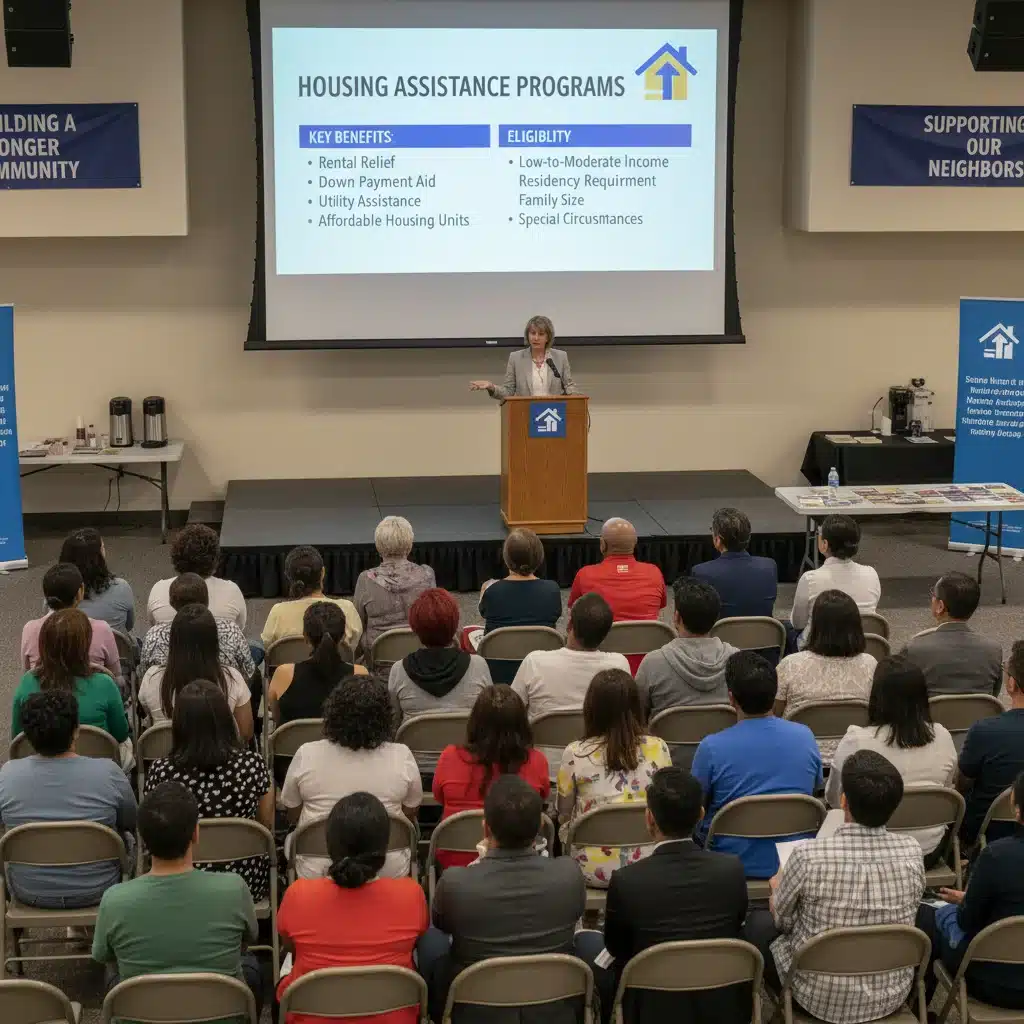
Anticipated Challenges and How to Overcome Them
While the housing assistance 2026 initiatives offer immense promise, it’s also realistic to anticipate certain challenges. Being aware of these potential hurdles and understanding how to navigate them can significantly improve your experience and success in securing assistance.
High Demand and Limited Funding
One of the most common challenges with popular assistance programs is the high demand, which can sometimes outstrip available funding. This can lead to waiting lists, delays in processing, or even programs running out of funds before all eligible applicants are served. To overcome this, it’s crucial to apply as early as possible once the housing assistance 2026 application period opens. Regularly check for updates and be prepared to act quickly. Additionally, explore if there are multiple programs or agencies offering similar support in your area.
Complex Application Procedures
The application process, while designed to be thorough, can sometimes feel overwhelming due to the amount of documentation required and the complexity of the forms. To mitigate this, dedicate ample time to gather all necessary documents well in advance. If you encounter difficulties, seek assistance from community organizations, housing counselors, or the administering agency itself. Many non-profits specialize in helping individuals complete applications for housing assistance 2026 and other aid programs.
Communication Gaps and Delays
During the review process, there might be periods of silence or delays in communication from the administering agency. This can be frustrating, but it’s important to remain patient and persistent. Keep a record of all your interactions, including dates, names of people you spoke with, and what was discussed. Follow up politely and professionally if you haven’t heard back within the stated timeframe. Clear and consistent communication on your part can help keep your application for housing assistance 2026 moving forward.
Changes in Program Rules or Eligibility
Government programs can sometimes undergo adjustments in their rules, funding, or eligibility criteria. These changes can occur due to legislative decisions, economic shifts, or administrative reviews. Stay informed by regularly checking the official websites of the agencies administering the housing assistance 2026 programs. Subscribe to newsletters or alerts if available, and attend informational sessions to ensure you are always working with the most current information.
Beyond the $500 Rent Subsidy: Other Housing Support to Consider
While the $500 monthly rent subsidy is a significant component of the housing assistance 2026 initiatives, it’s important to remember that a broader ecosystem of housing support often exists. Exploring these additional options can provide a more comprehensive safety net and address various housing-related needs.
Affordable Housing Programs
Many areas have dedicated affordable housing programs that offer rental units at below-market rates. These programs often have their own eligibility criteria, similar to the rent subsidy, but they provide long-term housing solutions rather than just financial aid for existing rent. Look into local Public Housing Authorities (PHAs) for information on Section 8 vouchers (Housing Choice Vouchers) and other affordable housing developments.
Utility Assistance Programs
Beyond rent, utility costs (electricity, gas, water) can be a significant financial burden. Programs like the Low Income Home Energy Assistance Program (LIHEAP) offer assistance with heating and cooling costs. Many local utility companies also have their own assistance programs for low-income customers. Combining rent subsidies with utility aid can provide more holistic financial relief under the umbrella of housing assistance 2026.
Homelessness Prevention and Rapid Re-Housing
For those at immediate risk of homelessness or currently experiencing it, specialized programs exist. Homelessness prevention programs can offer emergency financial assistance for back rent or security deposits, while rapid re-housing initiatives help individuals and families quickly move from homelessness into stable housing with short-term rental assistance and supportive services. These are critical components of a robust housing assistance 2026 strategy.
Tenant Rights and Legal Aid
Understanding your tenant rights is crucial, especially when navigating financial difficulties. Legal aid organizations often provide free or low-cost legal assistance to tenants facing eviction, landlord disputes, or issues with housing conditions. Knowing your rights and having access to legal support can prevent housing loss and ensure fair treatment, complementing any financial aid received from housing assistance 2026.
Financial Counseling and Budgeting Resources
While not direct financial aid, financial counseling and budgeting resources can be invaluable. Non-profit credit counseling agencies can help you create a budget, manage debt, and develop strategies for long-term financial stability. These services can maximize the impact of any housing assistance 2026 you receive by helping you manage your finances more effectively.
Preparing for Housing Assistance 2026: A Proactive Approach
As we look forward to 2026, taking a proactive approach to understanding and preparing for these new housing assistance initiatives can make a significant difference. Don’t wait until the last minute; start gathering information and organizing your affairs now.
Stay Informed Through Official Channels
Regularly check official government websites (federal, state, and local housing departments). Subscribe to newsletters or alerts if available. Attend any public informational meetings or webinars announced by housing authorities. Reliable information is your best tool for navigating housing assistance 2026.
Organize Your Financial Records
Start compiling all necessary financial documents now. This includes pay stubs, tax returns, bank statements, and any other proof of income or assets. Having an organized file will save you a lot of stress when the application period for housing assistance 2026 begins.
Connect with Local Support Organizations
Reach out to local community centers, non-profit housing agencies, or social services organizations. These groups often have the most up-to-date information on local programs, can offer application assistance, and may even run complementary programs that can benefit you alongside the housing assistance 2026 initiatives.
Understand Your Rights as a Tenant
Familiarize yourself with tenant rights in your state or city. Knowing what your landlord can and cannot do, especially concerning rent increases or evictions, is vital for protecting your housing stability. Resources from legal aid societies or tenant unions can be very helpful.
Create a Budget and Financial Plan
Even with a potential $500 monthly rent subsidy, good financial planning is key. Create a realistic budget that accounts for all your income and expenses. This will not only help you manage your finances effectively but also demonstrate your financial need and responsibility during the application process for housing assistance 2026.
Conclusion: Securing Your Future with Housing Assistance 2026
The new housing assistance 2026 initiatives, particularly the promising $500 monthly rent subsidy, represent a vital step towards addressing housing affordability and stability for countless individuals and families. By understanding the eligibility criteria, preparing thoroughly for the application process, and being aware of the broader landscape of housing support, you can significantly improve your chances of securing the assistance you need.
These programs are designed to empower communities, reduce financial burdens, and foster environments where everyone has access to safe and stable housing. Staying informed, acting proactively, and utilizing available resources will be key to unlocking the full potential of housing assistance 2026. Don’t let the complexities deter you; help is available, and with careful planning, you can navigate these initiatives to build a more secure future for yourself and your loved ones.
Remember, the goal is not just to receive temporary aid, but to leverage these opportunities to achieve long-term housing security and financial well-being. The housing assistance 2026 programs are more than just subsidies; they are investments in the future of our communities.