Food Assistance Programs 2026: Boost Your Benefits by 15%

Anúncios
Food Assistance Programs in 2026: Insider Strategies to Increase Your Household Benefits by Up to 15%
In an ever-changing economic landscape, understanding and maximizing your Food Assistance Benefits is more crucial than ever. As we look towards 2026, various programs designed to combat food insecurity are undergoing updates and refinements. For many households, these programs represent a vital lifeline, ensuring access to nutritious food. This comprehensive guide will walk you through the intricacies of food assistance in 2026, offering insider strategies and actionable tips to potentially increase your household’s benefits by up to 15%. We’ll delve into eligibility criteria, application processes, common pitfalls to avoid, and lesser-known opportunities that can make a significant difference.
Anúncios
The goal is not just to secure benefits, but to optimize them, ensuring your family receives the maximum support available. From understanding the nuances of income thresholds to leveraging local partnerships, every piece of information in this article is designed to empower you with the knowledge needed to navigate the system effectively. Let’s embark on this journey to enhance your Food Assistance Benefits and secure a more stable future for your household.
Understanding the Evolving Landscape of Food Assistance Programs in 2026
The year 2026 brings with it several anticipated changes and continuities in food assistance programs. While the Supplemental Nutrition Assistance Program (SNAP), often referred to as food stamps, remains the cornerstone of federal food aid, state-specific initiatives and private partnerships are also playing an increasingly important role. Staying informed about these changes is the first step towards maximizing your Food Assistance Benefits.
Anúncios
Key Federal Programs: SNAP and Beyond
SNAP is the largest federal nutrition assistance program, providing benefits to eligible low-income individuals and families via an Electronic Benefit Transfer (EBT) card. In 2026, we anticipate continued efforts to streamline the application process and potentially adjust benefit levels to reflect inflation and the cost of living. Beyond SNAP, other federal programs like the Special Supplemental Nutrition Program for Women, Infants, and Children (WIC), the National School Lunch Program (NSLP), and the School Breakfast Program (SBP) will also be critical components of the food assistance ecosystem. Understanding how these programs interlink and which ones your household qualifies for is essential for a holistic approach to securing Food Assistance Benefits.
State-Specific Initiatives and Local Resources
Many states implement their own food assistance programs or augment federal ones with additional funding and eligibility criteria. These can include state-funded food banks, emergency food assistance programs, and initiatives focused on specific demographics or nutritional needs. Moreover, local food pantries, community gardens, and meal programs often provide immediate and accessible support. Researching what’s available in your specific state and locality is crucial. These local resources can often fill gaps that federal programs might miss, and they can be a great way to supplement your Food Assistance Benefits.
Eligibility Criteria in 2026: What You Need to Know
Eligibility for Food Assistance Benefits is primarily determined by income, household size, and certain assets. However, these criteria can be complex and may vary slightly year to year and by state. For 2026, it’s vital to be aware of the most current guidelines to ensure your application is successful and that you receive the highest possible benefit amount.
Income Thresholds and Deductions
The primary determinant for SNAP eligibility is a household’s gross and net income. Gross income usually must be at or below 130% of the federal poverty level (FPL), while net income (after allowable deductions) must be at or below 100% of the FPL. For 2026, these FPL figures are subject to annual adjustments by the Department of Health and Human Services. Understanding what counts as income and, more importantly, what deductions you can claim, is paramount. Common deductions include a standard deduction, earned income deduction, dependent care deduction, medical expense deduction (for elderly or disabled members), and excess shelter deduction. Accurately reporting these can significantly impact your net income and, consequently, the Food Assistance Benefits.
Household Composition and Special Circumstances
Your household composition plays a significant role in determining your benefit level. This includes who lives and eats together. Special circumstances, such as having elderly or disabled members, can also affect eligibility and benefit amounts, often allowing for higher income thresholds or additional deductions. For example, households with an elderly (age 60 or older) or disabled member may not have to meet the gross income test. Additionally, students, immigrants, and individuals with certain criminal histories may have specific rules or waivers that apply to their eligibility for Food Assistance Benefits.
Asset Limits and Exemptions
While many households are exempt from asset limits, some non-exempt households must meet specific asset thresholds. Typically, this is around $2,750 for most households and $4,250 for households with at least one member who is age 60 or older, or disabled. However, many assets are often excluded, such as your home, vehicles (under certain conditions), and retirement accounts. It’s crucial to understand what assets are counted and which are exempt to avoid misreporting and ensure you qualify for Food Assistance Benefits.
Insider Strategies to Increase Your Food Assistance Benefits by Up to 15%
Simply applying for Food Assistance Benefits isn’t always enough to secure the maximum possible aid. Strategic planning and meticulous attention to detail can significantly boost your household’s support. Here are some insider strategies to help you increase your benefits by up to 15% in 2026.
Strategy 1: Accurate and Detailed Reporting of Expenses
One of the most common reasons households receive less than their full eligible Food Assistance Benefits is incomplete reporting of expenses. Many applicants overlook eligible deductions. For instance, the excess shelter deduction is often underutilized. If your rent or mortgage, property taxes, and utility costs exceed 50% of your household’s income after other deductions, you may qualify for a significant deduction. Keep meticulous records of all housing-related expenses, including electricity, gas, water, sewage, garbage, and even telephone services if they are essential for communication related to household needs. Similarly, if you have elderly or disabled members, ensure all out-of-pocket medical expenses (beyond a small deductible) are reported, including prescription costs, doctor’s visits, and transportation to appointments. These deductions directly reduce your net income, which can lead to higher Food Assistance Benefits.
Strategy 2: Understanding and Leveraging Utility Allowances
Many states offer standard utility allowances (SUA) to simplify the calculation of utility costs. However, in some cases, reporting actual utility expenses might result in a larger deduction than the SUA, especially if your utility bills are unusually high due to factors like an older home or extreme weather conditions. Research your state’s policy on utility allowances and determine whether claiming the SUA or reporting actual expenses is more advantageous for your household to maximize your Food Assistance Benefits. This often requires a careful comparison of your actual bills against the standard allowance figures.
Strategy 3: Reporting All Household Members Accurately
Ensure all eligible household members are included in your application. This might seem obvious, but sometimes households miss including individuals who technically qualify, such as foster children or certain live-in relatives who purchase and prepare food with your household. The more eligible individuals in your household, the higher your income threshold and potentially your Food Assistance Benefits. Conversely, be mindful of individuals who might not qualify as part of your SNAP household, as their inclusion could complicate eligibility.

Strategy 4: Timely Reporting of Changes
Life circumstances change, and these changes can directly impact your Food Assistance Benefits. Timely reporting of changes in income, household size, or expenses is crucial. While a decrease in income or an increase in household size might lead to higher benefits, failure to report these changes promptly could delay adjustments. Conversely, if your income increases, reporting it promptly prevents overpayments that you might have to repay later. Staying proactive ensures your benefits are always accurately calculated.
Strategy 5: Exploring Additional Programs and Waivers
Beyond the core SNAP program, many states have waivers or specialized programs that can provide additional support. For example, some states offer employment and training programs that can provide SNAP recipients with job skills and resources, sometimes leading to additional benefits or exemptions from certain work requirements. Additionally, look into programs like the Emergency Food Assistance Program (TEFAP) or local food bank initiatives that can supplement your EBT benefits. Participating in these can indirectly increase your overall access to food, effectively boosting your Food Assistance Benefits by expanding your food sources.
The Application Process for 2026: Navigating the System
Applying for Food Assistance Benefits can seem daunting, but understanding the process can make it significantly smoother. For 2026, many states are continuing to enhance online application portals, making access easier than ever.
Online vs. In-Person Applications
Most states offer online applications through their respective Department of Social Services or Human Services websites. This is often the quickest and most convenient method. However, in-person applications at local offices are still available and can be beneficial if you need direct assistance or have complex circumstances. Some community organizations also offer help with the application process, providing guidance and ensuring all necessary documentation is submitted correctly. Choosing the right application method for your situation can streamline the process of receiving your Food Assistance Benefits.
Required Documentation
Be prepared to provide various documents, including proof of identity, residency, income (pay stubs, tax returns, benefit letters), assets (bank statements), and expenses (rent/mortgage statements, utility bills, medical bills). Having these documents organized and readily available before you start the application will save you time and prevent delays. Accuracy in documentation is key to a successful application for Food Assistance Benefits.
The Interview and Verification Process
After submitting your application, you will typically undergo an interview, usually by phone, with a caseworker. This interview is an opportunity to clarify information and provide any missing details. Following the interview, the agency will verify the information you provided. This might involve contacting employers, landlords, or other relevant sources. Be responsive to any requests for additional information to avoid delays in receiving your Food Assistance Benefits.
Common Pitfalls and How to Avoid Them
Even with the best intentions, applicants can encounter challenges that delay or reduce their Food Assistance Benefits. Being aware of these common pitfalls can help you avoid them.
Incomplete or Inaccurate Information
Providing incomplete or inaccurate information is the most frequent reason for application delays or denials. Double-check all figures, spellings, and dates. If you’re unsure about a question, seek clarification from the agency or a trusted advocate. It’s always better to ask than to guess and risk providing incorrect data, which could impact your Food Assistance Benefits.
Missing Deadlines
There are often strict deadlines for submitting applications, providing requested documentation, and completing interviews. Missing these deadlines can lead to your application being denied or delayed, requiring you to start over. Keep track of all communication from the agency and respond promptly to ensure continuous Food Assistance Benefits.
Not Understanding Your Rights
As an applicant or recipient, you have rights. These include the right to an appeal if your application is denied or if you believe your benefits have been incorrectly calculated. Familiarize yourself with these rights and don’t hesitate to exercise them if you feel you’ve been unfairly treated. Advocacy groups can also provide support and guidance if you need to appeal a decision regarding your Food Assistance Benefits.
Beyond EBT: Supplementary Food Resources in 2026
While maximizing your EBT Food Assistance Benefits is crucial, it’s also important to explore supplementary resources that can further enhance your household’s food security. A multi-pronged approach often yields the best results.
Food Banks and Pantries
Local food banks and pantries are invaluable resources, offering free groceries to those in need. Many operate on a regular schedule, and some even provide delivery services. These organizations often receive donations from grocery stores, farms, and individuals, offering a wide variety of fresh produce, pantry staples, and sometimes even household goods. Utilizing these resources can significantly extend the purchasing power of your Food Assistance Benefits.
Farmers’ Markets and Produce Programs
Many farmers’ markets now accept EBT cards, and some even offer matching programs, where your SNAP dollars are doubled for fresh produce. This is an excellent way to access healthy, local foods and support local farmers. Look for programs like ‘Double Up Food Bucks’ or similar initiatives in your area. These programs are designed to make fresh, healthy food more accessible to those receiving Food Assistance Benefits.
Community Gardens and Meal Programs
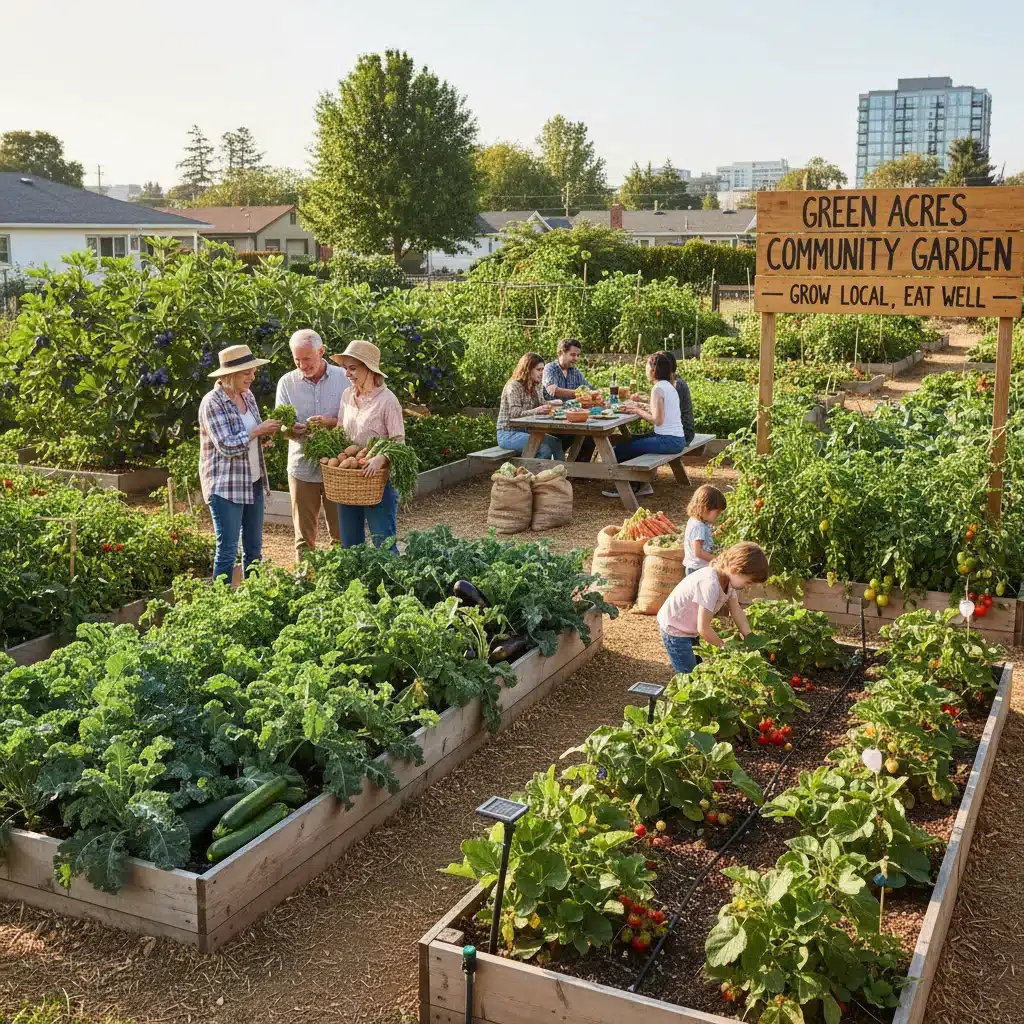
Community gardens can be a fantastic way to access fresh produce, learn gardening skills, and connect with your community. Some gardens allow participants to harvest produce for free, while others may offer plots for a small fee. Additionally, many communities offer free or low-cost meal programs, especially for children and seniors, which can supplement your household’s food supply. These initiatives can be a wonderful complement to your Food Assistance Benefits.
Advocacy and Future Outlook for Food Assistance in 2026
The landscape of Food Assistance Benefits is not static. Advocacy efforts play a crucial role in shaping future policies and ensuring that programs remain responsive to the needs of vulnerable populations. Staying informed about legislative changes and supporting organizations that champion food security can contribute to a more robust system for everyone.
Staying Informed and Engaging with Policy
Government websites, non-profit organizations focused on food security, and local advocacy groups are excellent sources for staying up-to-date on potential policy changes, new initiatives, and opportunities to provide feedback. Your voice, combined with others, can influence decisions that impact Food Assistance Benefits.
The Role of Technology and Innovation
Looking ahead to 2026 and beyond, technology is expected to play an even greater role in food assistance. This could include more sophisticated online application systems, mobile apps for managing benefits, and innovative solutions for food distribution. These advancements aim to make accessing Food Assistance Benefits more efficient and user-friendly.
Conclusion: Empowering Your Household with Maximized Food Assistance Benefits
Navigating the world of Food Assistance Benefits in 2026 requires diligence, knowledge, and strategic action. By understanding the eligibility criteria, meticulously reporting your income and expenses, leveraging all available deductions, and exploring supplementary resources, your household can significantly increase its food assistance support. The goal is to not only secure benefits but to optimize them, ensuring your family has consistent access to nutritious food. Remember, every detail matters, and proactive engagement with the system can lead to up to a 15% increase in your overall benefits. Take the time to educate yourself, gather your documents, and apply with confidence. Your family’s food security is paramount, and with these insider strategies, you are well-equipped to achieve it.
Author