Early College Programs 2026: Earn 15+ Credits Before High School Graduation

Anúncios
Are you a high school student, or the parent of one, looking for an edge in the increasingly competitive world of higher education? Imagine graduating high school not just with a diploma, but with a significant head start on your college degree – perhaps 15 or more college credits already under your belt. This isn’t a futuristic dream; it’s the reality of early college programs, and they are becoming more accessible and impactful than ever as we look towards 2026 and beyond. In this comprehensive guide, we’ll delve deep into how these programs work, why they are a game-changer for students, and what you need to know to maximize your potential to earn substantial early college credits.
The landscape of education is constantly evolving. With rising tuition costs and the demand for a highly skilled workforce, the pressure on students to excel and complete their education efficiently is immense. Early college programs offer a compelling solution, allowing motivated high schoolers to accelerate their academic journey, save money, and gain invaluable experience. By strategically earning early college credits, students can enter university as sophomores or even juniors, reducing their overall time and financial commitment to a bachelor’s degree.
Anúncios
This article will serve as your ultimate resource for understanding the nuances of early college programs in 2026. We will explore the various types of programs available, highlight the myriad benefits for students and families, discuss potential challenges, and provide actionable strategies for selecting the right program and excelling within it. Our goal is to empower you with the knowledge to make informed decisions and unlock the full potential of earning early college credits before high school graduation.
What Exactly Are Early College Programs?
Early college programs encompass a range of initiatives designed to allow high school students to earn college credit. These are not merely advanced placement (AP) courses, though AP can be a component. Instead, they often involve direct enrollment in college-level courses, either on a college campus, at the high school, or online. The core idea is to bridge the gap between high school and higher education, providing a smoother transition and a significant academic advantage.
The term ‘early college’ is broad, covering several distinct models. Understanding these models is crucial for identifying the best fit for a student’s academic goals and learning style. As we approach 2026, these programs are becoming more sophisticated and integrated, offering diverse pathways for students to accumulate valuable early college credits.
Anúncios
Types of Early College Programs
- Dual Enrollment (DE) Programs: This is arguably the most common and accessible form of early college. Students enroll in college courses while still attending high school. These courses can be taught by college professors on a college campus, by qualified high school teachers at the high school, or through online platforms. Upon successful completion, students earn both high school and college credit simultaneously. Dual enrollment is an excellent way to gain early college credits without leaving the familiar high school environment entirely.
- Early College High Schools (ECHS): ECHSs are innovative high schools designed specifically to integrate high school and college curricula. Students typically spend four to five years in these programs, starting in ninth grade, and can earn an associate’s degree or up to 60 college credits by the time they graduate high school. These schools often target underserved populations and provide significant support to ensure student success.
- Concurrent Enrollment: Similar to dual enrollment, concurrent enrollment often refers to college courses taught by high school faculty who have been certified as adjunct professors by a partner college or university. The key distinction is often in the administrative and funding models, but the outcome – earning college credit – is the same.
- Collegiate High Schools: These are specialized high schools located directly on a college campus. Students attend all their classes at the college, effectively immersing themselves in a university environment from a young age. This model offers a truly integrated experience, allowing students to accrue substantial early college credits.
- Advanced Placement (AP) and International Baccalaureate (IB) Programs: While not strictly ‘early college programs’ in the same vein as direct college enrollment, AP and IB courses offer college-level curricula in high school. Students can earn college credit by achieving qualifying scores on standardized exams. Many universities grant credit for these scores, making them a popular route for earning early college credits. However, the credit acceptance policies vary widely by institution.
- Online Early College Programs: The rise of online learning has significantly expanded access to early college opportunities. Many colleges and universities offer online dual enrollment courses, allowing students from anywhere to participate and earn early college credits at their own pace and from their own homes. This flexibility is particularly beneficial for students in rural areas or those with demanding schedules.
The Transformative Benefits of Earning 15+ Early College Credits
The decision to pursue early college credits is a strategic one that can yield a multitude of advantages for students and their families. Earning 15 or more credits before high school graduation is a significant achievement that sets a student on a path to academic and financial success.
Financial Savings: A Major Advantage
One of the most compelling reasons to pursue early college credits is the substantial financial savings. College tuition costs continue to escalate, making any opportunity to reduce the overall expense highly attractive. By earning credits in high school, students effectively pay less for their degree. Dual enrollment courses are often offered at a reduced rate, or even free, through partnerships between high schools and colleges. For instance, if a student earns 15 credits at a community college rate of, say, $100 per credit hour instead of a four-year university rate of $500 per credit hour, the savings quickly add up. Over 15 credits, this could mean saving $6,000 or more on tuition alone, not to mention the potential savings on room, board, and fees if it means graduating college earlier.
Accelerated Degree Completion
With 15 or more credits already completed, students can enter college with sophomore standing. This acceleration means they can potentially graduate from a four-year university in three or three-and-a-half years, saving not only tuition money but also a year’s worth of living expenses. For those who wish to pursue advanced degrees, this head start allows them to begin graduate studies sooner, further accelerating their career path. The ability to complete a bachelor’s degree more quickly can also mean entering the workforce earlier, providing a significant advantage in terms of earning potential and career progression.
Smoother Transition to College
The leap from high school to college can be daunting. Early college programs, especially those that involve taking courses on a college campus, provide an invaluable opportunity for students to experience the rigor and independence of college-level academics in a supportive environment. They learn how to navigate a college syllabus, manage their time effectively, study for college exams, and interact with college professors. This exposure builds confidence and reduces the culture shock often associated with the first year of university, leading to higher rates of retention and success in college. Students who earn early college credits often feel more prepared and less overwhelmed when they officially begin their freshman year.
Enhanced Academic Rigor and Challenge
For academically motivated students, high school curricula may sometimes feel less challenging. Early college programs offer an opportunity to engage with more advanced material and develop critical thinking skills at a higher level. This increased rigor can be intellectually stimulating and better prepare students for the demands of a university education. It also allows students to explore potential majors and career paths earlier, helping them make more informed decisions about their academic future.
Competitive College Applications
In a competitive college admissions landscape, demonstrating the ability to succeed in college-level coursework is a significant advantage. Earning early college credits shows admissions committees that a student is not only capable but also highly motivated and prepared for the challenges of higher education. It can significantly strengthen a college application, making a student stand out from their peers.
Exposure to College Resources and Environment
Participating in early college programs often grants students access to college resources such as libraries, tutoring centers, and academic advising. This early exposure helps them become familiar with the support systems available in higher education, which can be crucial for their success once they formally enroll in college. Furthermore, for programs on college campuses, students get a taste of college life, helping them decide if a particular institution or type of environment is the right fit for them.
Navigating the Landscape: Choosing the Right Early College Program for 2026
With various options available, selecting the right early college program requires careful consideration. What might be perfect for one student could be less ideal for another. As we look towards 2026, it’s important to consider factors like program structure, course availability, and college acceptance policies.
Factors to Consider When Choosing a Program
- Student Readiness: Is the student academically prepared for college-level work? Early college courses demand strong time management, independent study habits, and a solid foundation in the subject matter. It’s crucial to assess if the student is mature enough to handle the increased academic rigor and responsibility.
- Cost and Financial Aid: Investigate the cost of the program. Some dual enrollment courses are free, while others have tuition fees, albeit often reduced. Inquire about scholarships or financial aid specifically for early college students.
- Course Transferability: This is paramount. Always confirm with the prospective college or university if the early college credits will transfer and how they will be applied to the student’s degree plan. A credit is only valuable if it counts! Many institutions have clear policies on accepting dual enrollment or AP/IB credits.
- Program Structure and Location: Does the program take place at the high school, on a college campus, or online? Consider the logistical implications, such as transportation, scheduling, and the student’s comfort level with different learning environments.
- Academic Support: What kind of support is available to early college students? Are there dedicated advisors, tutoring services, or mentorship programs? A strong support system can make a significant difference in student success.
- Curriculum and Course Offerings: Does the program offer courses that align with the student’s interests and potential major? Earning credits in general education requirements is often a safe bet, but some students may want to explore specific fields.
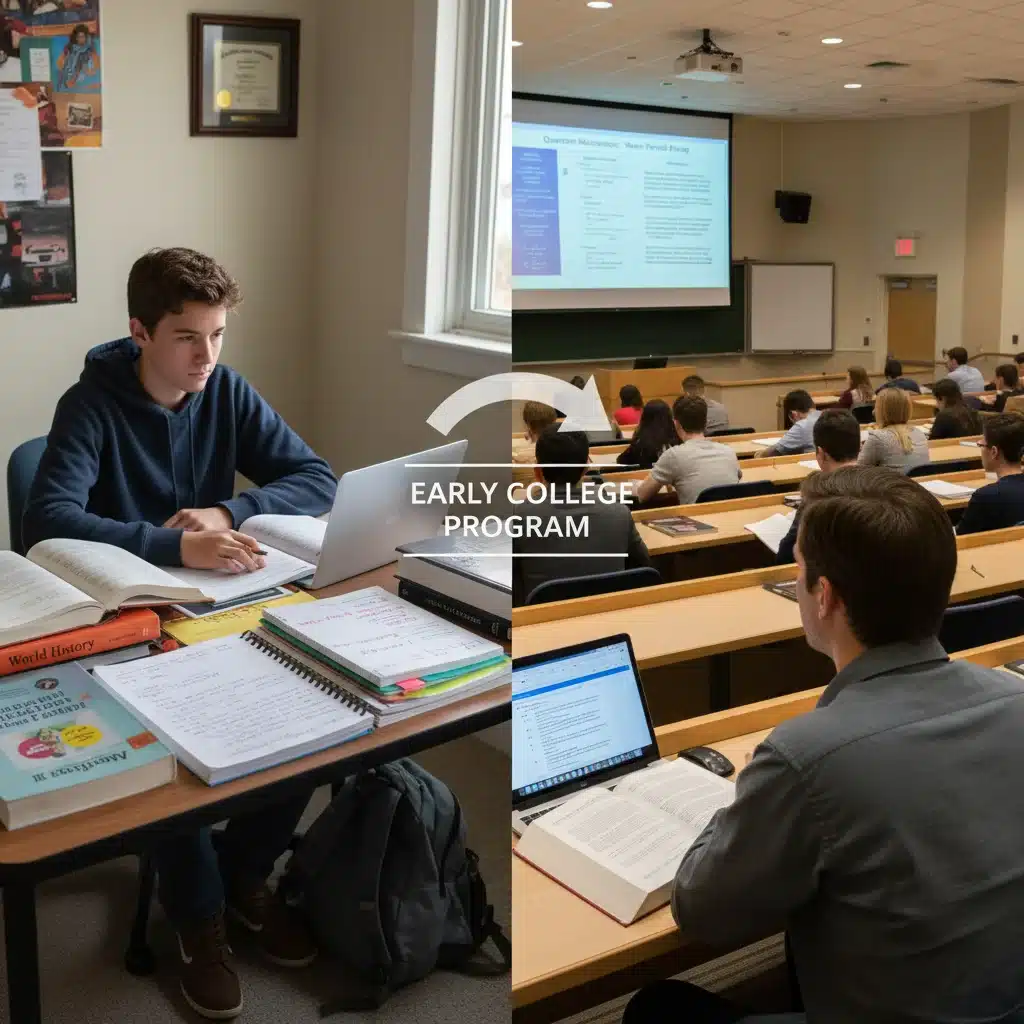
Strategies for Success in Early College Programs
Enrolling in an early college program is just the first step. To truly succeed and maximize the benefits of earning early college credits, students need to adopt specific strategies. The college environment is different from high school, and adapting to these differences is key.
Develop Strong Time Management Skills
College courses often have fewer contact hours than high school classes, but they demand significantly more independent study time. Students must learn to balance their high school commitments, early college coursework, extracurricular activities, and social life. Using planners, setting study schedules, and breaking down large assignments into smaller tasks are crucial skills.
Embrace Independent Learning
Unlike high school, where teachers often provide constant reminders and structure, college professors expect students to take initiative. This means actively reading the syllabus, seeking clarification when needed, and proactively engaging with course material. Students should learn to be self-starters and manage their own learning process.
Utilize Academic Support Services
Colleges offer a wealth of support services, including writing centers, math labs, and tutoring. Early college students should not hesitate to take advantage of these resources. Asking for help is a sign of strength, not weakness, and can be instrumental in mastering challenging concepts.
Communicate with Instructors
Building a rapport with college professors is beneficial. Students should attend office hours, ask thoughtful questions, and participate in class discussions. Effective communication with instructors can lead to better understanding of course material, potential research opportunities, and valuable mentorship.
Understand College-Level Expectations
College assignments often require more in-depth analysis, critical thinking, and research than high school work. Students should familiarize themselves with academic integrity policies, citation styles (e.g., MLA, APA), and the standards for college-level writing and research. Professors will expect a higher level of intellectual engagement and independent thought.
Prioritize Well-being
Balancing high school and college coursework can be stressful. It’s important for students to prioritize their mental and physical well-being. This includes getting enough sleep, eating healthy, exercising, and making time for relaxation and hobbies. Burnout can quickly derail academic progress.
The Future of Early College Programs in 2026 and Beyond
As we look to 2026, early college programs are poised for continued growth and innovation. The demand for affordable and efficient pathways to higher education will only increase, driving institutions to expand their offerings and improve accessibility.
Increased Online and Hybrid Options
The pandemic accelerated the adoption of online learning, and this trend will undoubtedly continue for early college programs. More institutions will offer flexible online and hybrid models, making it easier for students from diverse backgrounds and locations to earn early college credits. This expansion will democratize access and allow more students to participate without geographical constraints.
Stronger Partnerships Between High Schools and Colleges
The success of early college programs hinges on robust partnerships. We can expect to see even more formalized agreements between K-12 districts and higher education institutions, leading to better curriculum alignment, streamlined credit transfer processes, and enhanced student support services. These collaborations will ensure that the early college credits earned are truly valuable and transferable.
Focus on Career Pathways and Workforce Development
Beyond general education credits, there will likely be an increased emphasis on early college programs that align with specific career pathways and in-demand industries. For example, programs in STEM fields, healthcare, and skilled trades could allow students to earn industry certifications or specialized college credits that directly lead to employment or further specialized study. This approach will make early college programs even more attractive to students seeking clear career trajectories.
Expanded Financial Support and Equity Initiatives
To address educational equity, there will be a continued push for increased funding and support for early college programs, especially for students from low-income backgrounds or underrepresented groups. More scholarships, grants, and state-funded initiatives will aim to make earning early college credits accessible to all motivated students, regardless of their socioeconomic status.
Personalized Learning Pathways
Technology will play an increasingly important role in creating personalized learning pathways within early college programs. AI-powered tools could help identify student strengths and weaknesses, recommend appropriate courses, and provide tailored academic support, making the experience even more effective and individualized.

Potential Challenges and How to Overcome Them
While the benefits are numerous, it’s also important to acknowledge potential challenges associated with early college programs. Being aware of these can help students and families prepare and mitigate risks.
Academic Overload and Stress
Taking college courses alongside a full high school schedule can lead to academic overload and stress. It’s crucial to assess a student’s capacity and avoid taking on too much too soon. A gradual approach, perhaps starting with one course, can be more effective than jumping into a full load.
Social and Developmental Considerations
High school is a unique developmental period. Some students might feel socially isolated if they spend a significant amount of time on a college campus away from their high school peers. For younger students, the social environment of a college campus might also be a consideration. Finding a balance between academic acceleration and typical high school experiences is important.
Credit Transfer Issues
As mentioned, credit transferability is a critical concern. While many public universities readily accept dual enrollment credits from in-state community colleges, private institutions or out-of-state universities might have stricter policies or may only accept credits for general education requirements. Always verify specific credit transfer policies with each prospective college.
Impact on High School GPA and Rank
Depending on the high school’s policies, early college courses might be weighted differently or not factored into the high school GPA or class rank. Students and parents should understand how these courses will affect their high school academic record.
Cost of Textbooks and Materials
Even if tuition is reduced or waived, students might still be responsible for the cost of textbooks, lab fees, and other materials, which can be significant. Factor these potential costs into your planning.
Conclusion: Seizing the Opportunity for Early College Credits in 2026
The opportunity to earn 15 or more early college credits before high school graduation is a powerful tool for academic and financial advancement. As we move into 2026, these programs are becoming more sophisticated, accessible, and aligned with future educational and workforce needs.
By carefully considering the various program types, understanding the profound benefits, and adopting effective strategies for success, high school students can gain a significant head start on their higher education journey. The financial savings, accelerated degree completion, smoother transition to college, and enhanced academic preparedness all contribute to a more positive and efficient educational experience.
For parents and students alike, the key is proactive research, open communication with high school counselors and college admissions offices, and a clear understanding of personal academic goals. Embracing early college programs is not just about accumulating credits; it’s about building a stronger foundation for lifelong learning and future success. Start exploring your options today and unlock the immense potential of earning early college credits.
Author