Early childhood education: why it matters for your child

Anúncios
Engaging activities in early childhood education enhance children’s social, emotional, and cognitive development, making learning enjoyable and effective through play, structured group work, and creative projects.
Early childhood education plays a crucial role in shaping your child’s future. Have you ever thought about how these formative years influence their development? In this article, we’ll dive into its significance and explore what to look for in quality programs.
Anúncios
What is early childhood education?
Early childhood education refers to the period of learning that occurs from birth to eight years old. This stage is crucial as it lays the foundation for a child’s emotional, social, and cognitive development.
During these formative years, children are eager to explore the world around them. They learn best through play and interaction. It’s essential to provide them with a positive environment that stimulates their curiosity and creativity.
Anúncios
Key components of early childhood education
Several aspects make early childhood education effective and beneficial:
- Interactive Learning: Children engage with their peers and teachers, fostering important social skills.
- Structured Curriculum: A well-designed curriculum includes various learning areas such as literacy, math, and arts.
- Play-Based Activities: Learning through play helps children grasp complex concepts in a fun and relatable way.
- Emotional Support: A nurturing environment encourages emotional development and security.
Besides formal education, early childhood education also involves parents and caregivers. Their role in nurturing and supporting learning is vital. By reading to children, encouraging exploration, and engaging in conversations, they help build a solid educational foundation.
Moreover, programs may vary widely. Some focus on specific teaching methods, while others integrate technology or community resources. Choosing the right program can depend on a child’s unique needs and the family’s values.
The importance of early childhood education
Research shows that children who participate in quality early childhood education programs tend to perform better in school. They also exhibit stronger social skills and better emotional well-being. This early intervention can significantly impact a child’s future opportunities.
Key benefits of early childhood education

The key benefits of early childhood education extend far beyond basic knowledge. These programs play an essential role in shaping children’s future. They offer various advantages that support children’s overall development during their formative years.
Enhanced Social Skills
One major benefit is the improvement of social skills. Children learn how to interact with peers and adults in structured settings. This helps them understand sharing, teamwork, and empathy.
- Learning to listen to others
- Developing conflict resolution skills
- Building friendships
Furthermore, these interactions boost their confidence and self-esteem, allowing them to express themselves better.
Cognitive Development
Another significant advantage is enhanced cognitive development. Early childhood education exposes children to various learning activities. These activities stimulate their brains, fostering critical thinking and problem-solving skills.
Engaging in learning through play allows children to explore different concepts in a fun way. For instance, activities like puzzles and storytelling help sharpen their cognitive abilities.
Preparation for Future Learning
Children who attend early childhood education programs often perform better in later grades. They develop foundational skills in literacy and math, giving them a head start in school. This background makes the transition to formal schooling much smoother.
Moreover, early exposure to a rich learning environment encourages a lifelong love for learning. This eagerness often translates into academic success in later years.
Emotional Development
Early childhood education also benefits emotional development significantly. Children learn to regulate their emotions and understand the feelings of others. These skills are crucial for their overall well-being.
Through guided experiences and classroom activities, children gain resilience and learn to cope with challenges, setting them up for a healthy emotional future.
How to choose the right program for your child
Choosing the right program for your child is an important decision. With so many options in early childhood education, it can be overwhelming. However, knowing what to look for can make the process easier.
Consider Your Child’s Needs
The first step is to assess your child’s unique needs and interests. Every child is different, and understanding their personality can guide your choice. For example, if your child is shy, a smaller class size might be ideal, while a more active child may thrive in a program with lots of physical activities.
Look Into Program Types
There are various types of early childhood programs available, including:
- Montessori: Focuses on child-led learning and independent work.
- Play-Based: Emphasizes learning through play and exploration.
- Reggio Emilia: Encourages self-expression and collaborative projects.
Each program has its strengths, so consider what aligns best with your child’s learning style.
Evaluate the Curriculum
Next, take a closer look at the curriculum. High-quality programs offer a well-rounded curriculum that promotes not just academics, but also physical, social, and emotional development. Ensure that the program incorporates activities that foster creativity, critical thinking, and collaboration.
Additionally, ask about the types of activities your child will engage in. Activities like art, music, and outdoor play are essential components of a well-rounded education.
Check Qualifications of Educators
The educators in the program play a significant role in your child’s experience. Look for programs staffed with qualified teachers who have training in early childhood education. Experienced educators not only provide quality instruction but also create a nurturing environment.
Ask about the teacher-to-child ratio as well; lower ratios often mean more attention for each child, which can enhance their learning experience.
Visit the Facility
Before making a decision, visiting the facility can provide invaluable insights. Observe how the staff interacts with the children and how the children engage with each other. A safe, welcoming environment is crucial for fostering a positive learning experience.
While visiting, pay attention to the cleanliness of the facility and the organization of learning materials. These factors contribute to the overall quality of the program.
Engaging activities for early childhood education
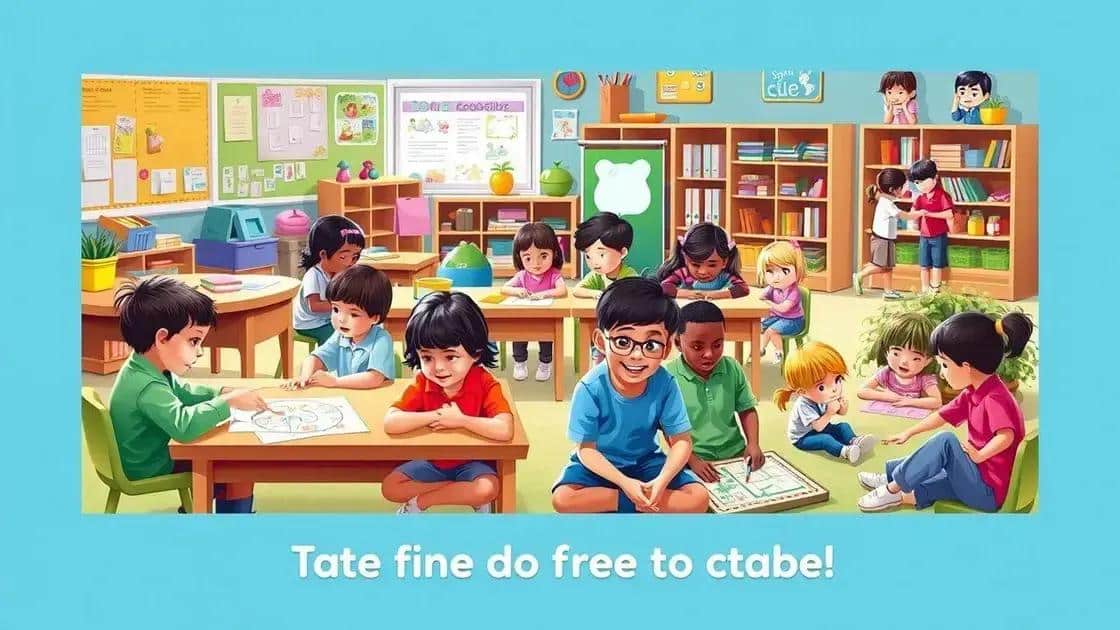
Engaging activities in early childhood education are vital for fostering children’s development. These activities help children learn while having fun and exploring their creativity.
Benefits of Engaging Activities
When children participate in fun and interactive activities, they are more likely to be motivated to learn. Such activities can enhance their critical thinking, problem-solving skills, and social interactions.
Play-Based Learning
One of the most effective methods of early education is through play-based learning. Activities like building blocks, arts and crafts, and pretend play help children explore new concepts in a familiar and enjoyable way. Here are some popular play-based activities:
- Art Projects: Encourage children to express themselves through painting, drawing, and crafting.
- Storytelling: Reading stories together helps improve language and listening skills.
- Outdoor Play: Activities like playing tag, climbing, and running help develop motor skills.
Integrating play into learning makes it more impactful, allowing children to absorb knowledge while enjoying themselves.
Structured Group Activities
In addition to play, structured group activities can significantly benefit children by facilitating teamwork and collaboration. Games that require children to work together can foster a sense of community. Examples of such activities could include:
- Group Games: Simple games like scavenger hunts or team building exercises encourage cooperation.
- Music and Movement: Incorporating songs and dances promotes physical coordination and rhythm.
- Science Experiments: Simple hands-on experiments can spark curiosity and interest in science.
These experiences make learning more interactive and help children understand the value of teamwork.
Theme-Based Units
Another engaging approach to early childhood education is through theme-based units. These units allow children to explore specific topics in depth. For instance, a “nature” theme might involve outdoor science walks, nature crafts, and stories about animals. This immersive approach encourages exploration and deepens understanding.
Encouraging children to ask questions during these activities can stimulate their natural curiosity and critical thinking skills, promoting an active learning environment.
FAQ – Frequently Asked Questions about Early Childhood Education
What is early childhood education?
Early childhood education refers to the teaching and learning that takes place between birth and eight years old, focusing on holistic development.
Why are engaging activities important in early childhood education?
Engaging activities are crucial as they promote learning, ignite curiosity, and foster social and emotional growth in children.
How can I choose the right early childhood education program for my child?
To choose the right program, consider your child’s needs, review the curriculum, and look for qualified teachers and engaging activities.
What types of activities should I look for in early childhood programs?
Look for programs that offer play-based learning, structured group activities, arts and crafts, and theme-based learning to enhance engagement.