Cybersecurity Threats 2026: Government Warnings & National Infrastructure Protection
Anúncios
Understanding Cybersecurity Threats 2026: Government Warnings and Protecting National Infrastructure (RECENT UPDATES)
Anúncios
As we advance deeper into the digital age, the landscape of global security is increasingly defined by the battle in cyberspace. The year 2026 is poised to present an unprecedented array of challenges, with cybersecurity threats 2026 becoming more sophisticated, persistent, and impactful. Governments worldwide are issuing urgent warnings, emphasizing the critical need to bolster defenses around national infrastructure. This comprehensive article delves into the projected cybersecurity threats for 2026, dissecting government advisories, exploring emerging attack vectors, and outlining robust strategies for safeguarding the very foundations of our societies.
The digital transformation, while offering immense opportunities for innovation and progress, simultaneously expands the attack surface for malicious actors. From state-sponsored groups to organized cybercriminal syndicates and even individual hacktivists, the motivations behind these attacks are diverse, ranging from espionage and sabotage to financial gain and ideological disruption. Protecting national infrastructure – encompassing everything from energy grids and water treatment facilities to financial systems and communication networks – is no longer merely an IT concern; it is a matter of national security and public safety.
Recent updates from leading cybersecurity agencies and intelligence communities paint a concerning picture. They highlight a significant shift towards more targeted, evasive, and highly destructive cyber operations. The convergence of advanced persistent threats (APTs), artificial intelligence (AI) in offensive operations, and the proliferation of interconnected devices (IoT) creates a complex web of vulnerabilities that demand proactive and adaptive defense mechanisms. This article aims to equip readers with a thorough understanding of these dynamics, providing insights into what to expect and, more importantly, how to prepare.
Anúncios
The Evolving Landscape of Cybersecurity Threats 2026
The nature of cyber warfare is constantly evolving, and 2026 will undoubtedly bring new iterations of familiar threats alongside entirely novel challenges. Understanding these evolving cybersecurity threats 2026 is the first step towards effective defense. We are moving beyond simple data breaches to attacks designed for systemic disruption and long-term infiltration.
Advanced Persistent Threats (APTs) Reaching New Heights
APTs are not new, but their sophistication is escalating. By 2026, state-sponsored groups are expected to leverage even more advanced techniques, including zero-day exploits, supply chain compromises, and highly targeted social engineering campaigns. Their objectives often include intellectual property theft, espionage, and laying groundwork for future sabotage of critical infrastructure. These groups exhibit extreme patience and resourcefulness, often remaining undetected within networks for extended periods, making their discovery and eradication exceptionally challenging.
The Weaponization of Artificial Intelligence and Machine Learning
While AI and ML are powerful tools for defense, they are equally potent in the hands of attackers. By 2026, we anticipate seeing AI-powered malware capable of autonomous learning and adaptation, making traditional signature-based detection methods obsolete. AI can be used to craft highly convincing phishing emails, automate reconnaissance, discover vulnerabilities at scale, and even dynamically evade security measures. This arms race between offensive and defensive AI will be a defining characteristic of the cybersecurity landscape.
Supply Chain Attacks: A Growing Vector of Concern
The interconnectedness of global supply chains presents a significant vulnerability. A compromise in one vendor’s software or hardware can ripple through countless organizations, including government agencies and critical infrastructure operators. By 2026, supply chain attacks are expected to be a primary method for gaining initial access, as attackers target less secure links in the chain to reach high-value targets. The SolarWinds attack serves as a stark reminder of the devastating potential of such breaches.
Ransomware 3.0: More Destructive, More Targeted
Ransomware continues to evolve. In 2026, we can expect ‘Ransomware 3.0’ – highly targeted attacks focusing on critical infrastructure and essential services, demanding exorbitant ransoms, and employing ‘double extortion’ (exfiltrating data before encryption to add pressure). These attacks will likely be more destructive, potentially incorporating wiper malware capabilities to cause irreversible damage even if the ransom is paid. The potential for these attacks to disrupt essential services, such as healthcare or energy, is a major concern.
IoT Vulnerabilities and the Edge Computing Explosion
The proliferation of Internet of Things (IoT) devices, from smart city sensors to industrial control systems (ICS), creates a vast and often insecure attack surface. Many IoT devices lack robust security features, making them easy targets for botnets or entry points into broader networks. As edge computing expands, processing data closer to its source, the security of these distributed environments becomes paramount. A compromised smart device could provide a gateway to a critical infrastructure network, posing significant cybersecurity threats 2026.
Government Warnings and Proactive Measures
Governments globally are acutely aware of these escalating threats and are actively issuing warnings and implementing strategies to mitigate risks. These warnings are not merely advisory; they often come with recommendations and, in some cases, mandates for critical sectors.
United States: CISA and NIST Frameworks
The Cybersecurity and Infrastructure Security Agency (CISA) in the U.S. continues to be at the forefront, issuing regular alerts and guidance on emerging threats. Their ‘Shields Up’ campaign and ‘Known Exploited Vulnerabilities Catalog’ are crucial resources. The National Institute of Standards and Technology (NIST) Cybersecurity Framework remains a foundational guide for organizations to manage and reduce cyber risks, with continuous updates to address new challenges. The U.S. government is also investing heavily in cyber defense research and development, particularly in areas like quantum-resistant cryptography and AI-driven security solutions.
European Union: NIS2 Directive and ENISA
The EU’s Network and Information Systems 2 (NIS2) Directive, set to be fully implemented by 2024, significantly expands the scope of cybersecurity obligations for critical entities and essential services across member states. It aims to harmonize cybersecurity requirements and improve incident response capabilities. The European Union Agency for Cybersecurity (ENISA) plays a vital role in coordinating efforts, conducting threat analyses, and providing guidance to strengthen Europe’s cyber resilience against cybersecurity threats 2026.
United Kingdom: NCSC Advisories and Cyber Strategy
The UK’s National Cyber Security Centre (NCSC) provides expert advice and support for the public and private sectors. Their annual threat reports are invaluable, and they work closely with critical national infrastructure operators to enhance their defenses. The UK’s National Cyber Strategy outlines a comprehensive approach to make the UK the safest place to live and work online, emphasizing both defensive and offensive capabilities.
Australia: ACSC and Critical Infrastructure Laws
The Australian Cyber Security Centre (ACSC) offers guidance and support, regularly publishing alerts on current threats. Australia has also enacted significant legislation to protect critical infrastructure, including mandatory reporting of cyber incidents for specified entities and enhanced regulatory powers to ensure compliance. Their focus is heavily on resilience and rapid recovery from attacks.
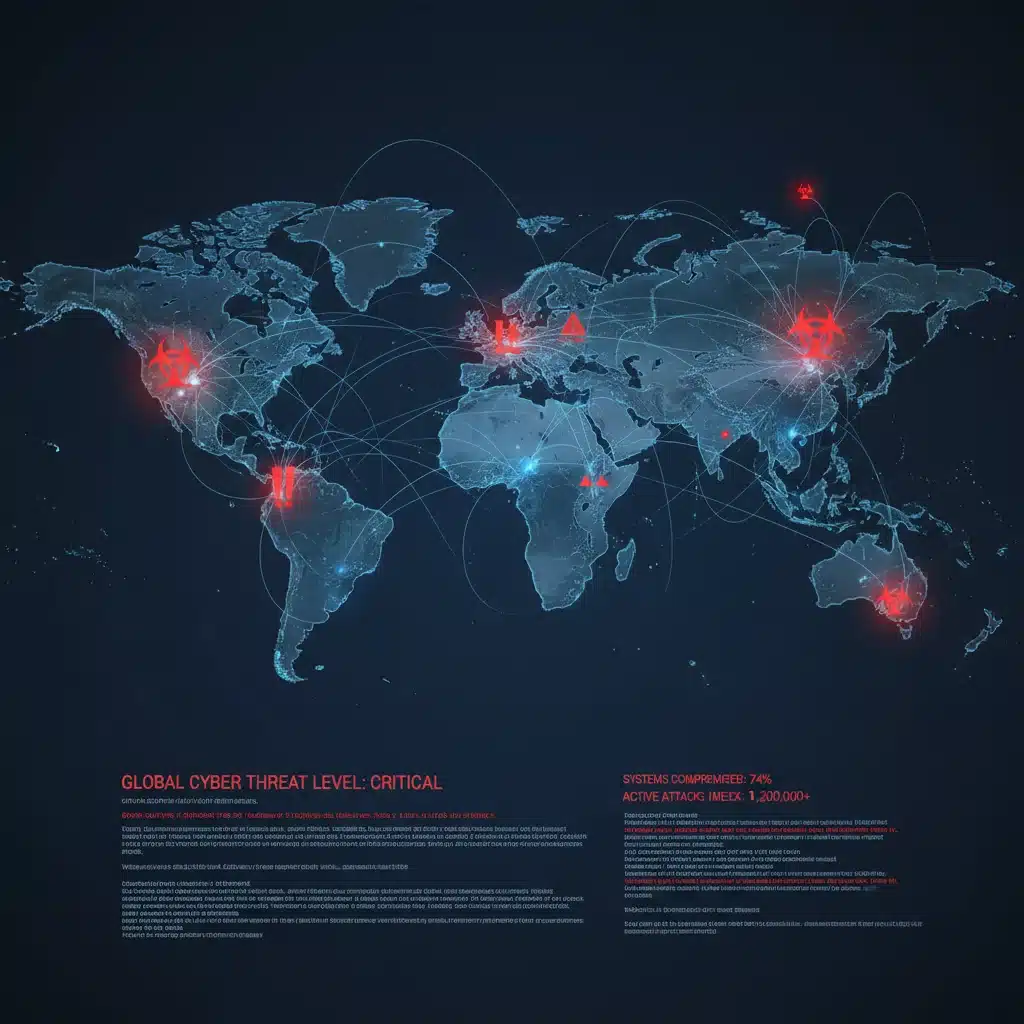
Protecting National Infrastructure from Cybersecurity Threats 2026
Safeguarding national infrastructure requires a multi-faceted approach, combining technological solutions, policy frameworks, and human expertise. The stakes are incredibly high, as disruptions can have cascading effects on society and the economy.
Implementing Zero Trust Architectures
The traditional perimeter-based security model is no longer sufficient against sophisticated APTs. Zero Trust assumes that no user or device, whether inside or outside the network, should be implicitly trusted. Every access request is authenticated, authorized, and continuously validated. Implementing Zero Trust principles across critical infrastructure networks will be paramount to mitigating internal and external threats in 2026.
Enhanced Threat Intelligence Sharing and Collaboration
Effective defense against cybersecurity threats 2026 demands real-time intelligence sharing between government agencies, private sector entities, and international partners. Platforms for sharing indicators of compromise (IOCs), tactics, techniques, and procedures (TTPs) of threat actors can significantly improve detection and response times. Public-private partnerships are crucial for building collective resilience.
Robust Incident Response and Recovery Plans
It’s no longer a matter of IF an organization will be attacked, but WHEN. Therefore, having well-defined, regularly tested incident response and disaster recovery plans is essential. These plans must include clear communication protocols, forensic capabilities, and strategies for rapid restoration of services. Tabletop exercises and simulations can help organizations refine their response capabilities under pressure.
Investing in Operational Technology (OT) Security
Critical national infrastructure heavily relies on Operational Technology (OT) systems, such as SCADA (Supervisory Control and Data Acquisition) and ICS. These systems often have different security requirements and vulnerabilities than traditional IT networks. Securing OT environments requires specialized expertise, network segmentation, continuous monitoring, and strict access controls. The convergence of IT and OT networks also necessitates a holistic security strategy that addresses both domains.
Human Factor: Training and Awareness
Despite technological advancements, the human element remains a significant vulnerability. Comprehensive cybersecurity training and awareness programs for all employees, from front-line operators to senior management, are crucial. This includes training on phishing detection, secure coding practices, password hygiene, and reporting suspicious activities. A strong security culture can transform employees from potential vulnerabilities into the first line of defense.
Leveraging AI and Machine Learning for Defense
While AI can be weaponized, it is also a powerful tool for defense. AI-powered security solutions can analyze vast amounts of data to detect anomalies, identify sophisticated malware, predict potential attacks, and automate response actions much faster than human analysts. Machine learning algorithms can learn from past incidents to improve threat detection and adapt to new attack patterns, making them indispensable in the fight against cybersecurity threats 2026.
Quantum-Resistant Cryptography Research and Adoption
The advent of quantum computing poses a long-term threat to current encryption standards. Governments and critical infrastructure operators must begin researching and investing in quantum-resistant (or post-quantum) cryptography. While practical quantum computers capable of breaking current encryption may still be years away, the transition to new standards will be complex and time-consuming, necessitating early preparation to secure sensitive data for the future.
Emerging Technologies and Their Security Implications
The rapid pace of technological innovation introduces both new capabilities and new security challenges. Understanding these implications is key to anticipating and mitigating future cybersecurity threats 2026.
5G Networks and Their Expanded Attack Surface
The rollout of 5G networks promises unprecedented speed and connectivity, but also significantly expands the attack surface. With more devices connected and greater reliance on software-defined networking, securing 5G infrastructure is paramount. Potential vulnerabilities in network slicing, edge computing, and the sheer volume of connected devices could be exploited by malicious actors, impacting everything from communication to autonomous vehicles.
The Metaverse and Web3 Security Concerns
As the concepts of the metaverse and Web3 gain traction, new security and privacy challenges emerge. These decentralized environments, often built on blockchain technology, introduce novel attack vectors related to smart contract vulnerabilities, identity management in virtual worlds, and the security of digital assets (NFTs, cryptocurrencies). Protecting users and ensuring the integrity of these nascent digital ecosystems will be a growing concern for cybersecurity threats 2026.
Biometric Security and Privacy
Biometric authentication is becoming more common, offering convenience and enhanced security. However, the compromise of biometric data (fingerprints, facial scans) could have irreversible consequences. Ensuring the secure storage, processing, and transmission of biometric information, along with robust fallback authentication methods, will be critical. The privacy implications of widespread biometric use also need careful consideration.
The Role of International Cooperation
Cybersecurity is a global challenge that transcends national borders. No single nation can effectively combat sophisticated cyber threats alone. International cooperation is therefore essential for sharing threat intelligence, coordinating law enforcement efforts, developing common standards, and building collective cyber defense capabilities.
Treaties and Agreements
International treaties and agreements, such as the Budapest Convention on Cybercrime, provide frameworks for cross-border collaboration in investigations and legal responses to cyber offenses. Expanding and strengthening these agreements will be vital in creating a more secure global cyberspace.
Joint Cyber Exercises
Regular joint cyber defense exercises involving multiple nations and critical sectors can help improve interoperability, test response plans, and build trust among international partners. These exercises simulate real-world attack scenarios, allowing participants to refine their skills and coordination mechanisms against complex cybersecurity threats 2026.
Capacity Building in Developing Nations
Strengthening the cybersecurity capabilities of developing nations is crucial for global cyber resilience. Attackers often exploit weaknesses in less secure regions to launch attacks or establish command-and-control infrastructure. International programs that provide training, technology, and policy guidance can help elevate global cybersecurity standards.
Conclusion: A Call for Proactive Resilience
The year 2026 will undoubtedly test the resilience of nations and organizations against an increasingly complex and aggressive array of cybersecurity threats. Government warnings serve as critical alarms, urging immediate and sustained action. Protecting national infrastructure is not a static endeavor but an ongoing, dynamic process that requires continuous adaptation, investment, and collaboration.
By understanding the evolving threat landscape, embracing proactive security measures like Zero Trust, investing in OT security, fostering a strong security culture, and leveraging advanced defensive technologies, we can build more resilient systems. The human element, combined with cutting-edge technology and robust international partnerships, will be our strongest defense against the cybersecurity threats 2026 and beyond. The future of our digital societies hinges on our collective ability to anticipate, defend against, and rapidly recover from cyberattacks.
The time for complacency is over. The digital battleground is here, and preparedness is the ultimate weapon. Organizations and governments must prioritize cybersecurity, embedding it into every aspect of their operations and strategic planning. Only through a unified and vigilant approach can we safeguard our national infrastructure and ensure a secure digital future for all.
Author