3-Month SAT/ACT Prep: Maximize Your 2025 Test Chances

Anúncios
A successful 3-month standardized test preparation plan for SAT/ACT in 2025 involves strategic planning, consistent practice, and targeted content review to significantly improve scores and enhance college admission prospects.
Anúncios
Are you aiming for top scores on the SAT or ACT in 2025? Understanding how to strategically approach your studies is crucial. This comprehensive guide will walk you through a detailed
3-month test prep plan designed to maximize your chances of success, offering practical solutions for every stage of your journey.
Anúncios
Understanding the SAT and ACT: Key Differences and Your Choice
Before diving into any preparation, it is essential to understand the fundamental differences between the SAT and ACT. While both are standardized tests used for college admissions, their structures, content emphasis, and timing vary significantly. Making an informed decision about which test to take can be the first step towards a more efficient and effective study plan.
The SAT, traditionally seen as a reasoning test, focuses heavily on evidence-based reading and writing, as well as math with and without a calculator. It emphasizes critical thinking and problem-solving skills. The ACT, on the other hand, is often described as a curriculum-based achievement test, covering English, Math, Reading, and Science, with a greater focus on content knowledge and speed.
SAT vs. ACT: Structure and Content
The SAT consists of two main sections: Evidence-Based Reading and Writing, and Math. The Reading section requires analyzing passages, while the Writing and Language section tests grammar and expression. The Math section includes algebra, problem-solving, data analysis, and advanced math concepts. The ACT, however, includes a Science section that tests data interpretation, experimental design, and scientific reasoning, which is unique among the two tests.
- SAT Reading: Focuses on interpreting complex texts and identifying evidence.
- ACT Science: Requires quick analysis of scientific passages and graphs.
- SAT Math: Emphasizes algebraic concepts and problem-solving.
- ACT English: Tests grammar, punctuation, and rhetorical skills.
Consider taking a diagnostic test for both the SAT and ACT to determine which format aligns better with your strengths. This initial assessment will provide valuable insight into where you stand and help you decide which test to concentrate your efforts on. This foundational understanding is critical for any successful 3-month test prep strategy.
Month 1: Building Your Foundation and Diagnostic Assessment
The first month of your 3-month test prep journey is all about establishing a solid foundation. This involves understanding the test format, identifying your strengths and weaknesses, and beginning to build core skills. This initial phase sets the stage for more targeted and intensive study in the subsequent months.
Start by taking a full-length diagnostic test for your chosen exam (SAT or ACT). Treat this practice test as if it were the real thing, adhering to strict time limits and minimizing distractions. This will provide an accurate baseline score and highlight specific areas where you need to improve.
Analyzing Your Diagnostic Results
Once you have completed the diagnostic test, meticulously review your results. Pay close attention to the types of questions you answered incorrectly, not just the raw score. Are there specific math topics that consistently trip you up? Do you struggle with certain types of reading passages? Identifying these patterns is more valuable than just knowing your score.
- Review incorrect answers: Understand why you made mistakes.
- Identify weak areas: Pinpoint specific content gaps.
- Track time management: See where you spent too much or too little time.
- Understand question types: Familiarize yourself with common structures.
Based on your analysis, create a personalized study schedule. Allocate more time to your weaker areas while still maintaining practice in your stronger subjects to keep those skills sharp. Utilize official study guides and reputable online resources for content review. This structured approach during the first month is crucial for effective
3-month test prep.
Month 2: Targeted Practice and Strategy Development
With a solid foundation established in month one, the second month of your
3-month test prep plan shifts focus to targeted practice and strategy development. This is where you begin to apply what you’ve learned and refine your approach to different question types. Consistent, focused effort during this period will yield significant improvements.
Dedicate specific days to each section of the test. For example, Monday could be for Math, Tuesday for Reading, and so on. Within each section, focus on the question types you identified as challenging during your diagnostic analysis. Practice these specific types repeatedly until you feel more confident.
Developing Effective Test-Taking Strategies
Beyond just content knowledge, effective test-taking strategies are paramount. This includes time management techniques, process of elimination, and understanding how to approach different passage types. Many students lose points not due to lack of knowledge, but due to inefficient strategies.
- Time management drills: Practice answering questions within strict time limits.
- Process of elimination: Learn to effectively rule out incorrect answer choices.
- Passage annotation: Develop a system for marking up reading passages.
- Formula memorization: Consolidate key math formulas and concepts.
Regularly incorporate timed practice sections into your study routine. This helps build stamina and familiarity with the pressure of the actual exam. After each practice session, review your answers thoroughly, focusing on understanding the reasoning behind correct answers and learning from your mistakes. This iterative process of practice and review is a cornerstone of successful
3-month test prep.
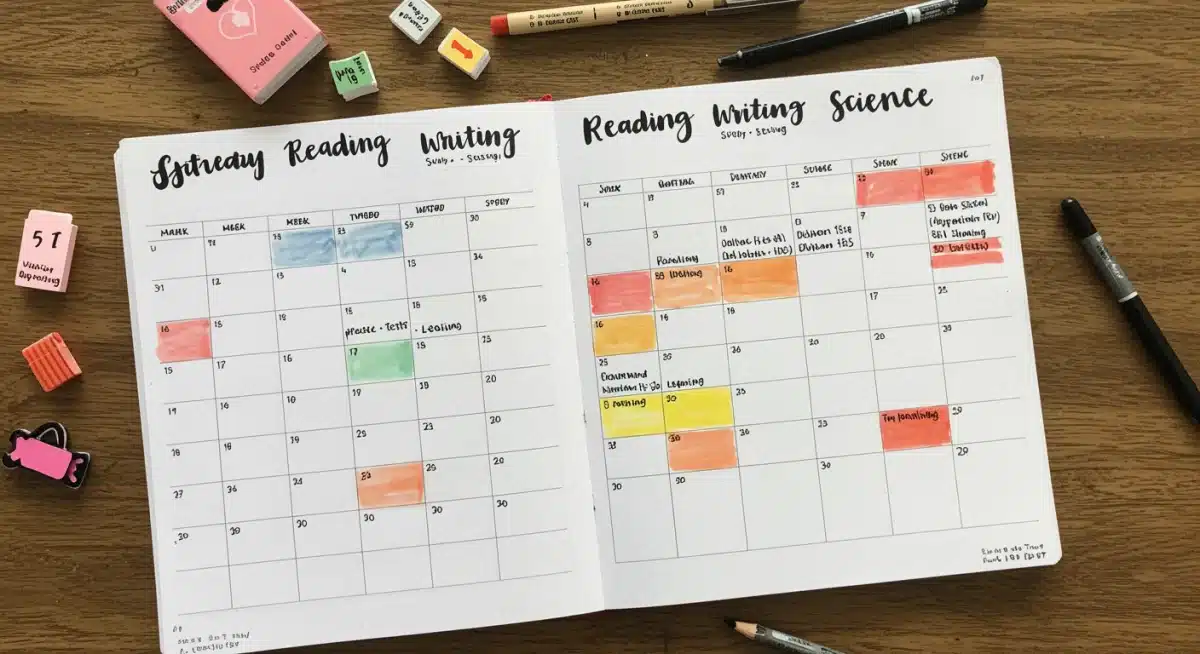
Month 3: Refinement, Full-Length Practice, and Mental Preparation
The final month of your
3-month test prep is dedicated to refining your skills, taking full-length practice tests, and preparing yourself mentally for exam day. This period focuses on consolidating knowledge, identifying any remaining weak spots, and building confidence.
Continue to review challenging topics and question types, but also shift your focus to taking full-length practice tests every week or two. These tests are crucial for simulating exam conditions and building endurance. After each practice test, analyze your performance to identify any persistent errors or areas where you are still losing time.
Simulating Exam Day Conditions
Replicate the actual test environment as closely as possible during your practice tests. This means starting at the same time as the real exam, taking breaks only when allowed, and using only approved materials (e.g., specific calculators). This helps reduce anxiety and makes the actual test day feel more familiar.
- Take full-length tests: Mimic actual exam conditions for endurance.
- Review all answers: Understand every mistake and why it occurred.
- Refine pacing: Adjust your speed for each section based on performance.
- Practice essay (if applicable): Work on structuring and timing your essay.
In addition to academic preparation, mental preparation is vital. Practice mindfulness techniques, ensure you are getting adequate sleep, and maintain a healthy diet. Visualize success and remind yourself of the hard work you’ve put in. The goal is to arrive on test day feeling confident and well-prepared, ready to apply all the strategies learned during your
3-month test prep.
Leveraging Resources: Official Guides, Online Platforms, and Tutors
Successful
3-month test prep doesn’t happen in a vacuum; it relies heavily on leveraging a variety of high-quality resources. The landscape of test preparation is vast, offering everything from official publications to sophisticated online platforms and personalized tutoring. Knowing which resources to prioritize can make a significant difference in your study efficiency and overall score improvement.
Official study guides from the College Board (for SAT) and ACT, Inc. (for ACT) are indispensable. These guides contain real past exams, which are the most accurate representation of what you will encounter on test day. They also often include detailed explanations for answers, providing invaluable learning opportunities.
Exploring Online Preparation Platforms
Beyond official guides, numerous online platforms offer comprehensive preparation. Websites like Khan Academy, in partnership with the College Board, provide free, personalized SAT practice. Other paid platforms, such as UWorld, Kaplan, and Princeton Review, offer extensive question banks, practice tests, and detailed analytics to track your progress.
- Khan Academy: Free, personalized SAT practice with official content.
- UWorld/Kaplan/Princeton Review: Paid platforms with vast resources and analytics.
- Official Test Websites: Access to free practice questions and full-length tests.
- YouTube Channels: Educational content and strategy videos from experts.
For some students, personalized guidance from a tutor can be a game-changer. A good tutor can identify specific weaknesses, provide tailored strategies, and offer motivation and accountability. Whether it’s a few sessions to tackle a particularly difficult concept or ongoing support, tutoring can complement self-study efforts effectively, bolstering your
3-month test prep plan.
Maintaining Well-being and Avoiding Burnout
While intense studying is crucial for effective
3-month test prep, it’s equally important to prioritize your well-being and avoid burnout. Pushing yourself too hard without adequate rest or breaks can lead to diminished returns, increased stress, and even negative impacts on your performance. A balanced approach ensures sustained effort and optimal mental clarity on test day.
Integrate regular breaks into your study schedule. Short breaks every hour (e.g., 5-10 minutes) can help refresh your mind and improve focus. Longer breaks (e.g., 30 minutes to an hour) after a few hours of intensive study are also beneficial. Use these breaks to step away from your study materials completely and engage in activities that help you relax.
Strategies for Mental and Physical Health
Physical activity is an excellent stress reliever. Even a short walk, some stretching, or a quick workout can significantly improve your mood and cognitive function. Adequate sleep is non-negotiable; aim for 7-9 hours of quality sleep per night, especially in the weeks leading up to the exam. Sleep deprivation can severely impair memory, concentration, and problem-solving abilities.
- Schedule regular breaks: Prevents mental fatigue and improves focus.
- Incorporate physical activity: Reduces stress and boosts mood.
- Prioritize sleep: Essential for memory and cognitive function.
- Maintain a balanced diet: Fuels your brain and body effectively.
Don’t forget to maintain a social life and engage in hobbies that you enjoy. These activities provide a necessary mental escape and prevent your entire life from revolving around test prep. A healthy balance will ensure you stay motivated and perform at your best, not just academically but in all aspects of your life. This holistic approach is key to a successful
3-month test prep journey.
| Key Preparation Phase | Focus Activities |
|---|---|
| Month 1: Foundation | Diagnostic testing, identifying strengths/weaknesses, initial content review. |
| Month 2: Targeted Practice | Focused drills on weak areas, strategy development, timed section practice. |
| Month 3: Refinement | Full-length practice tests, mental preparation, final review of challenging concepts. |
| Ongoing: Well-being | Regular breaks, physical activity, adequate sleep, balanced diet. |
Frequently Asked Questions About SAT/ACT Preparation
Yes, a well-structured 3-month plan can be highly effective for many students. It provides ample time for comprehensive content review, strategy development, and consistent practice without leading to excessive burnout. Success largely depends on consistency and the quality of your study methods.
Typically, 10-15 hours per week is a good target for a 3-month plan. This allows for in-depth content review, practice questions, and full-length tests. Adjust this based on your baseline score, target score, and existing academic commitments.
It is generally recommended to focus on one test. Take a diagnostic test for both to see which format suits your strengths. Concentrating your efforts on a single exam allows for more targeted and efficient preparation, maximizing your score potential for that specific test.
Official study guides from the College Board and ACT, Inc. are paramount as they contain real past exams. Additionally, online platforms like Khan Academy (for SAT), UWorld, Kaplan, and Princeton Review offer extensive practice questions and explanations.
Mental preparation is crucial. Managing stress, ensuring adequate sleep, and practicing mindfulness can significantly impact your performance. A calm and confident mindset allows you to apply all your learned strategies effectively under pressure, preventing common test-day anxieties.
Conclusion
Successfully navigating the SAT or ACT in 2025 requires more than just academic knowledge; it demands a strategic, disciplined, and holistic approach. This 3-month plan offers a robust framework, guiding you from initial assessment to final refinement. By committing to consistent effort, leveraging diverse resources, and prioritizing your well-being, you can significantly enhance your scores and confidently approach your college applications. Remember, preparation is not just about studying harder, but studying smarter.