2026 Midterm Elections: Key Races & Policy Impact Analysis
Anúncios
The 2026 Midterm Elections: Key Races and Their Potential Impact on National Policy
The political landscape of the United States is in a constant state of flux, and no event underscores this more profoundly than the 2026 Midterm Elections. These elections, often seen as a referendum on the incumbent presidential administration, hold the power to significantly alter the balance of power in Congress, reshape state-level governance, and ultimately dictate the trajectory of national policy for the latter half of the decade. Understanding the intricate dynamics of these upcoming elections is crucial for anyone seeking to comprehend the future of American politics. This comprehensive analysis will delve into the critical aspects of the 2026 Midterm Elections, examining key races, historical precedents, emerging trends, and the profound implications they could have on a range of national policies, from economic strategies to social reforms.
Anúncios
Every two years, American voters head to the polls to elect members of the House of Representatives and a third of the Senate. While presidential elections garner the most attention, midterm elections are arguably just as, if not more, critical for the day-to-day functioning of government and the implementation of policy. The outcomes of the 2026 Midterm Elections will determine which party controls the legislative agenda, influencing everything from judicial appointments to budget allocations. This article aims to provide an in-depth look at what’s at stake, offering predictions and insights into the potential ripple effects across the nation.
Historical Context: Understanding Midterm Election Trends
To accurately predict the potential outcomes and impacts of the 2026 Midterm Elections, it’s essential to first look back at historical trends. Midterm elections have a well-documented pattern: the party of the sitting president often loses seats in Congress. This phenomenon, often referred to as the ‘midterm penalty,’ is attributed to various factors, including voter fatigue, a desire for checks and balances, and the mobilization of the opposition party. However, this is not an absolute rule, and exceptions do occur, particularly when specific national events or highly popular presidential initiatives are in play.
For instance, in 1998, President Bill Clinton’s Democratic Party gained seats in the House during his impeachment proceedings, defying the historical trend. Similarly, in 2002, following the September 11th attacks, President George W. Bush’s Republican Party also gained seats. These exceptions highlight that while historical trends provide a framework, unique political circumstances and prevailing national sentiments can dramatically alter expectations for the 2026 Midterm Elections. Economic conditions, social issues, and the overall approval rating of the president and their party will undoubtedly play significant roles in shaping voter behavior.
Anúncios
Another crucial factor is voter turnout. Midterm elections typically see lower voter turnout compared to presidential elections. However, recent midterms have shown an uptick in engagement, particularly among younger voters and specific demographic groups. The ability of both major parties to energize their base and persuade independent voters will be paramount in the 2026 Midterm Elections. Grassroots campaigns, digital outreach, and the salience of particular issues will all contribute to mobilizing the electorate.
Understanding these historical patterns and the deviations from them allows us to approach the 2026 Midterm Elections with a nuanced perspective. It’s not just about which party is in power, but also about the broader socio-political climate, the effectiveness of campaign strategies, and the ability of candidates to connect with voters on issues that truly matter to them. The interplay of these factors will ultimately determine the balance of power and the legislative agenda for the coming years.
Key Races to Watch in the 2026 Midterm Elections
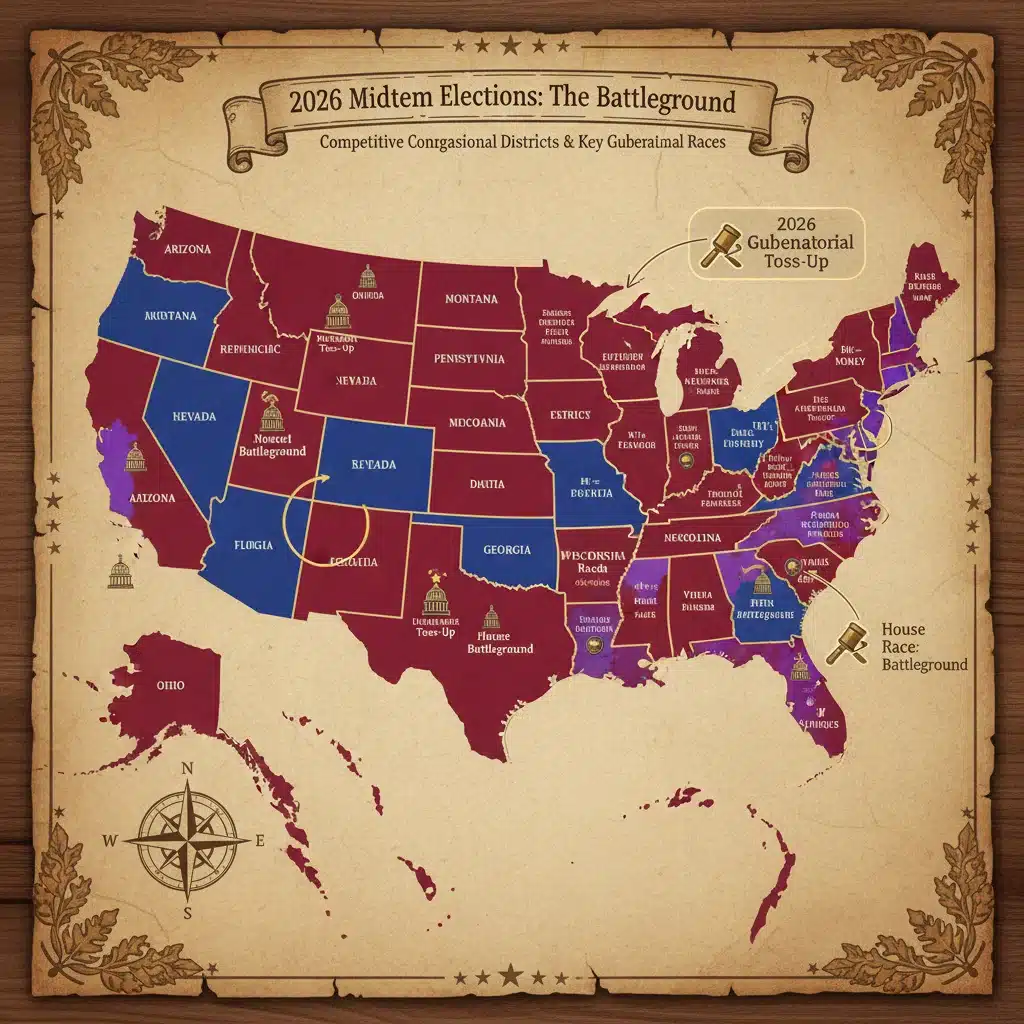
The 2026 Midterm Elections will feature a myriad of races across the country, but a select few will stand out as bellwethers for national trends and crucial determinants of congressional control. These key races typically include highly competitive Senate contests, pivotal gubernatorial elections, and a handful of swing districts in the House of Representatives. Each of these races carries unique local dynamics but also contributes to the larger national narrative.
Senate Races: The Battle for Control
The Senate is often considered the more stable of the two legislative chambers, but every two years, roughly one-third of its 100 seats are up for grabs. In the 2026 Midterm Elections, particular attention will be paid to states where incumbent senators are retiring, or where the partisan lean of the state is narrow. Open seats present the best opportunities for party flips, as there is no incumbent advantage. States like Arizona, Georgia, Pennsylvania, and Wisconsin, which have seen close contests in recent cycles, are likely to be battlegrounds once again. The fundraising capabilities of candidates, the strength of their campaign organizations, and their ability to articulate a clear vision will be critical in these high-stakes races.
Control of the Senate is paramount because it dictates the confirmation of judicial appointments, cabinet members, and ambassadors, and can significantly influence the passage or blockage of legislation. A shift in Senate control in the 2026 Midterm Elections could therefore have immediate and profound effects on the executive branch’s ability to govern and implement its agenda. The national parties will pour vast resources into these races, recognizing their outsized importance.
Gubernatorial Elections: State-Level Powerhouses
While often overshadowed by federal races, gubernatorial elections are incredibly important. Governors wield significant power over state budgets, education policy, healthcare, and election administration. In the 2026 Midterm Elections, several states will elect new governors, and these contests can have a direct impact on the lives of millions of Americans. States with large populations or those that are considered swing states will attract considerable national attention. For example, a gubernatorial race in a state like Florida, Michigan, or Texas could reshape the political landscape for years to come, influencing redistricting efforts, voter access laws, and the overall policy direction of the state.
Furthermore, governors can serve as launching pads for future presidential campaigns, making these races even more compelling. The outcomes of these state-level contests in the 2026 Midterm Elections will not only determine local policy but also contribute to the broader narrative of which party is gaining or losing momentum nationally.
House of Representatives: The District-Level Fight
All 435 seats in the House of Representatives are contested in every midterm election. While some districts are safely partisan, a significant number are considered swing districts, where the outcome can be highly unpredictable. These are the districts where the national political winds are most keenly felt. Redistricting, which occurs after each decennial census, can significantly alter the competitive landscape of House races. New maps can create more competitive districts or solidify partisan strongholds, making the fight for the House even more intense in the 2026 Midterm Elections.
The control of the House is crucial for setting the legislative agenda, initiating appropriations bills, and conducting oversight of the executive branch. A change in House control in the 2026 Midterm Elections could lead to gridlock, significant shifts in legislative priorities, or even impeachment proceedings, depending on the political climate. The focus will be on identifying which districts are most vulnerable and where both parties are investing heavily in campaigning and voter mobilization efforts.
Emerging Issues and Voter Priorities for the 2026 Midterm Elections
The issues that resonate most with voters are dynamic and can shift rapidly in response to national and global events. As we approach the 2026 Midterm Elections, several key areas are likely to dominate public discourse and influence voter decisions. These issues will form the bedrock of campaign platforms and will be critical for candidates to address effectively.
Economic Stability and Inflation
Economic concerns almost always rank high among voter priorities. Inflation, employment rates, and the cost of living are direct impacts that voters feel daily. If economic conditions are perceived as unstable or declining leading up to the 2026 Midterm Elections, the party in power will likely face significant headwinds. Candidates will need to present clear and credible plans for addressing these economic challenges, whether through fiscal policy, regulatory reform, or investment in key industries.
Healthcare Access and Affordability
Healthcare remains a perennial issue in American politics. Debates around the Affordable Care Act, prescription drug costs, and access to medical services will undoubtedly feature prominently in the 2026 Midterm Elections. Voters will be looking for solutions that promise greater access, lower costs, and improved quality of care. The differing approaches of the major parties on these issues will be a significant differentiator for candidates.
Climate Change and Environmental Policy
The urgency of climate change and environmental protection continues to grow, particularly among younger voters and in areas affected by extreme weather events. Policies related to renewable energy, carbon emissions, and conservation will be important for many voters. Candidates in the 2026 Midterm Elections will need to articulate their stance on these issues, balancing environmental concerns with economic considerations and energy security.
Social and Cultural Issues
Divisive social and cultural issues, such as abortion rights, LGBTQ+ rights, gun control, and immigration, are often powerful motivators for voter turnout. These issues can galvanize specific segments of the electorate and often involve deeply held beliefs. The political landscape surrounding these issues can change rapidly, and candidates in the 2026 Midterm Elections will need to navigate these sensitive topics carefully, understanding the potential for both strong support and intense opposition.
Foreign Policy and National Security
While often less prominent in midterm elections than domestic issues, foreign policy and national security can become decisive factors, especially in times of international crisis. Global conflicts, relations with major powers, and threats to national security can influence public opinion and shape the narrative of the 2026 Midterm Elections. Voters will assess candidates based on their perceived strength, experience, and vision for America’s role in the world.
Potential Policy Impact of the 2026 Midterm Elections
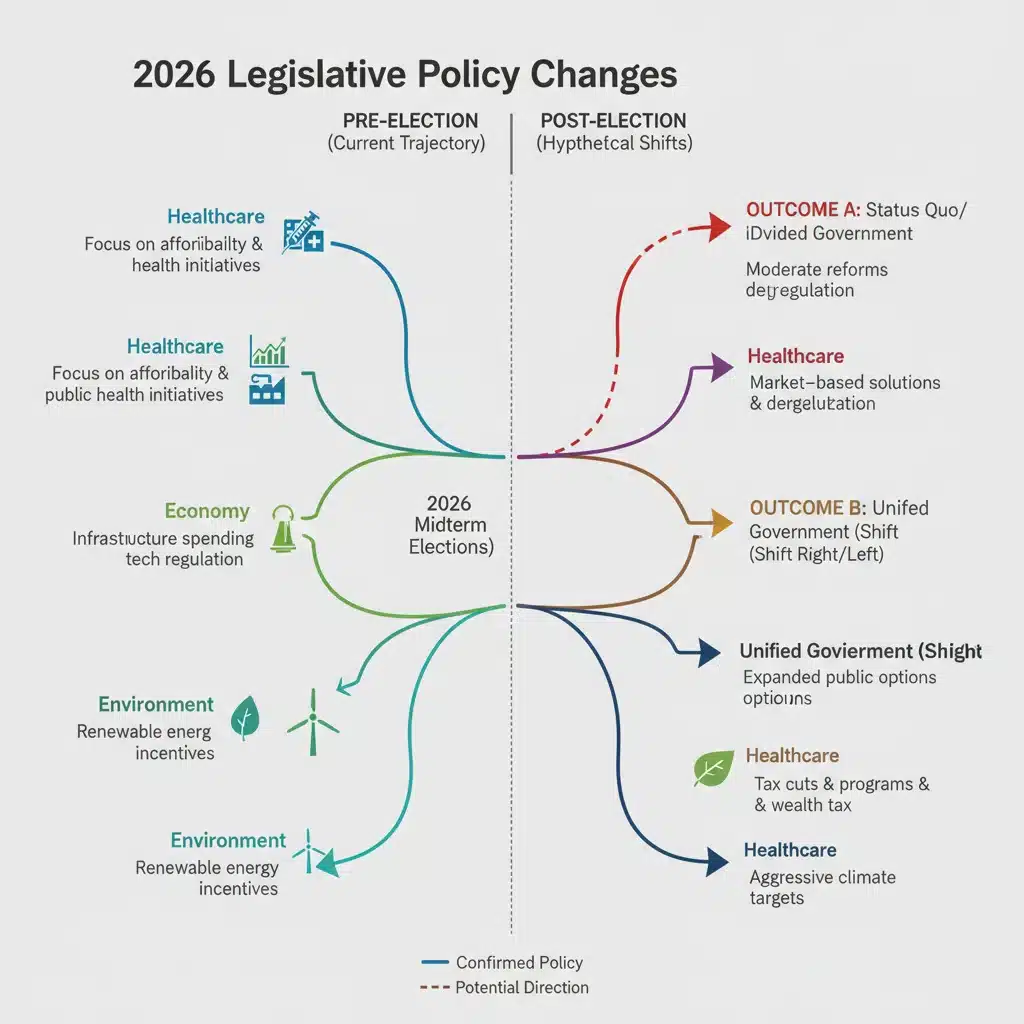
The outcomes of the 2026 Midterm Elections will have profound and far-reaching implications for national policy. The balance of power in Congress directly influences the legislative agenda, affecting everything from economic regulations to social programs. A shift in control in either chamber can lead to significant policy reversals or new legislative initiatives.
Economic Policy Shifts
If the 2026 Midterm Elections result in a change of control in Congress, we could see significant shifts in economic policy. A Republican-controlled Congress might push for tax cuts, deregulation, and reduced government spending, potentially leading to different approaches to inflation and economic growth. Conversely, a Democratic-controlled Congress might prioritize investments in infrastructure, social programs, and progressive tax reforms. These changes would impact businesses, workers, and consumers across the country, influencing everything from job creation to interest rates.
Healthcare Legislation
Healthcare policy is another area ripe for change after the 2026 Midterm Elections. Depending on which party gains power, there could be renewed efforts to repeal and replace the Affordable Care Act, or alternatively, to expand its provisions and strengthen government-backed healthcare options. Debates over Medicare, Medicaid, and prescription drug pricing will intensify, potentially leading to new legislation that could alter access to care and healthcare costs for millions of Americans.
Environmental and Energy Policy
The approach to climate change and energy policy is a stark dividing line between the major parties. The 2026 Midterm Elections could determine the future of environmental regulations, investments in renewable energy, and policies related to fossil fuels. A change in congressional control could either accelerate or impede efforts to transition to a cleaner energy economy, impacting industries, job markets, and international climate commitments. State-level gubernatorial outcomes will also play a crucial role in implementing or resisting federal environmental mandates.
Social and Justice Reforms
Issues related to social justice, civil rights, and criminal justice reform are also highly susceptible to the outcomes of the 2026 Midterm Elections. Depending on the partisan makeup of Congress and state legislatures, there could be new pushes for gun control legislation, reforms to the immigration system, or changes to abortion access. These policy shifts would have direct and often immediate impacts on the lives and rights of citizens, reflecting the evolving social values and priorities of the electorate.
The Role of Grassroots Movements and Voter Engagement
Beyond the high-profile campaigns and national debates, grassroots movements and effective voter engagement strategies are critical for shaping the outcomes of the 2026 Midterm Elections. These efforts, often operating below the radar of national media, are instrumental in mobilizing voters, raising awareness about local issues, and building momentum for specific candidates or causes.
Community Organizing and Activism
Community organizers play a vital role in identifying and addressing the specific needs and concerns of local populations. By building trust and fostering dialogue, they can effectively register voters, educate them on key issues, and encourage participation in the electoral process. In the lead-up to the 2026 Midterm Elections, expect to see intensified efforts by various advocacy groups to engage communities on issues ranging from local infrastructure to national policy debates. These localized efforts can collectively swing close races and influence the broader political narrative.
Digital Campaigns and Social Media
The digital landscape has become an indispensable battleground in modern elections. Social media platforms, online advertising, and targeted digital campaigns allow candidates and parties to reach voters directly, disseminate information, and counter misinformation. The effectiveness of digital strategies in the 2026 Midterm Elections will depend on their ability to create authentic connections, inspire engagement, and convert online interest into real-world votes. Data analytics will be crucial for tailoring messages to specific demographics and maximizing outreach efforts.
Youth Engagement and Future Voters
Younger generations are increasingly active and influential in political discourse. Their priorities often revolve around climate change, social justice, and economic equity. Campaigns that successfully engage young voters through relevant messaging and accessible platforms will likely see a boost in turnout. The 2026 Midterm Elections will be a significant test of how well both parties can connect with and mobilize this crucial demographic, whose participation can have long-term implications for the future direction of American politics.
The Power of Local Media
While national media often dominates headlines, local newspapers, radio, and television stations continue to be trusted sources of information for many voters. Local media outlets provide in-depth coverage of regional races and issues that directly affect communities. Candidates in the 2026 Midterm Elections will heavily rely on local media to communicate their messages, participate in debates, and establish their credibility within their constituencies. The nuanced reporting of local journalists can often cut through the noise of national politics and provide voters with the specific information they need to make informed decisions.
The Role of Money in the 2026 Midterm Elections
Money is an undeniable force in American politics, and the 2026 Midterm Elections will be no exception. The cost of running a competitive campaign, particularly for federal office, continues to escalate, making fundraising a critical component of any electoral strategy. Campaign finance laws, the influence of Super PACs, and individual donations all play a significant role in shaping the electoral landscape.
Campaign Funding and Expenditure
Candidates for the 2026 Midterm Elections will spend vast sums on advertising, staffing, travel, and voter outreach. The ability to raise substantial funds can provide a significant advantage, allowing campaigns to reach more voters and deploy more sophisticated strategies. However, simply having more money does not guarantee victory; effective resource allocation and compelling messaging are equally important. Transparency in campaign finance, while often debated, is crucial for public trust and accountability.
Special Interest Groups and Lobbying
Beyond direct campaign contributions, special interest groups exert considerable influence through lobbying efforts and issue advocacy campaigns. These groups represent a wide array of industries, causes, and ideologies, and they work to shape public opinion and legislative outcomes. In the lead-up to the 2026 Midterm Elections, expect to see significant spending by these groups on advertising and grassroots mobilization, aiming to elect candidates who align with their policy preferences. The impact of these external expenditures can be particularly strong in close races.
The Debate Over Campaign Finance Reform
The role of money in politics often sparks debates about campaign finance reform. Critics argue that large donations and unlimited spending by Super PACs give disproportionate influence to wealthy individuals and corporations, potentially undermining democratic principles. Proponents of current laws emphasize free speech rights and the ability of groups to advocate for their beliefs. These debates will continue to be relevant in the context of the 2026 Midterm Elections, as the financial stakes continue to rise and the public grapples with questions of fairness and representation.
Conclusion: The Enduring Significance of the 2026 Midterm Elections
The 2026 Midterm Elections are far more than just a midway point in a presidential term; they are a pivotal moment that will redefine the political landscape of the United States. The outcomes of these elections will determine the balance of power in Congress, influence state-level governance, and shape the national policy agenda for years to come. From economic stability to social justice, the decisions made by voters in 2026 will have a tangible impact on the lives of every American.
By understanding the historical trends, identifying key races, recognizing emerging voter priorities, and appreciating the financial and grassroots efforts involved, we can gain a clearer picture of what to expect. The interplay of national issues, local dynamics, and the effectiveness of campaign strategies will ultimately dictate the composition of the next Congress and the direction of national policy. As the election cycle draws closer, staying informed and engaged will be essential for all citizens seeking to understand and influence the future of their country.
The 2026 Midterm Elections will serve as a critical barometer of the nation’s mood and a powerful mechanism for accountability. Whether they result in a continuation of current policies or a dramatic shift in direction, their significance cannot be overstated. The road to 2026 will be filled with intense campaigning, passionate debates, and the ever-present drama of American democracy, all culminating in an election that will undoubtedly leave an indelible mark on the nation’s trajectory.
Author