2026 Inflation Outlook: Protect Purchasing Power with a 4% Target Rate
Anúncios
The 2026 Inflation Outlook: Strategies to Protect Your Purchasing Power with a 4% Target Rate
Anúncios
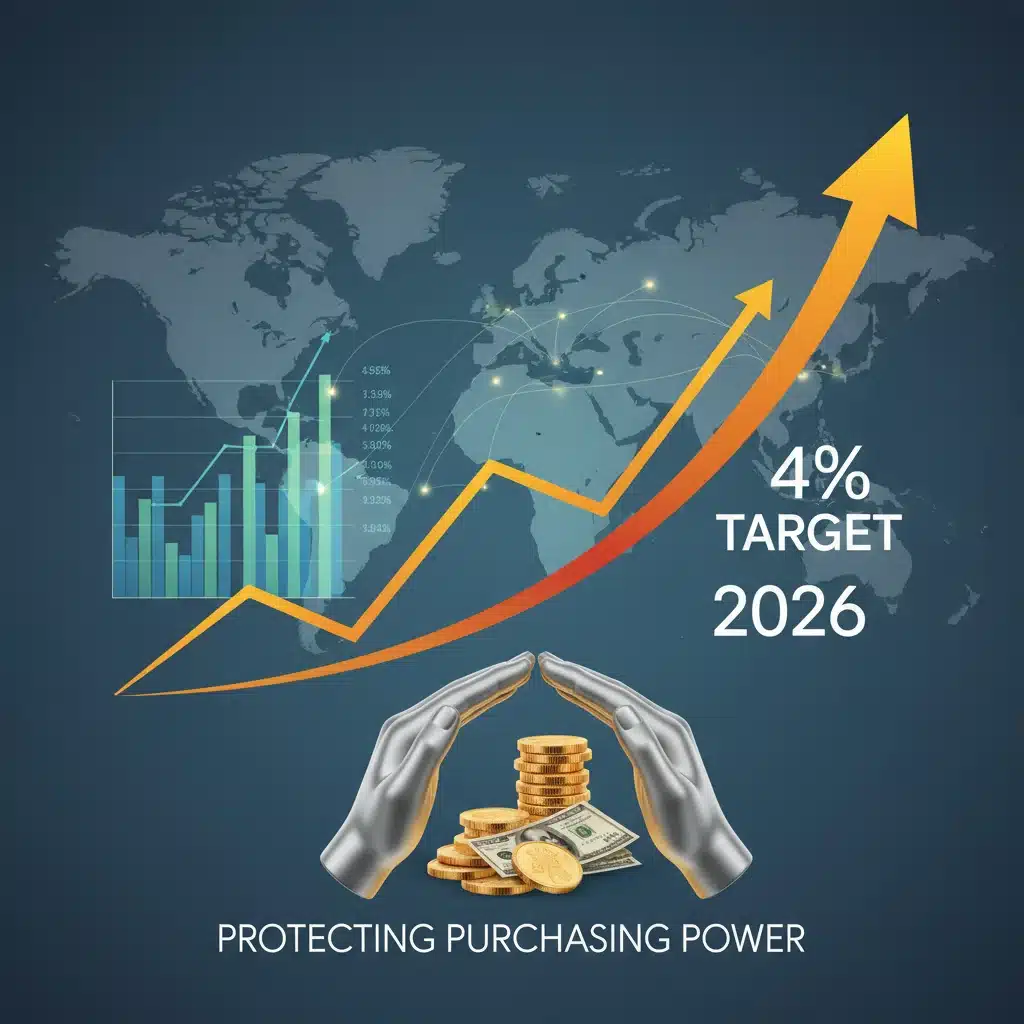
As we navigate the complexities of the global economy, understanding future economic trends is paramount for prudent financial planning. One of the most critical factors influencing personal and national wealth is inflation. The 2026 inflation outlook suggests a potential target rate of 4%, a figure that demands attention and strategic preparation. This comprehensive guide delves into what a 4% inflation rate could mean for your finances and outlines robust strategies to protect your purchasing power.
Understanding the 2026 Inflation Outlook
The concept of inflation, often simplified as a general rise in prices and a fall in the purchasing value of money, is far more nuanced. Various economic forces contribute to inflationary pressures, including supply chain disruptions, increased consumer demand, fiscal policies, and monetary decisions by central banks. Forecasting inflation several years out, such as the 2026 inflation outlook, involves analyzing current economic indicators, geopolitical stability, technological advancements, and the anticipated actions of major economic players.
A 4% target rate for 2026, while higher than the historical 2% target many central banks aim for, could reflect a recalibration of economic expectations. This might be a response to prolonged periods of low growth, a strategy to manage national debt, or an acknowledgment of persistent supply-side constraints. Understanding the underlying reasons for such a target is crucial for developing effective countermeasures.
Anúncios
Key Drivers Shaping the 2026 Inflation Outlook
Several factors are likely to influence the 2026 inflation outlook and potentially push it towards a 4% rate:
- Global Supply Chain Resilience: Ongoing efforts to diversify supply chains and onshore manufacturing could initially lead to higher costs, contributing to inflation. However, in the long term, this could stabilize prices.
- Energy Transition Costs: The global shift towards renewable energy sources involves significant investment and could incur transitional costs that impact energy prices, a major component of inflation.
- Labor Market Dynamics: Persistent labor shortages in key sectors, coupled with demands for higher wages, can drive up production costs, which are often passed on to consumers.
- Fiscal and Monetary Policies: Government spending programs and central bank interest rate decisions will play a pivotal role. Sustained fiscal stimulus and accommodative monetary policies could fuel inflationary pressures.
- Geopolitical Events: International conflicts, trade disputes, and political instability can disrupt markets, restrict resource availability, and significantly impact global prices.
Analyzing these drivers helps us appreciate the complexity of the 2026 inflation outlook and the potential for a 4% target rate. It’s not merely a number but a reflection of a dynamic global economic environment.
The Impact of a 4% Inflation Rate on Your Finances
A 4% inflation rate, while not hyperinflation, is significant enough to erode purchasing power over time if not addressed. It means that an item costing $100 today would cost approximately $104 a year later, assuming a consistent inflation rate. Over several years, this cumulative effect can substantially diminish the real value of savings and income.
Erosion of Savings and Investments
Cash held in traditional savings accounts with low-interest rates will be most vulnerable. If your savings account yields 1% interest, a 4% inflation rate means a net loss of 3% in purchasing power annually. Similarly, fixed-income investments like bonds, especially those with long maturities and fixed coupon rates, could see their real returns diminish considerably. The 2026 inflation outlook demands a re-evaluation of your asset allocation.
Impact on Daily Expenses
The most immediate and noticeable effect of inflation is on everyday costs. Groceries, fuel, utilities, housing, and transportation costs are likely to increase. For households operating on tight budgets, a 4% inflation rate can significantly strain finances, requiring adjustments to spending habits and potentially impacting quality of life. Understanding the 2026 inflation outlook helps in budgeting proactively.
Debt and Loans
Inflation has a dual effect on debt. For borrowers with fixed-rate loans (like a 30-year fixed mortgage), inflation can be beneficial as the real value of their debt decreases over time. However, for those with variable-rate loans, interest rates may rise in response to inflation, increasing monthly payments. The 2026 inflation outlook might see central banks raising rates to combat inflation, impacting new borrowing costs.
Strategies to Protect Your Purchasing Power
Given the potential for a 4% inflation rate in the 2026 inflation outlook, proactive strategies are essential. Protecting your purchasing power involves a multi-faceted approach, encompassing investment diversification, income generation, and careful financial planning.
1. Diversify Your Investment Portfolio
Diversification is key to mitigating risk and enhancing returns, especially in an inflationary environment. Consider assets that historically perform well during periods of rising prices.
Real Estate
Real estate is often considered a hedge against inflation. Property values and rental income tend to rise with inflation, providing a tangible asset that appreciates in nominal terms. Investing in real estate, whether directly or through Real Estate Investment Trusts (REITs), can be an effective strategy. The 2026 inflation outlook could make real estate an attractive option.
Inflation-Protected Securities
Treasury Inflation-Protected Securities (TIPS) are government bonds whose principal value adjusts with inflation, as measured by the Consumer Price Index (CPI). This ensures that your investment keeps pace with rising prices, making them an excellent choice for protecting purchasing power. They are designed specifically for scenarios like the 2026 inflation outlook.
Commodities
Raw materials like gold, silver, oil, and agricultural products often see their prices increase during inflationary periods. Investing in commodities, either directly or through commodity-focused ETFs, can offer a hedge. Gold, in particular, has a long history as a store of value during economic uncertainty and inflation.
Equities (Stocks)
While not all stocks perform equally well, companies with strong pricing power, low debt, and essential products or services can thrive in an inflationary environment. These companies can pass on increased costs to consumers without significantly impacting demand. Focus on sectors like consumer staples, utilities, and healthcare. 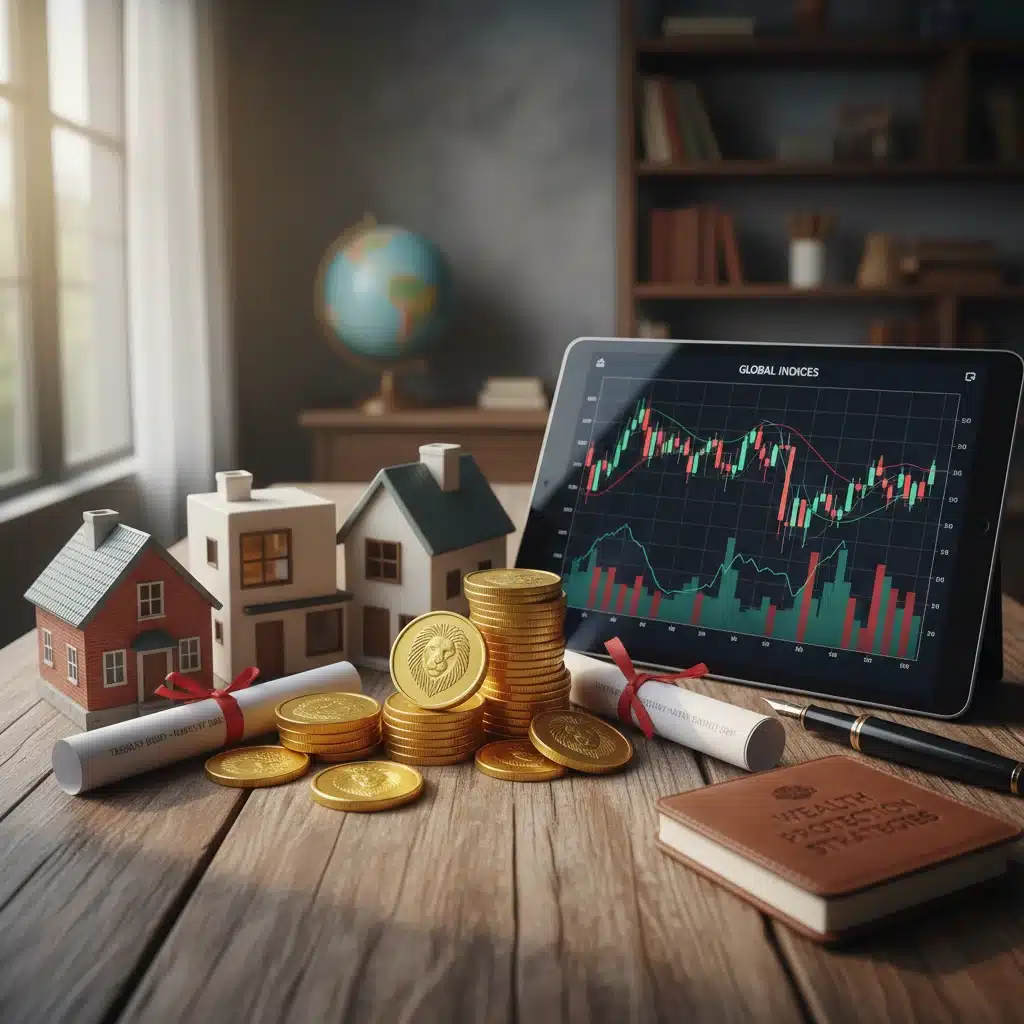
2. Optimize Your Income and Cash Flow
Protecting purchasing power isn’t just about investments; it’s also about ensuring your income keeps pace with inflation.
Negotiate Salary Increases
Regularly review your salary and benefits to ensure they reflect your value and account for inflationary pressures. Being proactive in salary negotiations can help maintain your real income. The 2026 inflation outlook should be a talking point in your annual reviews.
Develop Additional Income Streams
Consider side hustles, freelance work, or investing in income-generating assets to create multiple income streams. This diversification of income can provide a buffer against rising costs and enhance your overall financial resilience.
Manage Debt Wisely
Prioritize paying off high-interest, variable-rate debt. Fixed-rate debt, especially mortgages, can become less burdensome in real terms during inflation. However, excessive debt can limit your financial flexibility when costs are rising. Understanding the 2026 inflation outlook can help you make informed debt management decisions.
3. Smart Spending and Budgeting
Effective budgeting becomes even more crucial when inflation is a concern. Review your expenses regularly and identify areas where you can cut back or optimize spending.
Create a Detailed Budget
Track your income and expenses meticulously. Understand where your money is going and identify non-essential spending that can be reduced. A well-structured budget is your first line of defense against the erosion of purchasing power.
Bulk Buying and Strategic Shopping
For non-perishable goods, consider bulk buying when prices are favorable. Utilize sales, coupons, and loyalty programs to maximize savings. Strategic shopping can significantly offset rising costs due to the 2026 inflation outlook.
Reduce Energy Consumption
Energy costs are often a significant component of household expenses and are particularly susceptible to inflation. Invest in energy-efficient appliances, insulate your home, and adopt energy-saving habits to reduce your utility bills.
4. Long-Term Financial Planning
The 2026 inflation outlook emphasizes the need for robust long-term financial planning, adapting your strategies to potential economic shifts.
Review Your Retirement Accounts
Ensure your retirement portfolio is diversified and includes assets that can withstand inflation. Consider increasing your contributions to leverage tax-advantaged growth and compound returns, helping your savings outpace inflation. Adjusting your asset allocation based on the 2026 inflation outlook is prudent.
Consider Professional Financial Advice
A financial advisor can provide personalized strategies tailored to your specific situation and risk tolerance. They can help you navigate the complexities of an inflationary environment and optimize your portfolio for long-term growth and purchasing power protection.
Education and Skill Development
Investing in your education and skills can lead to higher earning potential, which is a powerful tool against inflation. In a dynamic economy, a valuable skillset can provide job security and opportunities for income growth, helping you keep pace with rising costs.
The Role of Central Banks and Government Policies
The 2026 inflation outlook, particularly a 4% target, will be heavily influenced by the actions of central banks and government fiscal policies. Central banks typically use interest rates as a primary tool to control inflation. Raising interest rates makes borrowing more expensive, which can cool down economic activity and reduce inflationary pressures. Conversely, lowering rates stimulates the economy but can also fuel inflation.
Government fiscal policies, such as taxation and spending, also play a crucial role. Large government spending programs, especially if financed by increasing the money supply, can be inflationary. Understanding these dynamics is essential for anticipating how the 2026 inflation outlook might evolve and for adjusting your personal financial strategies accordingly.
Potential Scenarios and Their Implications
The 4% target for the 2026 inflation outlook is a projection, and actual outcomes can vary. Here are a few scenarios:
- Inflation Exceeds 4%: If inflationary pressures are stronger than anticipated, central banks might need to implement more aggressive tightening measures, potentially leading to slower economic growth or even a recession. In this scenario, assets like commodities and inflation-protected securities become even more critical.
- Inflation Falls Below 4%: If supply chain issues resolve faster or demand cools more significantly, inflation could ease. This might lead to central banks pausing or reversing rate hikes, which could be favorable for growth stocks and fixed-income investments.
- Stagflation (High Inflation + Low Growth): This is a challenging scenario where high inflation coexists with stagnant economic growth and high unemployment. Historically, assets like gold and certain commodities have performed relatively well during stagflation.
Being prepared for various scenarios under the 2026 inflation outlook is a hallmark of resilient financial planning.
Conclusion: Navigating the 2026 Inflation Outlook with Confidence
The 2026 inflation outlook, with a potential 4% target rate, presents both challenges and opportunities. While rising prices can erode purchasing power, a proactive and well-informed approach can help you safeguard your financial well-being. By diversifying your investments, optimizing your income, practicing smart budgeting, and engaging in long-term financial planning, you can navigate the inflationary environment with confidence.
Remember that economic forecasts are subject to change, and staying informed about global economic developments and policy shifts is crucial. Regularly review your financial strategies and be prepared to adapt them as new information emerges. Protecting your purchasing power in the face of the 2026 inflation outlook is not just about reacting to economic changes but about strategically positioning yourself for future prosperity.
Take the time now to assess your current financial situation, understand your risk tolerance, and implement the strategies outlined in this guide. Your financial resilience in 2026 and beyond will depend on the decisions you make today.
Author